.png)
How to Choose Natural Treatments for Redness

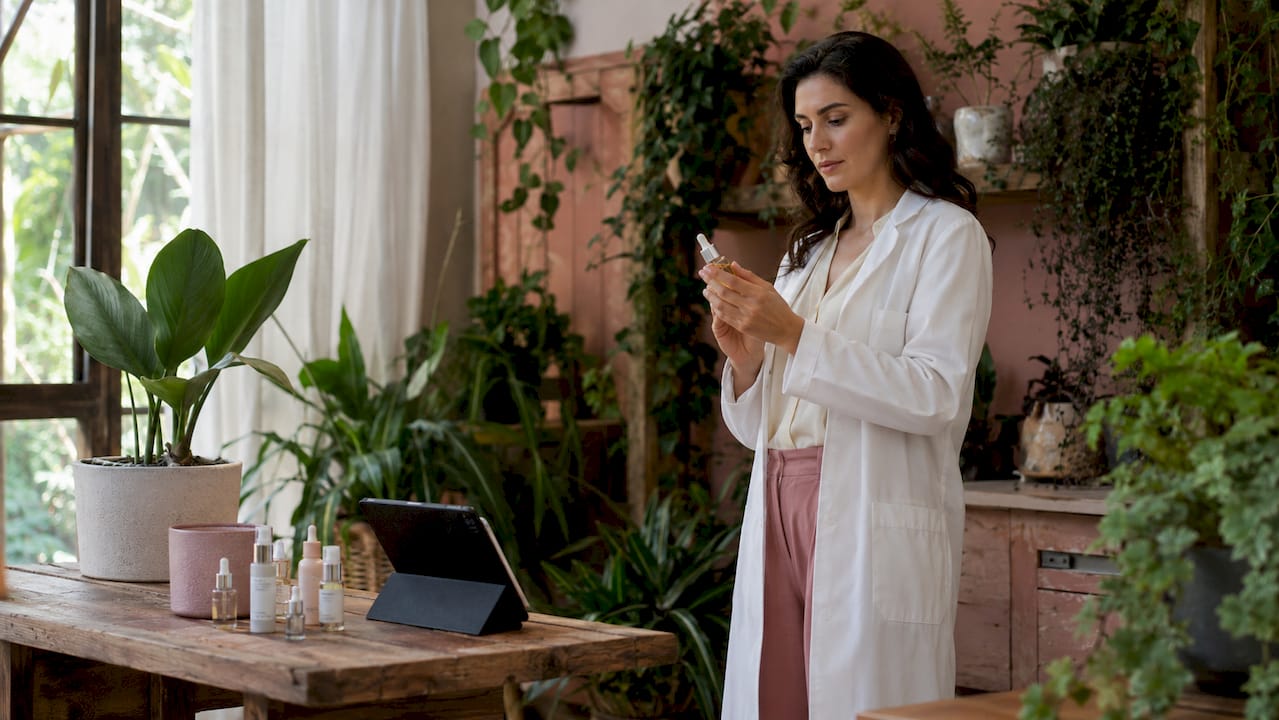
Natural treatments for redness are defined as topical and lifestyle-based approaches that use botanicals, barrier-supportive ingredients, and gentle therapies to calm skin inflammation without pharmaceutical intervention. Clinically studied ingredients like green tea, chamomile, centella asiatica, and panthenol form the backbone of this approach. When you choose natural treatments for redness, the goal is not just to mask the flush. You are actively working to repair the skin barrier, reduce inflammatory triggers, and build lasting resilience. The right combination depends entirely on your skin type, your redness triggers, and how you layer your routine.
Which natural ingredients work best for different types of skin redness?
Herbs and botanicals work best when matched to the specific type of redness you experience. Treating them as potent active ingredients rather than decorative additives is what separates a routine that works from one that disappoints.
Flushed or rosacea-prone skin responds well to ingredients that target vascular reactivity and inflammation. Green tea’s catechins, specifically EGCG, quiet redness from UV and pollution exposure. Centella asiatica calms the nervous system response in the skin and supports collagen without triggering heat. Niacinamide at 4–5% reduces visible redness by strengthening capillary walls over time.
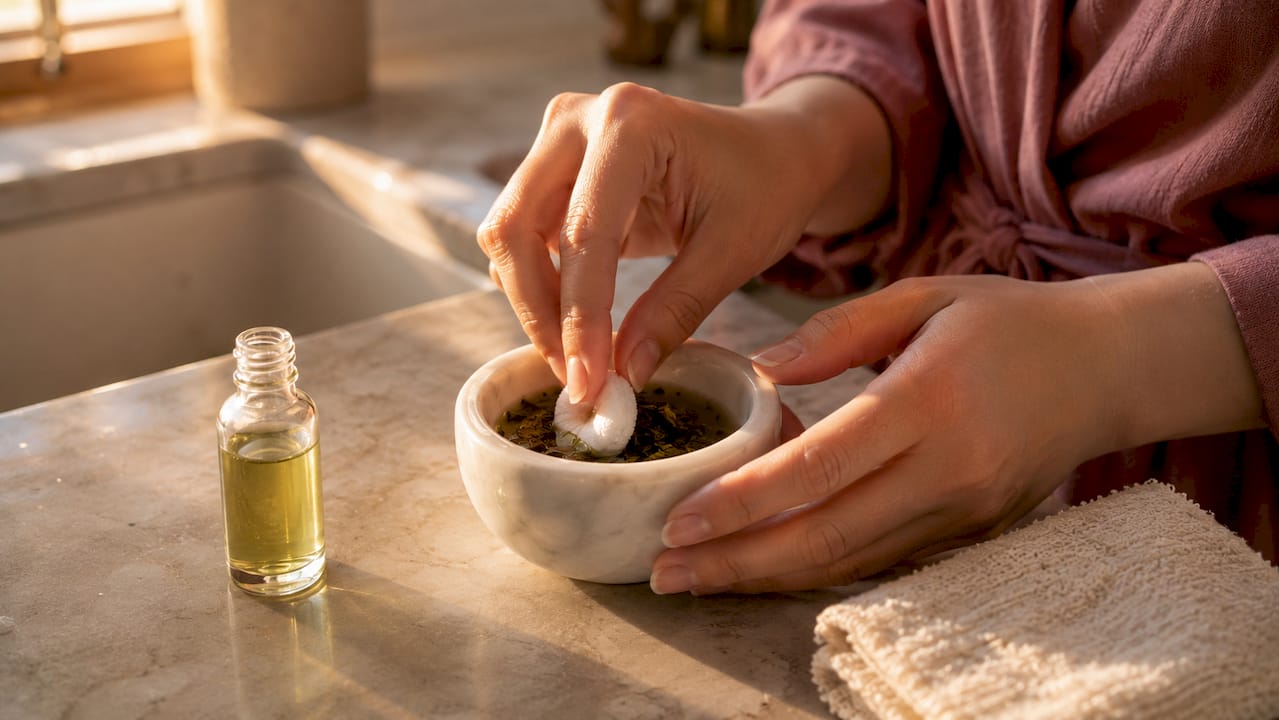
Dry or flaky redness needs hydration and barrier repair first. Colloidal oatmeal is effective for soothing dry, rough, itchy redness and is well tolerated across all skin types. Calendula oil provides anti-inflammatory fatty acids that calm irritation without clogging pores. Panthenol, the stable form of vitamin B5, draws moisture into the skin and reduces surface inflammation simultaneously.
Oily or acne-prone redness benefits from lighter botanicals that calm without feeding breakouts. Green tea extract and centella both work here. Aloe vera gel delivers anti-inflammatory polysaccharides in a water-based format that suits oily skin perfectly.
Rosacea or flushed skin: centella asiatica, green tea (EGCG), niacinamide
Dry or irritated skin: colloidal oatmeal, calendula, panthenol
Oily or acne-prone skin: aloe vera, green tea extract, centella
Sensitive or reactive skin: chamomile, oat extract, fragrance-free ceramide formulas
Pro Tip: Introduce one new botanical at a time and wait at least two weeks before adding another. This tells you exactly what is working and prevents your skin from reacting to ingredient overload.
How to build a gentle skincare routine to reduce redness naturally
A gentle, consistent routine does more for redness than any single hero ingredient. The foundation is always the same: a pH-balanced cleanser, a barrier-supportive moisturizer, and daily sun protection.
Step 1: Cleanse at the right pH. Dermatological guidelines recommend pH 4.0–5.0 cleansers as the foundation for redness control. This range preserves the acid mantle, the skin’s natural protective film. A cleanser that is too alkaline strips this layer and leaves skin reactive and red within hours.
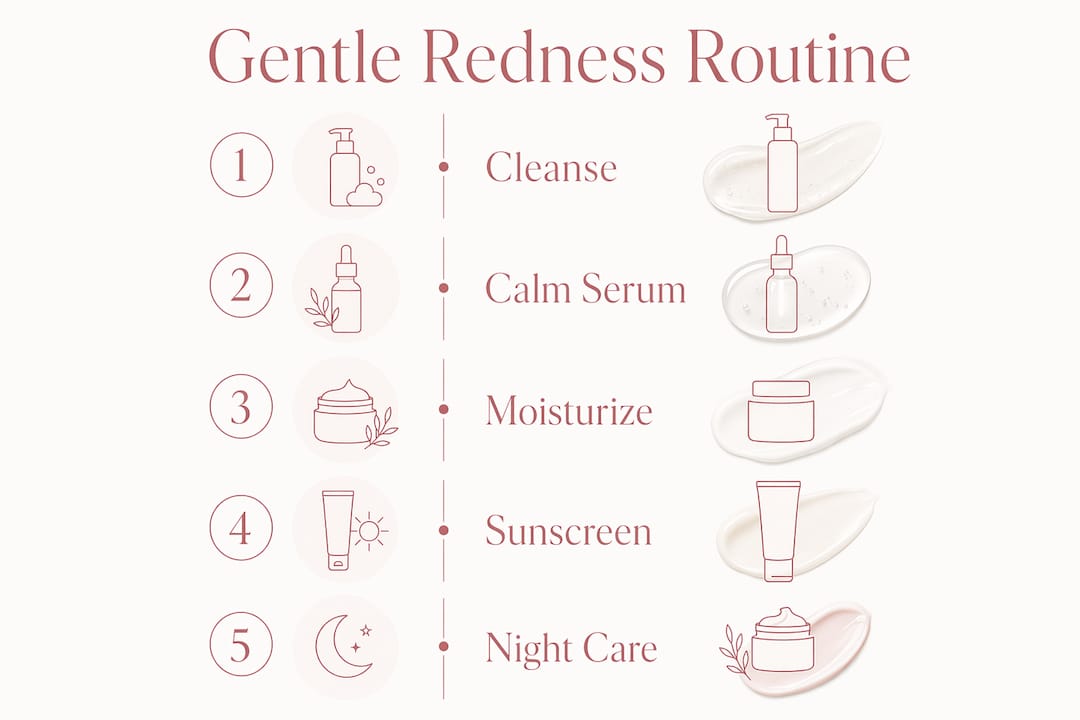
Step 2: Apply a calming serum. Layer a serum containing aloe vera, chamomile, or green tea extract directly after cleansing on damp skin. These botanicals absorb quickly and deliver anti-inflammatory compounds before your moisturizer seals them in. Keep the formula simple. Fewer ingredients mean fewer chances for irritation.
Step 3: Moisturize with ceramide-rich products. Ceramide moisturizers rebuild the lipid barrier that keeps irritants out and moisture in. Layering gentle botanicals with supportive skincare builds sustained improvement in redness even without prescription treatments. Look for formulas that combine ceramides with panthenol or niacinamide for a dual calming and repair effect.
Step 4: Apply mineral sunscreen every morning. Broad-spectrum mineral sunscreen with SPF 30+ protects against UV-triggered flushing and inflammation daily. Zinc oxide is the preferred active ingredient for reactive skin because it sits on top of the skin rather than absorbing into it. Skipping this step undoes everything else in your routine.
Step 5: Simplify at night. Your evening routine needs only a gentle cleanser, a calming serum, and a richer ceramide moisturizer. Avoid retinoids, exfoliating acids, and fragrance when redness is active.
Pro Tip: Patch test every new product on your inner arm for 48 hours before applying it to your face. Reactive skin can respond to even gentle botanicals, and your arm will tell you before your face pays the price.
What home remedies effectively soothe facial redness?
Home remedies for facial redness work best when they target the underlying mechanism, whether that is inflammation, dehydration, or vascular reactivity. The most effective options are simple, low-risk, and backed by real skin science.
Green tea compress: Brew a strong cup of green tea, let it cool completely, and press a soaked cloth against red areas for 10 minutes. EGCG reduces UV-related inflammation and calms reactive capillaries. Use this two to three times per week.
Chamomile tea soak: Chamomile contains bisabolol and apigenin, two compounds with clinically recognized anti-inflammatory effects. Apply a cooled chamomile tea compress for 10–15 minutes to reduce surface redness and sensitivity.
Raw honey mask: Medical-grade manuka honey has antimicrobial and anti-inflammatory properties. Apply a thin layer to clean skin, leave for 15 minutes, and rinse with cool water. This works particularly well for redness linked to acne or minor skin infections.
Colloidal oatmeal mask: Mix colloidal oatmeal with water to form a paste and apply for 10 minutes. This is one of the most well-tolerated home remedies for dry, inflamed redness.
Cold water rinse: Splashing cold water on your face after cleansing constricts surface capillaries immediately. This is not a long-term fix, but it reduces visible flushing within minutes.
Remedy | Primary benefit | Best for |
Green tea compress | Antioxidant, anti-inflammatory | UV-triggered or oily redness |
Chamomile tea soak | Calms surface sensitivity | Reactive or rosacea-prone skin |
Raw honey mask | Antimicrobial, soothing | Acne-related redness |
Colloidal oatmeal mask | Hydration and barrier support | Dry, flaky, irritated redness |
What role do non-invasive treatments play in managing redness?
Non-invasive redness reduction treatments extend well beyond topical products. Device-based therapies offer a clinically measurable layer of improvement that botanicals alone cannot always achieve, especially for vascular redness.
IPL therapy is the most studied device option for facial redness. Narrow-spectrum IPL delivered 93.7% clinical improvement in reducing facial redness in study participants. That result comes from IPL’s ability to target oxyhemoglobin in dilated capillaries, collapsing them without damaging surrounding tissue. For persistent rosacea or diffuse vascular redness, this is the most effective non-invasive option available. You can learn more about post-treatment redness and what to expect after professional sessions.
Red light therapy works differently. It stimulates mitochondrial ATP production, reinforcing the skin barrier over time by downregulating inflammatory cytokines. This makes it a drug-free method to improve microcirculation and reduce chronic redness. Results build over repeated sessions rather than appearing immediately. Fundamentalskin offers full-body red light therapy as a complement to topical care for clients managing ongoing inflammation.
Treatment | Mechanism | Best for | Downtime |
IPL therapy | Targets oxyhemoglobin in capillaries | Vascular redness, rosacea | Minimal |
Red light therapy | Photobiomodulation, barrier repair | Chronic inflammation, sensitivity | None |
Botanical topicals | Anti-inflammatory, barrier support | All redness types | None |
Choose IPL for visible broken capillaries or persistent diffuse redness
Choose red light therapy for ongoing inflammation and barrier weakness
Use botanical topicals daily as the foundation for any redness management plan
Consult a qualified Dermal Clinician before combining device therapies with active topicals
Understanding how non-invasive treats redness explained through both light-based and botanical approaches gives you a clearer picture of what each tool actually does. The most effective plans combine daily topical care with periodic professional treatments.
Key takeaways
Choosing natural treatments for redness works best when you match each ingredient and therapy to your specific skin type, redness trigger, and barrier condition.
Point | Details |
Match ingredients to redness type | Use centella and green tea for oily skin; oatmeal and calendula for dry, flaky redness. |
Prioritize pH-balanced cleansing | Cleansers at pH 4.0–5.0 protect the acid mantle and prevent barrier-driven flare-ups. |
Use mineral SPF 30+ daily | Sun exposure triggers flushing; zinc oxide sunscreen is the most tolerated option for reactive skin. |
Introduce botanicals one at a time | Adding multiple new ingredients at once makes it impossible to identify what is helping or hurting. |
Consider device therapies for persistent redness | IPL achieved 93.7% clinical improvement in vascular redness; red light therapy builds barrier resilience over time. |
What I have learned after 15 years of treating redness
The most common mistake I see is the belief that “natural” automatically means “gentle.” It does not. Essential oils and concentrated extracts can trigger reactive red skin despite being entirely plant-derived. I have seen clients come in with worsened redness after using lavender oil, rose hip seed oil, or high-concentration herbal tinctures, all of which are marketed as soothing. The irritant potential of a botanical is real, and reactive skin does not care whether the trigger is synthetic or natural.
What actually works is simplicity. A three-step routine done consistently beats a ten-product regimen done sporadically. When I work with clients at Fundamentalskin, I always start by stripping the routine back. We identify the one or two botanicals that match their redness type, build a barrier-first foundation, and add complexity only when the skin is stable and calm.
Patience is the part nobody wants to hear. Botanical treatments do not deliver overnight results. Green tea, centella, and chamomile work by modulating inflammatory pathways over weeks, not days. Clients who commit to a simple, consistent routine for 8–12 weeks see real change. Those who switch products every two weeks never give anything enough time to work.
The other thing I want you to know is that topical care has a ceiling. For vascular redness, broken capillaries, and moderate rosacea, device therapies like IPL and red light therapy do what no cream can. They are not a replacement for good daily habits. They are what you add when your skin needs a deeper reset. Combining both approaches, with professional guidance, is where the most lasting results come from.
— chevonne
How Fundamentalskin supports your redness relief journey
If your redness has not responded to home care, a professional treatment may be the missing piece. Fundamentalskin’s clinical treatments are designed specifically for women dealing with persistent redness, sensitivity, and uneven skin tone.

The Larimedical Biomimetic Peel uses gentle, biomimetic actives to calm inflammation and support barrier repair without downtime. For deeper results, the Biomimetic Peel combined with LED Therapy pairs chemical renewal with light-based inflammation reduction in a single session. Sensitive skin that needs a lighter touch responds well to the Synergie Peel, which focuses on gentle renewal and redness reduction. Chevonne personally tailors every treatment to your skin, so you leave with a plan that fits your life, not just your appointment.
FAQ
What are the best natural ingredients for skin redness?
Green tea (EGCG), centella asiatica, colloidal oatmeal, chamomile, and panthenol are the most clinically supported natural ingredients for reducing skin redness. Match the ingredient to your redness type for the best results.
Can home remedies actually reduce facial redness?
Yes. Green tea compresses, chamomile soaks, and colloidal oatmeal masks deliver measurable anti-inflammatory effects when used consistently. They work best as part of a daily routine rather than as one-off treatments.
How do non-invasive treatments like IPL and red light therapy help with redness?
IPL targets dilated capillaries directly and achieved 93.7% clinical improvement in facial redness in published studies. Red light therapy reduces inflammation by stimulating cellular energy production and downregulating inflammatory cytokines over repeated sessions.
Is natural skincare safe for rosacea-prone skin?
Most gentle botanicals like centella, oatmeal, and chamomile are safe for rosacea-prone skin. Essential oils, fragrance, and high-concentration herbal extracts can worsen reactive redness and should be avoided.
How long does it take to see results from natural redness treatments?
Consistent use of botanical-based skincare typically produces visible improvement within 8–12 weeks. Device-based therapies like red light therapy show cumulative results across multiple sessions.
Recommended
Comments