.png)
Best Facials for Multiple Skin Concerns: 2026 Guide
- chevonne stewart
- 7 days ago
- 13 min read

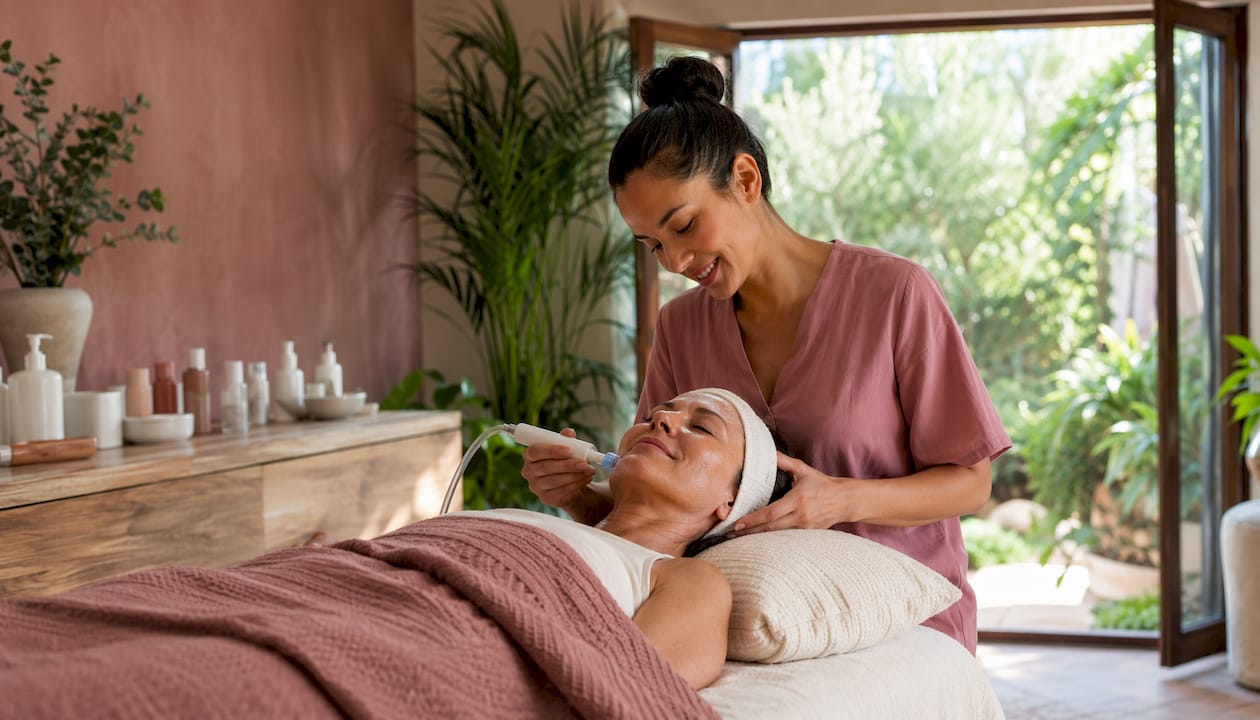
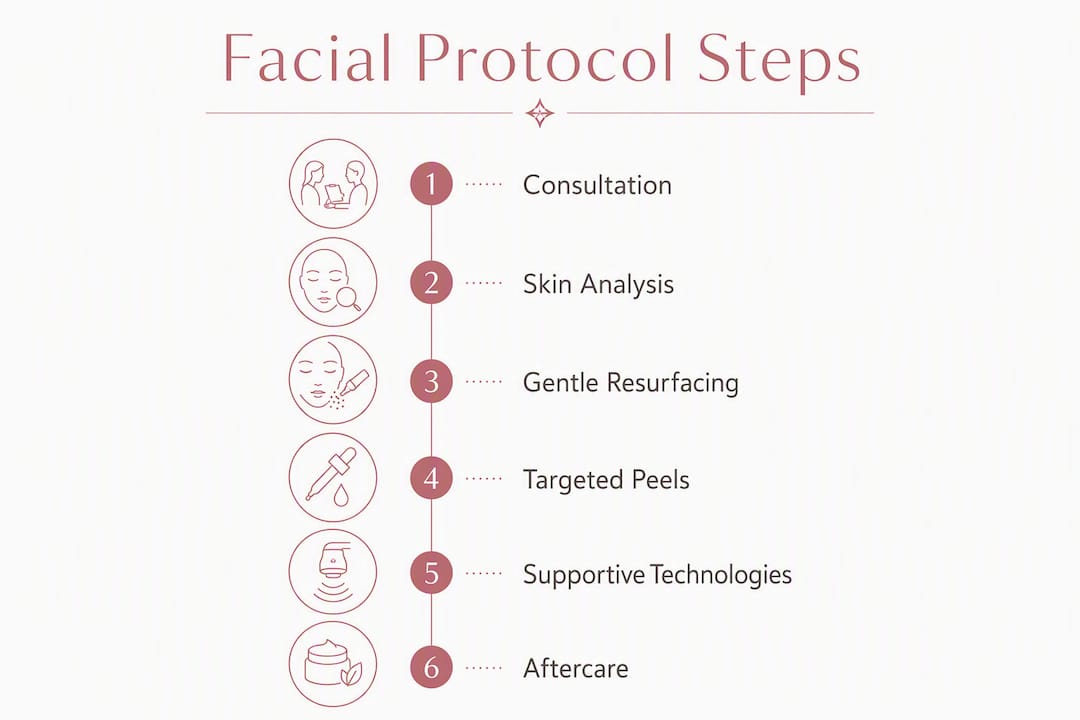
The most effective facials for treating multiple skin concerns are clinician-customized, multi-modality sessions that combine gentle resurfacing, targeted peels, and supportive technologies in a single, personalized plan. If you’re dealing with aging, pigmentation, acne, dryness, or uneven texture at the same time, a single-modality facial will rarely move the needle the way a bundled protocol can. The treatment types most commonly combined include hydradermabrasion, medical-grade chemical peels (such as biomimetic and glycolic/TCA classes), LED light therapy, microneedling, and radiofrequency. Your clearest next step is to book a personalized skin analysis so a qualified clinician can assess your barrier status, Fitzpatrick type, and active concerns before selecting the right sequence for you.
Table of Contents
What are the best facials for multiple skin concerns?
Understanding the core modalities helps you recognize what belongs in a bundled protocol and why. Each technology targets a different layer or mechanism, which is exactly why combining them works.
Hydradermabrasion / HydraFacial. Uses vacuum suction and a water-based serum infusion to cleanse, exfoliate, and hydrate simultaneously. Best for congestion, dehydration, and dull texture. Downtime: none. Typically performed by a licensed esthetician or medical aesthetician.
Chemical peels (biomimetic, glycolic, TCA). Apply controlled exfoliant acids to resurface the skin and stimulate collagen. Biomimetic peels mimic the skin’s own renewal process and carry minimal downtime; mid-strength glycolic or TCA peels may produce 2–5 days of flaking. Best for pigmentation, fine lines, and texture. A medical aesthetician or dermal clinician should perform anything above a superficial strength.
Microneedling (including RF variants). Creates micro-channels in the dermis to trigger collagen and elastin production. RF microneedling adds radiofrequency energy through the needles for added firming. Best for scarring, laxity, and texture. Expect 2–4 days of redness and mild swelling. Requires a trained medical professional.
IPL / photofacial. Delivers broad-spectrum light pulses to break down pigment and reduce redness. Best for sun damage, rosacea, and uneven tone. Downtime: 2–5 days of darkening before pigment flakes off. Performed by a licensed laser technician or dermatologist.
LED light therapy (red and blue). Red LED (620–700 nm) is anti-inflammatory and supports collagen synthesis; blue LED targets acne-causing bacteria. No downtime. Safe for almost all skin types and often used as a finishing step in bundled protocols.
Microdermabrasion / dermaplaning. Physical exfoliation methods that remove dead skin cells and, in dermaplaning’s case, vellus hair. Best for dull texture and mild congestion. Minimal downtime. Performed by a licensed esthetician.
Radiofrequency / ultrasound firming. Heats the deeper dermis to tighten lax tissue and stimulate collagen. Best for mild-to-moderate laxity and jawline definition. Minimal downtime. Performed by a medical aesthetician or clinician.
Professional extraction + oxygenation. Manual or vacuum-assisted clearing of congested pores followed by an oxygen infusion to calm and hydrate. Best for acne-prone and congested skin. No downtime.
Bundled protocols that layer these modalities in a single appointment are increasingly preferred by clinicians for multi-concern cases. The Fix-It-All style facial is one well-known example: it combines microdermabrasion, customized peels, microcurrent, and LED therapy to address texture, tone, acne scars, pigmentation, and fine lines in one session.
How to match your skin concerns to the right facial protocol
Real skin rarely presents one concern in isolation. The scenarios below reflect the combinations clinicians see most often, along with the modality priorities that tend to deliver the best outcomes.
Aging + pigmentation + uneven texture
This is the most common multi-concern profile. The priority sequence is gentle resurfacing first (hydradermabrasion or light dermaplaning), followed by a targeted peel to address pigment and stimulate collagen, then LED red light to calm and support healing. Microneedling or RF can be added in a separate session once the skin barrier is stable. Realistic expectations: noticeable brightness and texture improvement after one session, with more durable pigmentation reduction after a short course of 3–6 treatments. For deeper pigmentation, a dermal clinician or dermatologist should supervise the peel strength. You can explore pigmentation treatment options to understand when to escalate.
Acne + scarring + congestion
Start with professional extractions and oxygenation to clear active congestion, then layer blue LED to reduce bacteria, and finish with a low-strength salicylic or biomimetic peel to resurface. RF microneedling is the strongest option for atrophic (indented) scarring but should be reserved for when active breakouts are controlled. Expect gradual scar improvement over 3–6 sessions spaced 3–4 weeks apart.
Dryness + redness + early fine lines
Prioritize barrier repair above all else: hydradermabrasion with hyaluronic acid infusion, followed by red LED therapy.
Avoid steam, aggressive mechanical exfoliation, and high-strength acids until the barrier is restored.
Gentle peptide or biomimetic peels can be introduced once redness has settled.
A course of 4–6 sessions is usually needed before fine lines show visible improvement.
For sensitive or rosacea-prone skin, clinicians stress the importance of communicating your full product history before booking, so the provider can adapt every step.
When a course beats a single session
A single bundled session can produce visible improvements in brightness and hydration within 24–48 hours. But for structural changes like collagen remodeling, pigmentation clearance, or scar reduction, multiple spaced treatments are the clinical standard. One session is a great start; a short course is what delivers lasting change.
Which skin types and conditions need extra caution?
Safety is non-negotiable when you’re combining modalities. The wrong sequence on the wrong skin can trigger post-inflammatory hyperpigmentation, barrier damage, or prolonged redness.
Contraindication checklist — pause or adapt if any of these apply:
Active isotretinoin (Accutane) use or within 6 months of stopping: avoid all peels, microneedling, and aggressive resurfacing.
Pregnancy: avoid chemical peels with salicylic acid, retinol-based treatments, and most energy-based devices.
Active skin infection, open wounds, or eczema/rosacea flare: no exfoliation, no peels, no heat-based devices until resolved.
Recent laser resurfacing or sunburn: skin is too compromised for additional treatment; wait until fully healed.
History of cold sores (HSV): microneedling and aggressive peels can trigger an outbreak; antiviral prophylaxis may be needed.
Fitzpatrick skin type and pigmentation risk
Darker skin tones (Fitzpatrick IV–VI) carry a higher risk of post-inflammatory hyperpigmentation from IPL, aggressive peels, and high-energy microneedling. This does not mean these modalities are off-limits, but they require lower energy settings, test patching, and a clinician experienced with melanin-rich skin. Biomimetic peels and LED therapy are generally well-tolerated across all Fitzpatrick types.
Sensitive and reactive skin
For sensitive skin, the best facial is often defined by what it leaves out: no high-heat steam, no mechanical scrubs, no high-strength acids. Red LED, hyaluronic acid infusion, and gentle barrier-repair formulas are the foundation. Ingredients like hyaluronic acid, squalane, and cica calm the skin without provoking a stress response. You can find practical guidance on natural skincare for sensitive skin to support your at-home routine alongside professional treatments.
Pro Tip: Before any peel or energy-based treatment, ask your clinician to perform a patch test on a small area of skin 24–48 hours before your full session. Use these exact words at booking: “I’d like a patch test before we proceed — can you apply the peel formula to a small area on my inner arm or behind my ear at my consult?”
What results can you realistically expect, and when?
Setting honest expectations is part of good clinical care. The timeline below reflects what most people experience with a well-designed protocol.
Concern | Modality | Sessions needed | Visible improvement | Downtime |
Dullness / dehydration | Hydradermabrasion | 1–3 | 24–48 hours | None |
Mild pigmentation | Biomimetic peel + LED | 3–6 | 4–6 weeks | Minimal (1–2 days) |
Active acne / congestion | Extraction + blue LED + peel | 4–6 | 3–6 weeks | None to minimal |
Fine lines / early laxity | RF microneedling or RF firming | 3–6 | 6 weeks | 2–4 days |
Acne scarring | RF microneedling | 4–6 | 8 weeks | 2–7 days |
Sun damage / uneven tone | IPL + peel | 3–5 | 4–8 weeks | 2–5 days |
Texture + tone (combined) | Bundled multi-modality | 3–6 | 3–6 weeks | Varies by intensity |
Minor concerns often need 3–6 sessions spaced 4–8 weeks apart; deeper scarring or laxity may require combination therapy and longer timelines. Maintenance appointments every 3–6 months help preserve results once the initial course is complete. Combination 3xFacial-style protocols often recommend maintenance every 4–6 weeks for ongoing skin health.
Hydration improvements are the fastest to appear, often within a day of treatment. Pigmentation and collagen changes take longer because they depend on cellular turnover and new collagen synthesis, both of which operate on a weeks-to-months cycle. Protecting your investment with daily sunscreen for pigmented skin is one of the highest-leverage things you can do between sessions.
Why combining treatments in one session often outperforms single modalities
The clinical logic behind bundled protocols is straightforward: different modalities work at different depths and through different mechanisms. Layering them in a single session, when done correctly, produces synergistic outcomes that no single technology can match alone.
A well-designed sequence typically moves from the most superficial step to the deepest, then finishes with a calming or supportive technology:
Cleansing and light exfoliation first (hydradermabrasion or dermaplaning) removes the barrier of dead cells and sebum, allowing subsequent actives to penetrate more effectively.
Targeted peel second works on the freshly prepared skin surface, delivering acids or enzymes to the exact depth needed for the concern at hand.
Energy-based device or LED third either drives deeper collagen remodeling (RF, microneedling) or calms and supports healing (red LED), depending on the protocol goal.
This sequencing logic is why a bespoke multi-modality facial should be designed in real time, with the clinician assessing your barrier status and pigmentation risk before committing to peel strength or device settings. Bundled protocols also reduce total appointment count compared with running each modality as a standalone course.
Safety notes on intensity stacking
Combining modalities does not mean maximizing the intensity of each. Conservative energy settings and lower peel concentrations are the rule in bundled sessions, not the exception. Over-treatment, where multiple aggressive steps are stacked in one appointment, is the most common cause of prolonged redness, barrier disruption, and pigmentary complications. A clinician who insists on starting conservatively and building intensity over subsequent sessions is following best practice, not being overly cautious.
Example safe sequence for aging + pigmentation + texture
Hydradermabrasion to cleanse and hydrate, followed by a low-to-mid-strength biomimetic peel targeting pigment and collagen, finished with red LED to calm and support repair. This combination addresses three concerns in one appointment with minimal downtime and a low risk of adverse events.
How to choose a facial provider and ask the right questions
The quality of your outcome depends as much on who performs the treatment as on which modalities are used. Use this checklist before you book.
Verify credentials. Confirm the provider is a licensed dermal clinician, medical aesthetician, or board-certified dermatologist. Ask specifically about their training in the modalities they plan to use.
Ask about the skin analysis protocol. A reputable clinic performs a thorough skin analysis before every session, not just at the initial consult. The protocol should adapt based on how your skin presents on the day.
Request before-and-after examples. Ask to see real case examples for your specific concern combination. Generic “glow” photos are not the same as documented pigmentation or scar improvement.
Confirm patch testing is offered. Any clinic using chemical peels or energy-based devices on new clients should offer a patch test, especially for darker skin tones or reactive skin.
Ask about the sequence of technologies. A provider who can explain why they sequence steps in a specific order, and what each step does, is demonstrating genuine clinical knowledge.
Understand the product ingredients. Ask what peel formula and post-treatment products will be used. If you have known sensitivities or allergies, this conversation must happen before treatment begins.
Clarify the adverse effect plan. What happens if you react? A good clinic has a clear protocol for managing unexpected redness, pigmentation changes, or prolonged recovery.
Red flags to avoid:
Promises of complete pigmentation clearance or scar removal in one session.
No mention of contraindications or patch testing before aggressive peels.
Lack of medical oversight for TCA or high-strength chemical peels.
Pressure to purchase a large package before you’ve had a single treatment.
A personalized skin consultation is the single best way to filter out providers who rely on a preset menu rather than genuine clinical assessment.
What to do at home between professional facials
Professional treatments do the heavy lifting, but your at-home routine determines how long those results last.
Product priorities by concern:
Sunscreen (SPF 30–50, broad-spectrum), daily. Non-negotiable after any peel, IPL, or microneedling. UV exposure is the fastest way to undo pigmentation work. Choosing the right sunscreen for pigmented skin matters more than most people realize.
Antioxidant serum (vitamin C, niacinamide, or resveratrol), morning. Neutralizes free radical damage and supports the brightening work of in-clinic peels.
Barrier repair moisturizer (hyaluronic acid, squalane, ceramides), morning and evening. Especially critical in the 7–10 days after any resurfacing treatment. Guidance on barrier repair can help you choose the right formula for your skin type.
Gentle retinoid (retinol or retinaldehyde), evening, 2–3 nights per week. Supports collagen and cell turnover between sessions. Pause retinoids for 5–7 days before and after any peel or microneedling appointment.
When to pause active ingredients:
Stop exfoliating acids (AHAs, BHAs), retinoids, and vitamin C serums 3–5 days before a peel or microneedling session. Reintroduce them gradually, starting with the gentlest formula, once the skin has fully settled post-treatment.
Maintenance appointment timing:
Hydration-focused facials: every 4–6 weeks.
Peel-based or resurfacing protocols: every 6–8 weeks during an active course, then every 3–6 months for maintenance.
RF microneedling or IPL: every 4–6 weeks during a course, then 1–2 times per year for maintenance.
If you notice unexpected prolonged redness, new pigmentation, or breakouts after a treatment, return to your clinician before your next scheduled session rather than waiting.
How Fundamentalskin approaches personalized, bundled protocols
Fundamentalskin is led by Chevonne, a Dermal Clinician with 15 years of clinical experience specializing in pigmentation, aging skin, redness, fine lines, and dull texture. Every treatment at Fundamentalskin begins with a thorough skin analysis to determine barrier status, Fitzpatrick type, and active concerns before any modality is selected.
Fundamentalskin’s recommended clinical protocols include:
Larimedical Biomimetic Peel. A medical-grade peel that mimics the skin’s natural renewal process, targeting pigmentation, aging, and texture with minimal downtime. Suitable for most skin types and often used as the peel component in a bundled session.
Synergie Peel. A clinic-grade peel used within personalized treatment plans to address pigmentation and uneven texture. Positioned as a professional-strength option within Fundamentalskin’s service menu.
Biomimetic Peel + LED Therapy. A bundled package that pairs the Biomimetic Peel with LED light therapy to shorten recovery, calm post-peel redness, and support skin renewal. Priced at $249, this combination addresses pigmentation, redness, and overall skin renewal in a single appointment.
Typical session cadence at Fundamentalskin follows the clinical standard: an initial course of 3–6 treatments spaced 3–6 weeks apart, followed by maintenance every 3–6 months depending on the concern and protocol intensity. Before-and-after documentation is used to track progress and adjust the protocol between sessions. Patch testing is offered for new clients before any peel treatment, and all products used are organic and Australia-sourced, chosen for their compatibility with sensitive and reactive skin types. You can see examples of pigmentation results from real clients to understand the kind of outcomes a well-sequenced protocol can deliver.
Key Takeaways
Clinician-customized, multi-modality facials that combine gentle resurfacing, targeted peels, and supportive technologies like LED therapy consistently outperform single-modality treatments for clients managing multiple skin concerns at once.
Point | Details |
Personalization is the priority | A skin analysis before every session determines the right sequence, peel strength, and device settings for your skin that day. |
Expect a short course, not one session | Most structural concerns (pigmentation, scarring, laxity) require 3–6 spaced sessions for durable results. |
Safety rules apply to everyone | Check contraindications (isotretinoin, pregnancy, active infection) and request a patch test before any peel or energy-based treatment. |
Home care extends your results | Daily SPF, barrier repair moisturizer, and antioxidant serum preserve and build on in-clinic work between appointments. |
Fundamentalskin’s bundled protocols | The Biomimetic Peel + LED Therapy package ($249) and Larimedical Biomimetic Peel address pigmentation, redness, and texture with clinician-led personalization and minimal downtime. |
Why one-size-fits-all facials fall short for complex skin
The conventional wisdom in skincare marketing is that a single hero treatment, one device, one peel, one “miracle facial,” can solve everything. After 15 years of working with clients who arrive having tried exactly that approach, the pattern is clear: it rarely does.
What actually works is a protocol that treats your skin as a system. Pigmentation doesn’t exist in isolation from barrier health. Acne doesn’t exist in isolation from hydration. When you address only one variable, the others keep undermining your results. A client who gets an aggressive peel for pigmentation without first repairing a compromised barrier will often see the pigmentation return faster, because the skin’s stress response drives melanin production.
The other thing people underestimate is sequencing. It’s not just which modalities you combine; it’s the order and the intensity at each step. A gentle resurfacing step that opens the skin’s surface makes the subsequent peel more effective at a lower concentration, which means less downtime and less risk. That’s not a shortcut. That’s clinical logic.
The question worth asking at any consult isn’t “what’s your best facial?” It’s “how will you assess my skin before you decide what to do?” If the answer is a preset menu, that’s your signal to keep looking.
Personalized skin treatments at Fundamentalskin
If you’re ready to stop guessing and start seeing real change, Fundamentalskin’s Biomimetic Peel + LED Therapy package is a strong starting point. At $249, it pairs a medical-grade biomimetic peel with LED light therapy to address pigmentation, redness, and skin renewal in a single, low-downtime appointment, with every step adapted to your skin on the day.

Chevonne brings 15 years of dermal clinician experience to every session. Your first appointment includes a thorough skin analysis so the protocol is built around your actual concerns, not a standard menu. Whether you’re dealing with pigmentation, aging skin, acne, or a combination of all three, Fundamentalskin’s approach starts with understanding your skin before touching it.
BOOK NOW at fundamentalskin.online/larimedical to reserve your personalized skin analysis and find out which bundled protocol is right for you.
Useful sources and further reading
The following sources informed this article and are worth exploring for deeper research:
How Facial Rejuvenation Procedures Can Improve Aging Skin — Johns Hopkins Medicine overview of nonsurgical and surgical options for aging skin, including chemical peels and pigmentation correction.
Types of Skin Treatments for Healthy and Glowing Skin — Facial Esthetics overview of common skin treatments and how to match them to skin type and goals.
What Is LED Light Therapy and What Are the Benefits? — American Society of Plastic Surgeons explainer on red and blue LED therapy and clinical applications.
Can You Ever Get a Facial Treatment If You Have Sensitive Skin? — SELF article on adapting facial protocols for reactive and rosacea-prone skin.
Facials for Sensitive Skin: A Pro Guide — Professional guidance on barrier-first approaches and gentle modality selection.
Larimedical Peels at Fundamentalskin — Clinic landing page for Larimedical peel services, including the Biomimetic Peel.
Biomimetic Peel + LED Therapy Package — Fundamentalskin’s bundled peel and LED package, priced at $249.
Examples of Successful Pigmentation Treatment — Before-and-after case examples from Fundamentalskin clients.
Skin Pigmentation Best Practices — Practical guidance on in-office and at-home pigmentation management.
Benefits of a Personalized Skin Consultation — Why a thorough skin analysis before treatment leads to better outcomes.
Recommended
Comments