.png)
7 Lifestyle Habits Accelerating Skin Aging (and What Works Instead)
- chevonne stewart
- 11 minutes ago
- 8 min read

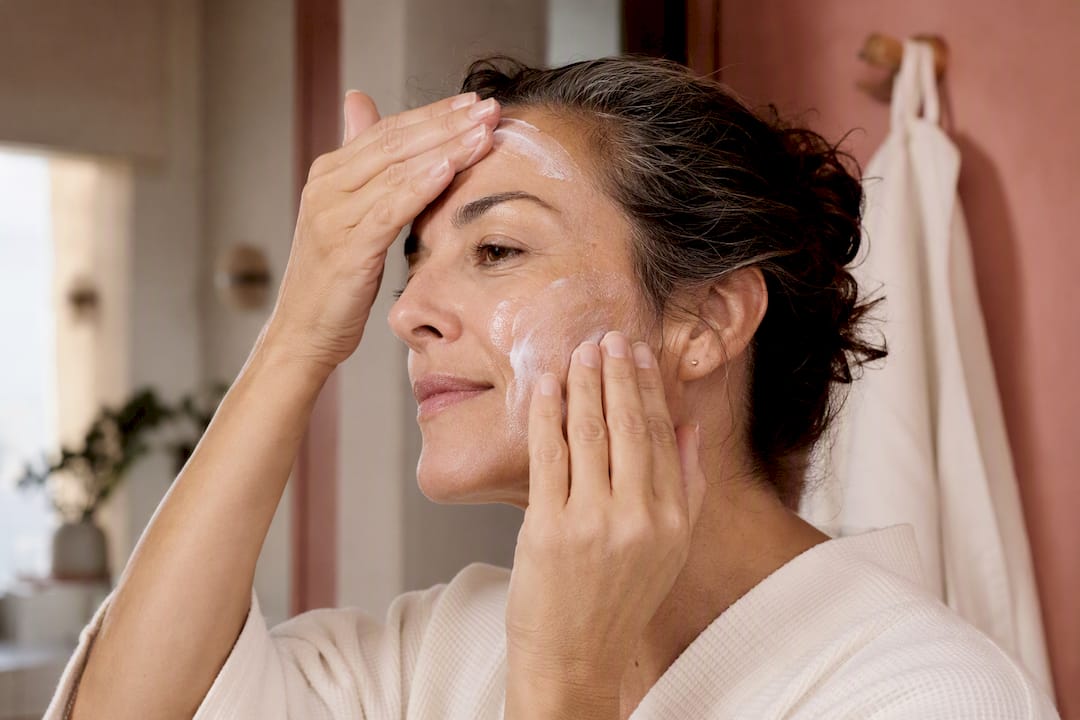
Chronic UV exposure, smoking, high-sugar diets, poor sleep, chronic stress, heavy alcohol intake, and harsh skincare habits are the lifestyle habits accelerating skin aging faster than genetics alone. The single highest-impact daily action you can take is consistent broad-spectrum SPF 30+, paired with protective behaviors like shade-seeking and UPF clothing. Everything else, quitting smoking, eating fewer refined sugars, sleeping seven to nine hours, and managing stress, works from the inside out to support what sunscreen protects from the outside. When pigmentation, texture change, or fine lines have already set in, a consultation with a dermal clinician helps you figure out whether homecare alone will get you there or whether it needs professional support.
Chronic UV exposure (including incidental daily exposure)
Smoking
High-sugar, refined-carb diets
Chronic poor sleep and unmanaged stress
Heavy alcohol use
Pollution and indoor environmental exposures
Harsh physical exfoliation and inconsistent skincare
A quick data point: researchers behind a large systematic review and meta-analysis found a clear dose response between cumulative UV exposure and wrinkles, solar lentigines, and sagging skin, making sun exposure the dominant environmental driver of what dermatologists call extrinsic aging.
Key Takeaways
Daily broad-spectrum sunscreen combined with sleep, diet, and stress management addresses the lifestyle habits accelerating skin aging more effectively than any single fix alone.
Point | Details |
Sunscreen is priority one | Apply broad-spectrum SPF 30+ every morning and reapply during extended sun exposure. |
Smoking causes measurable damage | Cessation reduces oxidative stress and MMP activity that break down collagen. |
Sugar accelerates glycation | Cutting refined carbs and sugary drinks slows collagen stiffening over time. |
Sleep drives repair | Seven to nine hours nightly supports collagen gene expression and barrier recovery. |
Homecare has limits | Persistent pigmentation or texture change usually needs professional treatment alongside lifestyle fixes. |
Table of Contents
Sun Exposure and Photoaging: The Habit That Outweighs the Rest
Ultraviolet light damages skin at the DNA level and switches on enzymes called matrix metalloproteinases, or MMPs, which chew through collagen and elastin faster than your body can rebuild them. That’s the biological engine behind photoaging, and it’s why the systematic review found sunscreen users showed measurably less photoaging and looked younger for their age than non-users.
What most people miss is incidental exposure. The sun hitting your left arm on the commute, the light through your office window, the walk to grab coffee, all of it adds up. Cumulative low-dose exposure is a genuinely under-addressed contributor to visible aging.
Here’s what actually protects you:
Apply broad-spectrum SPF 30+ every morning, rain or shine.
Reapply every two hours during extended outdoor time.
Wear a wide-brimmed hat and UPF-rated clothing for real coverage.
Add sunglasses to protect the thin skin around your eyes.
Treat makeup with SPF as a bonus layer, never your only defense.
Pro Tip: Layer a vitamin C antioxidant serum under your sunscreen in the morning. Antioxidants mop up free radicals that UV rays generate, giving you a second line of defense sunscreen alone doesn’t provide. Choosing the right formula matters too, especially if you’re managing pigmentation alongside sun protection.
Tobacco and Alcohol: The Habits That Erode Skin From Within
Smoking has one of the strongest dose-response relationships in skin aging research. The same systematic review that quantified UV damage found smoking drives collagen breakdown through oxidative stress, MMP activation, and reduced blood flow to the skin’s surface. Every cigarette adds a small amount of measurable damage, and it compounds over years.
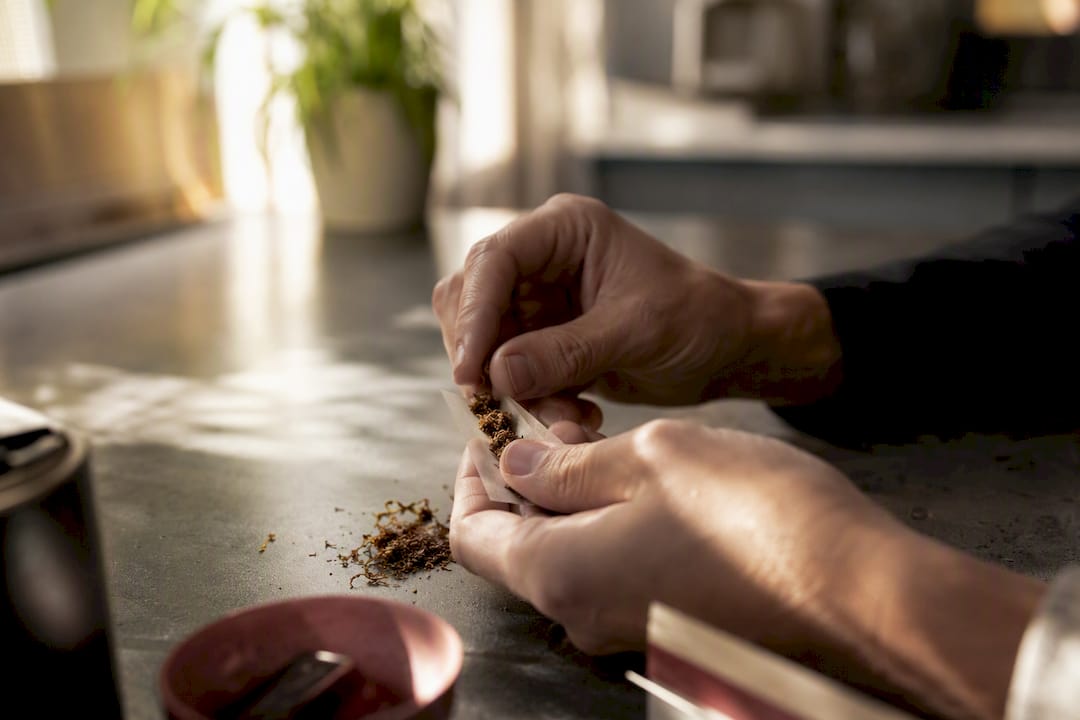
Alcohol’s evidence is less definitive but still worth taking seriously. Heavier drinking is linked to inflammation and dehydration, both of which show up as puffiness, dullness, and a compromised skin barrier. Moderate drinking hasn’t been shown to carry the same weight of evidence, so there’s no need to treat an occasional glass of wine as a skin crisis.
If smoking is part of your routine, cessation support is the highest-leverage change available. Beyond that:
Prioritize antioxidant-rich foods to counter oxidative stress.
Stay hydrated, particularly after drinking.
Consider collagen-stimulating clinical treatments once you’ve addressed the underlying habit, since procedures work better on skin that isn’t actively being damaged.
Nutrition and Glycation: What You Eat Shows Up on Your Face
High-sugar and refined-carbohydrate diets accelerate a process called glycation, where excess sugar molecules bind to collagen fibers and make them stiff and brittle. Glycated collagen doesn’t bounce back the way healthy collagen does, and it’s a documented contributor to fine lines and loss of firmness.

A broader review of lifestyle factors links plant-forward, antioxidant-rich eating patterns to fewer wrinkles and better skin hydration compared to diets heavy in processed foods. The mechanism makes sense: fewer inflammatory triggers, more raw material for skin repair.
Realistic swaps go further than a total diet overhaul:
Trade sugary drinks for water or unsweetened tea.
Swap refined carbs for whole grains where you can.
Add more colorful vegetables and berries for antioxidant density.
Include oily fish or another omega-3 source a few times a week.
Pro Tip: Don’t expect diet changes to erase existing pigmentation or texture damage on their own. Nutrition supports skin health long-term, but reversing visible glycation damage usually needs a combination of dietary change and professional treatment.
Sleep, Stress, and the Skin’s Nighttime Repair Window
Skin does most of its repair work while you sleep, which is exactly why chronic sleep deprivation hits so hard. Poor sleep impairs barrier recovery, reduces collagen gene expression, and keeps cortisol elevated, and elevated cortisol drives the kind of low-grade inflammation that speeds up visible aging over time.
Keep a consistent sleep and wake schedule, even on weekends.
Aim for seven to nine hours a night, the range most lifestyle research associates with better skin outcomes.
Build a nighttime routine focused on barrier repair, think richer moisturizers and less active ingredients before bed.
Add a short mindfulness practice or breathing exercise if stress is chronic rather than occasional.
Shift work and chronic sleep restriction are consistently tied to accelerated aging markers, so this isn’t a minor lifestyle footnote. If dullness has been creeping in, it’s worth reading how sleep and skin quality connect in more depth.
Pollution and Indoor Exposures: The Accelerants Hiding in Plain Sight
Airborne pollutants trigger oxidative stress and inflammation in skin cells, and particulate matter has been linked to worsening pigmentation, not just wrinkles. It’s not only an outdoor problem. Indoor heating systems, household cleaning chemicals, and secondhand smoke all contribute to the same inflammatory load, often without anyone noticing the source.
Mitigation doesn’t require moving to the countryside:
Use an antioxidant serum to help counter pollutant-driven oxidative stress.
Keep your skin barrier supported with a proper moisturizer, since a compromised barrier absorbs more damage.
Improve indoor air quality where you can, and minimize secondhand smoke exposure.
Wear sunglasses and consider window film for rooms where you spend a lot of time.
Skincare Habits That Help vs. Habits That Quietly Age Your Skin
Not all skincare habits are created equal, and some well-meaning routines cause more harm than the aging process they’re meant to fight. Harsh physical scrubs create micro-tears that trigger chronic low-grade inflammation, the opposite of what you want if you’re trying to look younger, not older.
What the evidence actually supports:
Retinoids to boost cell turnover and stimulate collagen production, introduced gradually to avoid irritation.
Topical vitamin C as a daytime antioxidant that also supports brightening.
Niacinamide for improving tone evenness and strengthening the skin barrier.
Humectants and barrier lipids (think hyaluronic acid and ceramides) to keep skin hydrated and resilient.
Gentle chemical exfoliation instead of physical scrubs, since acids resurface without the micro-trauma.
Pro Tip: If at-home exfoliation has plateaued and pigmentation or texture issues persist, a clinician-administered biomimetic peel offers controlled resurfacing with far less inflammation than aggressive scrubbing, which is worth exploring before increasing the strength of your home routine. See a clinician when pigmentation deepens, texture roughens, or your homecare routine stops moving the needle, since combining professional treatment with homecare typically outperforms either approach alone.
How to Prioritize: An Inside-Out Plan That Actually Works
You don’t need to overhaul everything at once. Tackling changes in order gets you further, faster.
Start with daily photoprotection. Add SPF 30+ to your morning routine and quit smoking if it applies to you. These two moves alone address the two largest documented drivers of visible aging.
Stabilize sleep and diet next. Aim for consistent sleep and cut back on refined sugar. This is where the inside-out approach pays off, since internal stability makes external protection work harder.
Layer in topical actives and book a consult. Once the fundamentals are solid, add retinoids or antioxidants, and see a clinician if pigmentation or texture concerns persist.
Track progress with monthly photos in consistent lighting, and reassess at the three to six month mark. Skin changes gradually, so expecting overnight results sets you up for disappointment rather than progress.
A Dermal Clinician’s View on Lifestyle vs. In-Clinic Care
After 15 years assessing skin, Chevonne consistently sees the same pattern: lifestyle habits set the ceiling for what topical care alone can achieve. Sun exposure, diet, and sleep patterns come up in nearly every consultation before any treatment plan gets built.
Non-invasive options like the Larimedical Biomimetic Peel work best alongside lifestyle change, not as a substitute for it.
Peels are typically recommended when pigmentation or texture has plateaued despite consistent homecare.
Before-and-after results, supported by organic, Australia-sourced ingredients, show what’s achievable when lifestyle and in-clinic care work together.
Key Studies and Resources Used in This Article
This article draws on a systematic review and meta-analysis on skin aging risk factors, a narrative review of lifestyle effects on skin aging, a 2026 EMBO Journal perspective on the cutaneous exposome, and American Academy of Dermatology guidance on reducing premature skin aging.
Where the Conventional Advice Falls Short
Most articles on this topic treat sunscreen and serums as the whole story, and that’s where they undersell the reader. The research is clear that sun exposure is the dominant driver, but it’s not the only one worth acting on. Sleep, sugar intake, and chronic stress show up again and again as measurable contributors, not soft, feel-good advice tacked onto the end of a skincare routine.
The bigger blind spot is timing. People wait until pigmentation or texture change is visible before addressing lifestyle habits, when the damage has usually been accumulating for years. Fixing the habit and expecting years of glycation or sun damage to reverse themselves is unrealistic.
If you take one thing from this: prioritize sunscreen and sleep first, because they’re the two habits with the clearest evidence and the highest daily leverage. Everything else, diet, alcohol, skincare actives, matters, but it works best as reinforcement, not a replacement for those fundamentals. And when homecare plateaus, that’s a signal to get a professional opinion, not a reason to scrub harder.
This article is general information, not a substitute for advice from a qualified doctor. Consult a qualified healthcare professional about your own circumstances before acting on anything here.
Sources
Recommended
Comments