.png)
How to Reduce Downtime After Clinical Skin Treatment
- chevonne stewart
- 2 days ago
- 8 min read

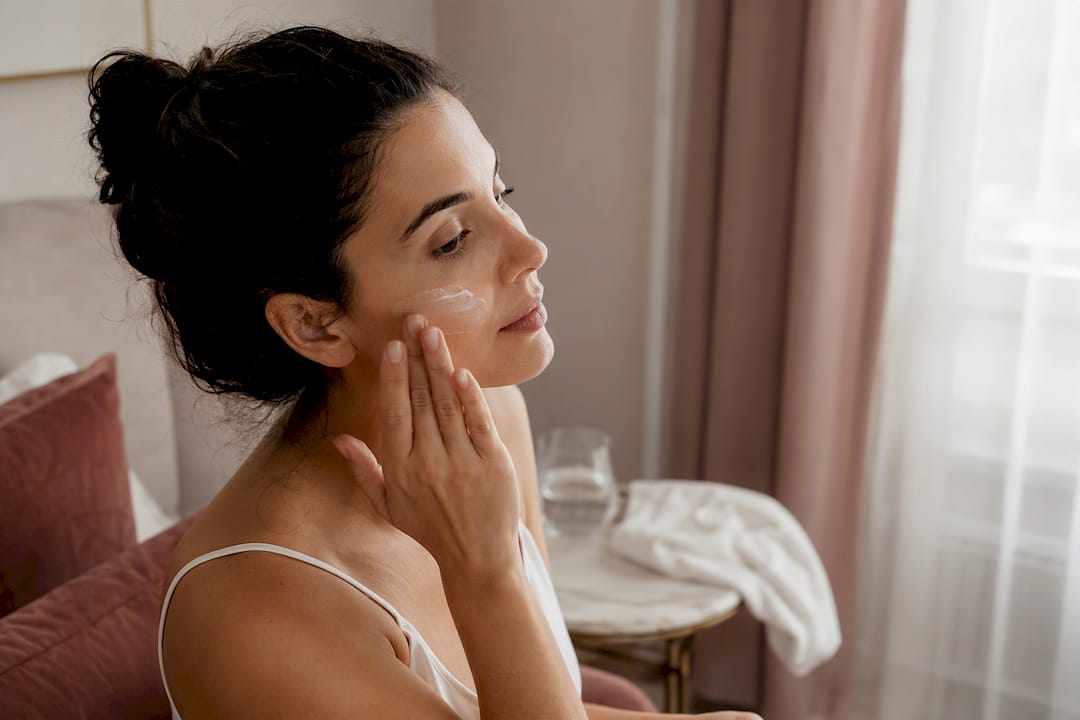
The fastest way to reduce downtime after clinical skin treatment is to combine two weeks of pre-treatment skin strengthening with immediate postprocedure barrier support and strict sun avoidance. This isn’t a maybe. Randomized trial data on peri-procedural serums shows measurable drops in water loss and faster symptom resolution when patients prep beforehand and protect the skin barrier right after. Add a gentle cleanse and an occlusive or regenerative cream in the first days, and you’re working with your skin’s own repair timeline instead of against it.
Do these three things in the next hour if you have a treatment booked or just finished one:
Book (or continue) a barrier routine of fragrance-free moisturizer and mineral SPF 50+ starting now, even if your appointment is weeks away.
After treatment, cleanse with lukewarm water only (skip cleanser for the first 24 hours if your clinician advises it) and pat dry.
Apply the occlusive or regenerative product your clinician recommends before you leave the room, not hours later.
Key Takeaways
Reducing downtime after a clinical skin treatment depends on two-week barrier prehab, immediate post-treatment occlusion, and disciplined sun protection working together.
Point | Details |
Prehab matters most | Two weeks of moisturizer, SPF 50+, and antioxidants before treatment measurably shortens recovery. |
Protect immediately after | Gentle cleansing plus a regenerative or occlusive cream reduces crusting and erythema in the first week. |
Skip actives temporarily | Hold off on retinoids, vitamin C, and AHAs/BHAs until crusting and peeling fully resolve. |
Watch for red flags | Spreading redness, fever, or worsening pain past day 2 to 3 warrants contacting your clinician. |
Fundamentalskin’s protocol | The Larimedical Biomimetic Peel and Biomimetic Peel + LED Therapy are built around this same prep-and-protect sequence for shorter, more predictable downtime. |
Table of Contents
What to Expect: Downtime Timelines by Treatment Type
Downtime varies enormously depending on how deep the treatment goes, and setting the wrong expectation is where most people get caught off guard. A light chemical peel or superficial microneedling session usually means a day or two of mild flushing, similar to a light sunburn. Non-ablative lasers, which heat tissue without breaking the surface, typically cause redness and puffiness that fades within 24 to 48 hours.
Fractional ablative lasers and deeper peels are a different story. Mayo Clinic notes that ablative resurfacing often takes 7 to 10 days for new skin to fully cover the treated area, with complete settling of tone and texture stretching over weeks to months.
Light peels/microneedling: 1 to 3 days of visible redness
Non-ablative lasers: minimal downtime, usually gone within 48 hours
Fractional ablative lasers/deep peels: 7 to 10 days of active healing, longer for full results
Clinical downtime (when the skin is actively healing) and social downtime (when you feel comfortable being seen) aren’t the same thing, and your tolerance for the second one is personal. Worth flagging: post-inflammatory hyperpigmentation, or PIH, doesn’t always show up immediately. It can emerge one to two weeks after treatment, particularly on deeper skin tones, which is exactly why the pigmentation-specific aftercare steps matter as much as the initial healing phase.
Do’s and Don’ts for the First 72 Hours
The first three days set the tone for everything that follows. Get this window right and you shorten the whole recovery arc.
Cleanse minimally. Rinse with cool water only for the first 24 hours on anything beyond a light peel; after that, switch to a gentle, non-foaming surfactant cleanser rather than anything with acids or scrubbing beads.
Apply barrier support consistently. Use the occlusive or regenerative cream your clinician provided two to three times daily. Clinical data on regenerative creams following Erbium:YAG laser treatment shows meaningfully less crusting and faster hydration recovery when applied consistently in the first week.
Cool, don’t ice. A clean, damp cloth held gently against the skin reduces swelling better than direct ice, which can shock already-sensitive tissue.
Skip the gym. Heat, sweat, and friction all aggravate healing skin. Hold off on intense exercise, saunas, and hot showers for at least 72 hours.
Keep hands and fabric off your face. Change pillowcases daily and resist touching or picking, even when it flakes.
Retinoids, vitamin C serums, AHAs, BHAs, and fragranced products are all off the table until your clinician clears you. These ingredients are designed to accelerate cell turnover or exfoliate. On compromised skin, that’s the opposite of what you need.
Pro Tip: Keep your barrier cream in the fridge for the first two days. The cool application feels soothing and helps with mild swelling at the same time.
Week-by-Week Recovery: What Changes and When
Recovery isn’t linear, and knowing what each phase should look like keeps you from panicking over normal healing or, worse, rushing back to actives too early.
Week 1 is about protection, not progress. Keep the area occluded as directed, avoid makeup entirely unless your clinician has specifically cleared a mineral formula, and treat sunscreen as non-negotiable even on cloudy days.
Weeks 2 to 4 is when you transition from repair mode to rebuilding mode:
Swap heavier occlusives for barrier-restoring moisturizers with ceramides or squalane.
Reintroduce niacinamide first; it’s generally well-tolerated and helps with lingering redness.
Hold off on vitamin C until visible peeling or crusting has fully resolved.
Watch closely for early signs of PIH, especially if you have a history of pigmentation concerns.
Longer term, retinoids and any resurfacing follow-ups typically wait four to six weeks, sometimes longer for deeper ablative work. If your treatment plan involves multiple fractional sessions, spacing them four to eight weeks apart gives your skin time to fully re-epithelialize between rounds, which is part of why a structured post-treatment protocol matters more than improvising week to week.
Two-Week Prehab: The Prep Work That Actually Shortens Recovery
Most people think downtime starts on treatment day. It doesn’t. What you do in the two weeks beforehand has a direct, measurable effect on how fast you bounce back. An Australian expert panel recommends at least two weeks of preprocedural barrier support, including daily moisturizer, SPF 50+, and antioxidants, tailored to how much barrier disruption the planned procedure will cause.
Here’s what that looks like in practice:
Start (or reinforce) a daily moisturizer and SPF 50+ routine, non-negotiable, at least 14 days out.
Add niacinamide or a gentle antioxidant serum if your skin tolerates it well.
Stop retinoids, strong AHAs/BHAs, or any new active ingredient at least a week before treatment, longer if your clinician advises.
Prioritize sleep and hydration; skin repairs itself during rest, and dehydrated skin heals slower.
Flag any aspirin, NSAID, or blood-thinning medication use with your clinician ahead of time.
Avoid unprotected sun exposure and tanning in the two weeks leading up to your appointment.
Which Topical Products Actually Speed Recovery?
Not every moisturizer on the shelf earns a place in your recovery kit. The products with real evidence behind them fall into a handful of categories, and choosing correctly makes a visible difference.
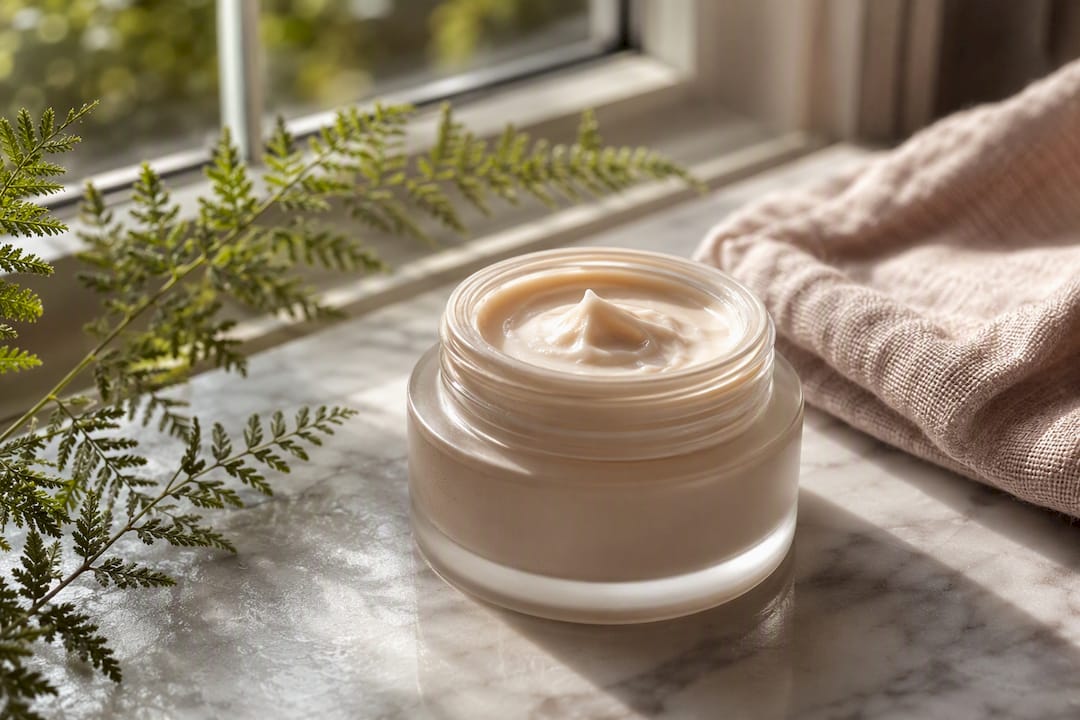
Peri-procedural regenerative creams have the strongest data. In one study following Erbium:YAG laser treatment, patients using a regenerative cream saw a 76% increase in hydration by day 7 and 49% less crusting compared to laser treatment alone, with erythema down 27% by day 18. Similar peri-AFCO2 serum research found improved TEWL and faster symptom relief when the same product was used before and after treatment, not just after.
When to use what:
Days 1 to 5 to 7 after intensive procedures: occlusive, regenerative formulas to seal moisture and limit water loss.
Once initial crusting resolves: lighter humectant and ceramide moisturizers to continue barrier rebuilding.
Always: fragrance-free, tested on compromised skin, free of penetrative actives until cleared.
Emerging adjuncts show promise too. A small pilot study on nano-sized ultrafine water clusters found a large reduction in post-laser erythema density with no adverse events, though the sample size was modest. LED therapy and cold packs are commonly used alongside topicals to calm inflammation, though their evidence base is thinner than that for regenerative creams. Products like those detailed in tissue regeneration cream research follow the same logic: support the barrier, don’t disrupt it.
When to Contact Your Clinician
Most healing follows a predictable curve. Deviations from it are worth acting on quickly rather than waiting it out.
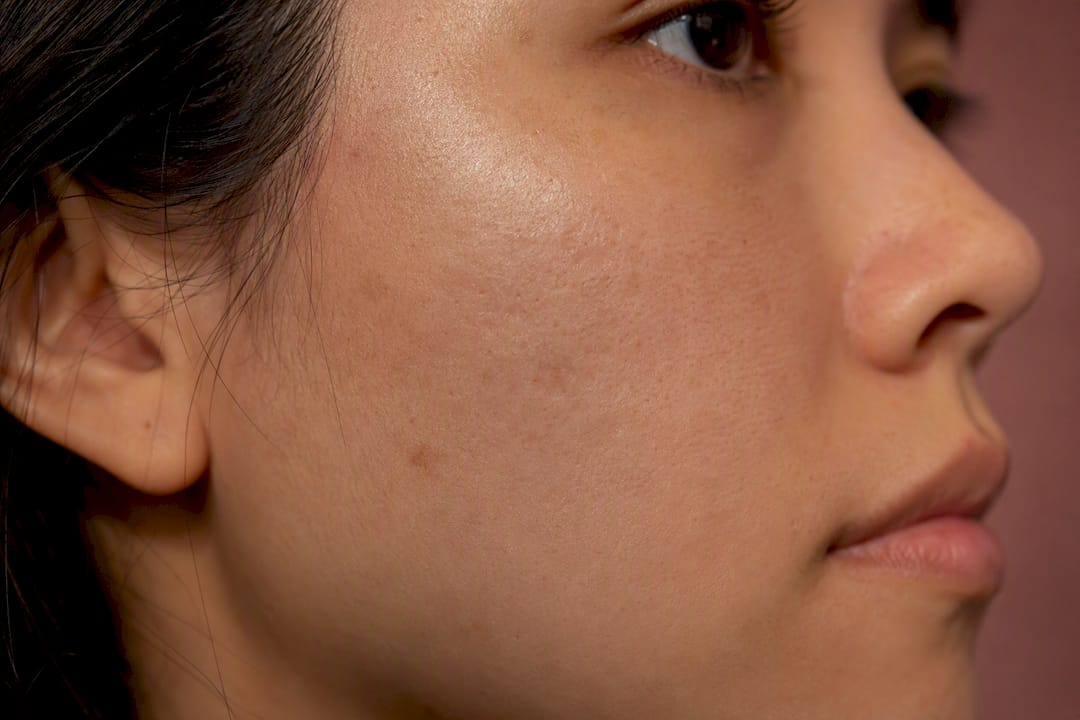
Contact your treating clinician promptly if you notice spreading redness beyond the treated area, increasing (not decreasing) pain after day 2 or 3, pus or discharge, or fever. Severe swelling, unexpected bleeding, or pigmentation that keeps darkening past week two also warrant a call. Photograph the area daily under consistent lighting, note when symptoms started, and send both to your clinician rather than describing it from memory. healthdirect’s guidance on cosmetic procedures is a solid consumer resource if you’re unsure whether something is normal.
A Practitioner’s Note on Low-Downtime Recovery
“The biggest recovery mistakes I see happen before treatment even starts, not after. Clients who spend two weeks strengthening their barrier heal visibly faster and with far less redness than those who walk in cold. Pairing that prep with the right peri-procedural support, like what we use with the Larimedical Biomimetic Peel and LED protocols, consistently shortens the time between treatment and feeling ready to be seen.”
If you’re planning a treatment and want a recovery plan built around your specific skin, a personalized consultation is the fastest way to get one.
Where Conventional Advice on Downtime Gets It Wrong
Most downtime advice treats the recovery period as something you endure after the fact, a passive waiting game measured in days. The evidence doesn’t support that framing. Recovery speed is decided largely before treatment ever happens, in whether the barrier was strengthened for two weeks beforehand, and the Australian panel’s stratified approach makes that explicit rather than optional.
The other overrated idea is that more product equals faster healing. Layering vitamin C, retinoids, and exfoliants back into a routine too early doesn’t accelerate anything. It reopens inflammation and often extends the very downtime someone is trying to shorten. What matters is not throwing more actives at healing skin, but withholding them at the right moments and choosing the two or three products with real evidence behind them.
If you take one thing from this: treat prehab as seriously as aftercare. The two-week window before your appointment is not a formality. It is the highest-leverage window you have.
Get a Recovery Plan Built Around Your Skin
You now know what shortens downtime: barrier prep, the right peri-procedural products, and strict early sun protection. Fundamentalskin’s approach is built around exactly that sequence, using the Larimedical Biomimetic Peel and combined Biomimetic Peel + LED Therapy protocols, both designed to address pigmentation, redness, and texture with visible results and a shorter, more predictable recovery window than more invasive alternatives.

Chevonne, a Dermal Clinician with 15 years of experience, tailors both the pre-treatment routine and the postcare plan to your skin type rather than handing you a generic printout. If you’re weighing options for a low-downtime treatment, start with a personalized consultation to map your two-week prehab and see the Larimedical peel options or the Biomimetic Peel + LED Therapy service directly. Booking a consultation now gives you time to prep properly before your treatment date.
Frequently Asked Questions
How long does it typically take to reduce downtime after clinical skin treatment? It depends on the procedure, but combining two-week prehab with proper aftercare often cuts visible redness and crusting time by several days compared to no preparation at all.
What’s the fastest way to reduce redness after skin care procedures? Gentle cleansing, a regenerative or occlusive cream in the first week, and strict avoidance of heat and sun exposure are the most effective combination for calming redness quickly.
Can nutrition really speed up skin healing after a procedure? Staying well-hydrated and getting adequate sleep supports the skin’s natural repair process; dehydration and poor sleep are both linked to slower tissue recovery generally.
Is LED therapy worth using during recovery? LED therapy is commonly used alongside topical aftercare to help calm inflammation, and it pairs well with barrier-supporting creams during the healing window.
When should I worry about my skin after a treatment? Contact your clinician if you see spreading redness, increasing pain after day two or three, discharge, fever, or pigmentation that keeps darkening past two weeks.
This article is general information, not a substitute for advice from a qualified doctor. Consult a qualified healthcare professional about your own circumstances before acting on anything here.
Sources
Recommended
Comments