.png)
Melasma After Pregnancy: What to Expect and How to Treat It
- chevonne stewart
- 1 day ago
- 7 min read

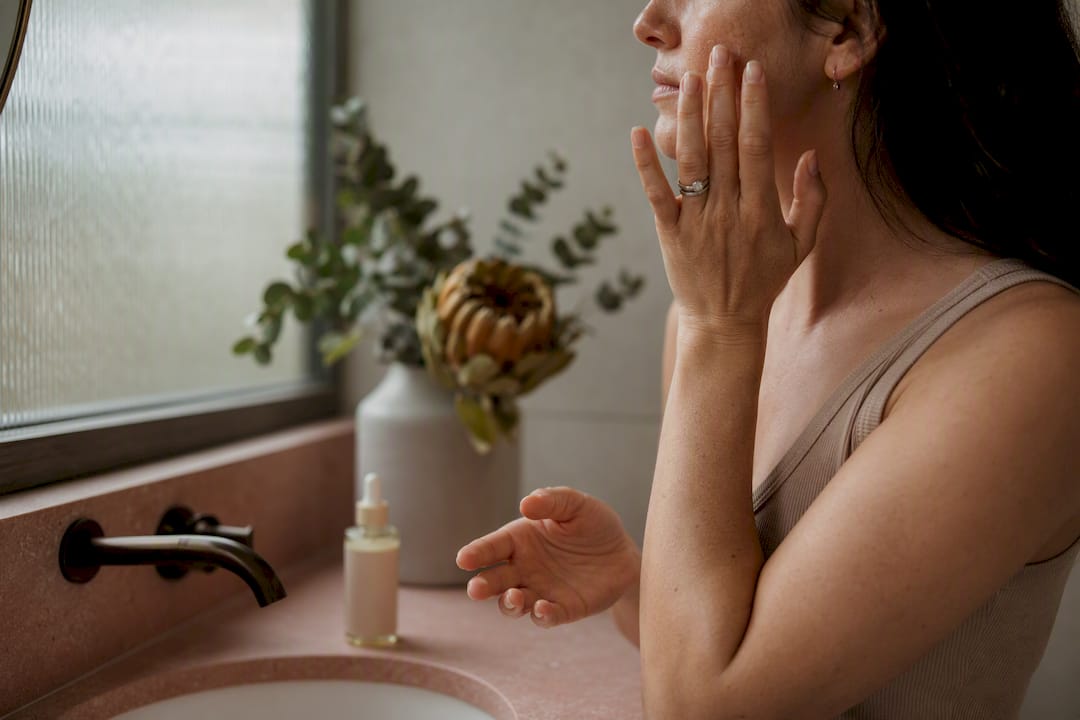
Most pregnancy-related melasma starts to lighten within a few months of delivery, though a meaningful share of cases stick around well past the first year. If you’re breastfeeding, lead with strict sun protection and pregnancy-safe topicals like azelaic acid. If you’re not breastfeeding and the pigment hasn’t budged after three to six months, it’s time to talk to a clinician about staged, multimodal treatment.
TL;DR:
Melasma that persists beyond three to six months postpartum, especially if deep greyish or resistant to sun protection, may require professional, staged treatment.
Melasma involving dermal pigment is more resistant to topicals and often persists longer, especially if combined with vascular or inflammatory factors.
When topical treatments and strict photoprotection fail, a multimodal approach—including chemical peels, microneedling, or non-ablative lasers—can improve control and reduce relapse risks.
Use broad-spectrum, tinted mineral sunscreen daily, reapply every two hours outdoors, and avoid friction from waxing or abrasive scrubs on pigmented skin.
Seek professional assessment if melasma does not improve after three to six months of correct at-home care or if pigmentation worsens rapidly.
Table of Contents
What Melasma After Pregnancy Actually Looks Like
Melasma shows up as symmetrical brown or grey-brown patches, usually across the cheeks, forehead, upper lip, or jawline. Clinicians call these the centrofacial, malar, and mandibular patterns, and pregnancy melasma tends to follow the centrofacial map most often. Because it’s so tied to pregnancy hormones, it earned the nickname “mask of pregnancy,” though the clinical term chloasma is still used interchangeably with melasma.
The hormonal driver is well established: rising estrogen, progesterone, and melanocyte-stimulating hormone during pregnancy push pigment-producing cells into overdrive, and women with darker skin tones or a family history of melasma are more prone to it, according to a clinical review of melasma pathogenesis. Where that pigment sits matters for treatment planning:
Epidermal melasma sits closer to the skin’s surface and generally responds better to topicals and peels.
Dermal melasma sits deeper, appears more blue-grey, and resists treatment more stubbornly.
Many women have a mixed pattern, which is why a single product rarely clears it completely.
Why Melasma Doesn’t Always Fade When Hormones Settle
Pregnancy hormones eventually drop back to baseline, so why does the pigment sometimes stay put? Part of the answer is epigenetic: pregnancy appears to “prime” melanocytes in a way that outlasts the hormonal surge itself, and once pigment has migrated into the dermis, it’s far slower to clear than surface-level discoloration.
Blood vessel changes and low-grade inflammation in affected skin also help sustain the pigment, acting almost like a support system that keeps melanocytes active long after delivery, per the multimodal melasma treatment review.
Postpartum life doesn’t help. Common aggravators include:
Unprotected sun and visible light exposure, especially from screens and windows
Skin inflammation from harsh exfoliants, aggressive facials, or new postpartum acne
Waxing or threading over already-pigmented areas
Stress and disrupted sleep, both of which can worsen inflammatory pigment conditions
A key clinical point: melasma pathogenesis is described as multifactorial, meaning UV and visible light, hormones, genetics, and vascular changes all interact rather than acting alone, which is exactly why single-ingredient fixes rarely work.
Will Melasma Go Away on Its Own?
For many women, yes, at least partially. Improvement often begins within three to six months of delivery, and some cases resolve close to fully by the twelve-month mark, according to patient-series data on pregnancy-related melasma. But “many” isn’t “all,” and a meaningful subset carries pigment well beyond the first year postpartum.
Here’s how to judge where you likely stand:
Color and depth matter. Grey-blue or slate-toned patches usually indicate dermal pigment, which fades slower than warm brown, more superficial pigment.
Track response to consistent care. If three to six months of daily sunscreen and gentle topicals produce little visible change, that’s a signal the pigment has settled deeper.
Consider your hormonal future. Melasma commonly recurs with future pregnancies or with estrogen-containing contraception, so factor that into decisions about birth control if pigmentation control is a priority.
The Cleveland Clinic’s patient guidance echoes this pattern: melasma is common, often fades over months, but can become chronic and relapsing for some women.
What You Can Do Right Now, Safely
Photoprotection is the single highest-leverage habit here, and it’s the one piece of advice that applies whether you’re pregnant, breastfeeding, or years past either. A broad-spectrum, tinted mineral sunscreen protects against visible light as well as UV, which matters because melasma responds to both, per Australian pregnancy health guidance. A pregnancy-safe sunscreen guide is worth reading if you’re still nursing and want ingredient clarity.
Beyond sunscreen:
Reapply sunscreen every two hours outdoors, and pair it with a wide-brimmed hat or shade when possible.
Introduce azelaic acid and niacinamide gradually. They’re considered safe during breastfeeding and help calm pigment without harsh irritation. Stabilized vitamin C can layer well underneath sunscreen for added antioxidant support.
Skip waxing, threading, and abrasive scrubs over pigmented patches. Any friction or inflammation there tends to feed the pigment rather than fade it.
If you’re using estrogen-containing contraception and melasma is a concern, raise it with your GP or gynecologist. There may be non-hormonal alternatives worth discussing.
Pro Tip: Layer actives thinnest to thickest, and always let each product absorb for a minute before the next. Rushing the routine is one of the most common reasons new topicals cause irritation instead of improvement. For more on building this out without upsetting sensitive postpartum skin, this guide to adjusting skincare for pigmentation-prone skin walks through sequencing in more depth.
Treatment Options When Melasma Won’t Budge
When melasma persists past the safe self-care window, treatment shifts to a staged, multimodal plan rather than a single fix. That’s the approach favored across current melasma treatment literature, and for good reason: melasma responds better to layered strategies than to any one product or procedure.
Topical induction usually comes first for non-breastfeeding patients: thiamidol or topical tranexamic acid where available, paired with azelaic acid and niacinamide. Retinoids and hydroquinone remain effective options too, but they’re reserved for patients who aren’t pregnant or breastfeeding, and only under a clinician’s supervision.
Procedural adjuncts can help once topicals plateau:
Superficial chemical peels, used conservatively to avoid triggering inflammation-driven rebound pigment
Microneedling, often combined with topical agents or tranexamic acid for better penetration
Cautious, selective use of non-ablative lasers, which carry real relapse risk if not paired with maintenance care
Aggressive resurfacing tends to backfire on melasma-prone skin. Conservative, combination approaches consistently show better control with lower relapse rates than single aggressive procedures, according to the same multimodal treatment review.
Oral tranexamic acid (TXA) is gaining traction as an adjunct for moderate-to-severe, treatment-resistant melasma. It requires careful screening for clotting risk beforehand and is not appropriate during pregnancy or for women actively planning one, per StatPearls’ clinical overview. The realistic goal across all of this isn’t a permanent cure. It’s control, with photoprotection and maintenance keeping recurrence at bay long term.

When Should You See a Clinician?
If three to six months of consistent, correct topical care hasn’t produced visible change, that’s the clearest signal to book a professional assessment. Rapid worsening or melasma that’s affecting your confidence day to day are equally valid reasons to move sooner.
A typical first visit includes:
A history covering your pregnancy timeline, breastfeeding status, and any contraceptive or hormone use.
A Wood lamp exam or clinical photography to help distinguish epidermal from dermal pigment.
A conversation about which treatments are safe right now versus which should wait until after breastfeeding ends.
A maintenance plan with realistic timelines, since melasma control is ongoing rather than a one-time fix.
Australian health guidance reinforces this step: persistent or worsening skin changes are worth a professional look rather than months of guessing at home.
How I Approach Postpartum Melasma in Clinic
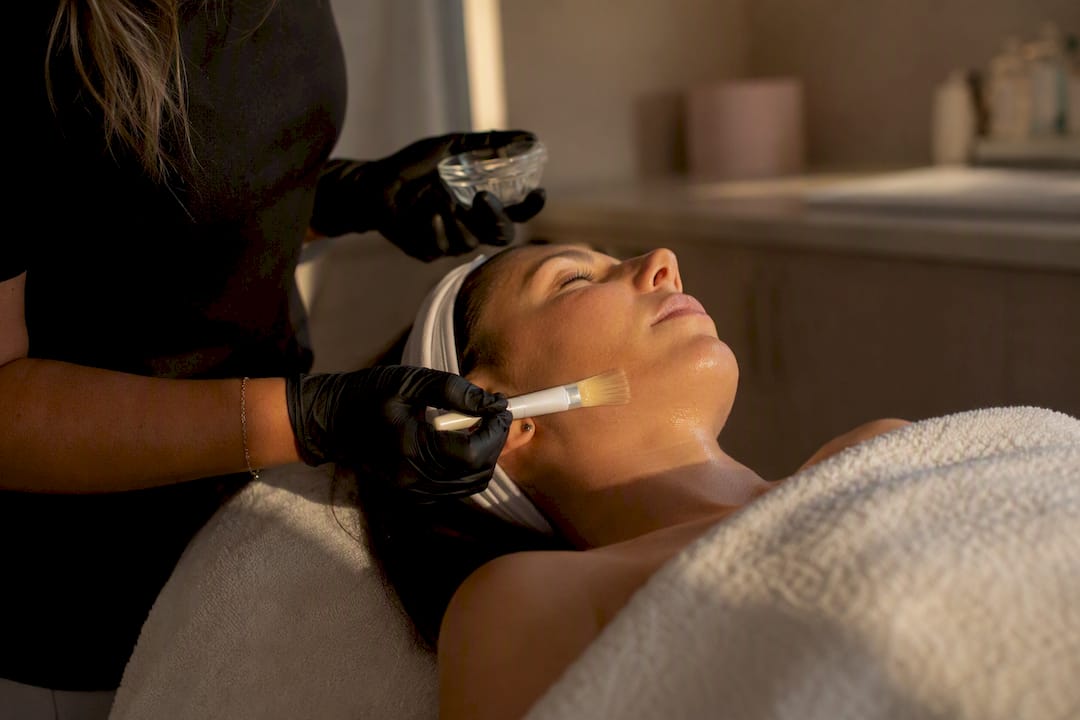
As a dermal clinician with 15 years in this field, I’ve found the biggest mistake new mothers make is reaching for aggressive treatments too early, before hormones and skin barrier function have settled. My approach starts conservative: strict photoprotection and pregnancy-safe topicals first, then staged escalation only if pigment hasn’t responded by the three to six month mark.
Case examples on our pigmentation treatment results page reflect that philosophy. Gentle, non-invasive options like the Larimedical Biomimetic Peel often fit well for clients who want visible improvement without downtime. Every plan gets built around your breastfeeding status, future pregnancy plans, and how your skin has actually responded, not a one-size timeline.
— chevonne
Get a Personalized Melasma Assessment
If sunscreen and patience haven’t cleared your pigment, a proper assessment beats another few months of trial and error with over-the-counter products. Fundamentalskin’s consultations start by mapping exactly where your pigment sits, epidermal or dermal, before recommending anything, so you’re never paying for a treatment that isn’t suited to your skin.

Our approach blends personalized consultations with non-invasive options like the Larimedical Biomimetic Peel and targeted microneedling, backed by before-and-after case studies showing real results on pigmentation-prone skin. Every consultation includes safety screening for pregnancy, breastfeeding, and relevant medical history before any treatment is recommended. Bring notes on when your melasma appeared and what seems to trigger flare-ups. It helps us build a plan around your actual skin, not a generic protocol. Book a consultation to start with a clear, honest assessment of what your skin needs next.
This article is general information, not a substitute for advice from a qualified doctor. Consult a qualified healthcare professional about your own circumstances before acting on anything here.
Sources
Recommended
Comments