.png)
Melasma Treatments That Actually Work: An Evidence-Based Guide
- chevonne stewart
- 7 hours ago
- 13 min read

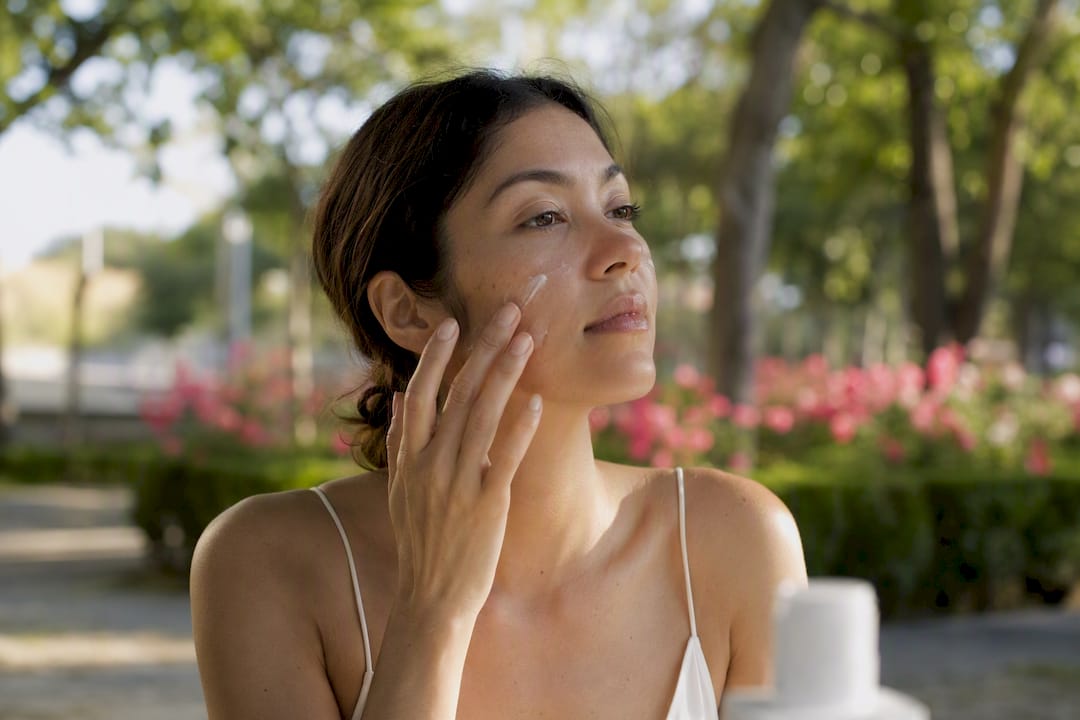
Melasma responds best to a multimodal strategy, not a single product or procedure. The evidence supports strict daily photoprotection (including visible-light-blocking tinted sunscreens), a topical induction phase using hydroquinone or a safer tyrosinase inhibitor, and a maintenance plan that keeps pigment from creeping back. Think of it less as a condition you cure and more as one you control, in the same way you’d manage any chronic skin disease.
For moderate or stubborn cases, oral tranexamic acid (TXA) and microneedling-assisted TXA delivery have earned a real place in the treatment algorithm. One notable finding: combining oral TXA with microneedling produced a significant reduction in pigment within 60 days in some studies, compared to a more moderate reduction with triple-combination cream alone.
That said, none of this is do-it-yourself territory once you move past sunscreen and gentle topicals.
Photoprotection first. Broad-spectrum, iron-oxide-tinted sunscreen, reapplied consistently, is the single highest-impact habit.
Topical induction. Hydroquinone or triple-combination cream (or non-hydroquinone alternatives) to slow pigment production.
Maintenance, always. A tapered routine to prevent relapse once you’ve hit your target improvement.
Adjuncts for refractory cases. Oral TXA or microneedling-assisted TXA, used only after proper screening.
Oral TXA and procedural options carry genuine risks, from thromboembolic concerns to post-inflammatory hyperpigmentation. Talk to a dermatologist or qualified dermal clinician before starting any systemic medication or in-clinic procedure.
Key Takeaways
Melasma treatment succeeds when strict photoprotection, supervised topical induction, and a planned maintenance phase work together, with oral TXA or microneedling reserved for cases that need more.
Point | Details |
Photoprotection is foundational | Use broad-spectrum, iron-oxide-tinted sunscreen daily and reapply every two hours during sun exposure. |
Follow the 6 to 8 week rule | Review progress at 6 to 8 weeks; escalate treatment if improvement is under 30%, maintain if at or above. |
Screen before systemic TXA | Oral tranexamic acid requires clotting risk and pregnancy screening before starting. |
Go conservative on darker skin | Precondition skin and use gentle settings for peels or microneedling to avoid post-inflammatory pigmentation. |
Get a personalized plan | Fundamentalskin builds induction-to-maintenance plans around your pigment depth using non-invasive treatments like the Larimedical Biomimetic Peel. |
This article is general information, not a substitute for advice from a qualified doctor. Consult a qualified healthcare professional about your own circumstances before acting on anything here.
Table of Contents
How Clinicians Assess Melasma Before Choosing Melasma Treatments
Why Photoprotection Is the Foundation of Every Melasma Facial Treatment
The 6 to 8 Week Rule: A Practical Path Through Melasma Treatments
Living With Melasma: The Psychological Side Nobody Talks About Enough
Hormones, Cosmetics, and Other Melasma Triggers Worth Managing
Editorial Take: Why “More Treatment” Isn’t the Same as “Better Treatment”
How Clinicians Assess Melasma Before Choosing Melasma Treatments
Effective melasma treatments start with an accurate read of what you’re actually dealing with. A clinician doesn’t just look at your face and reach for a cream. The assessment shapes everything that follows.
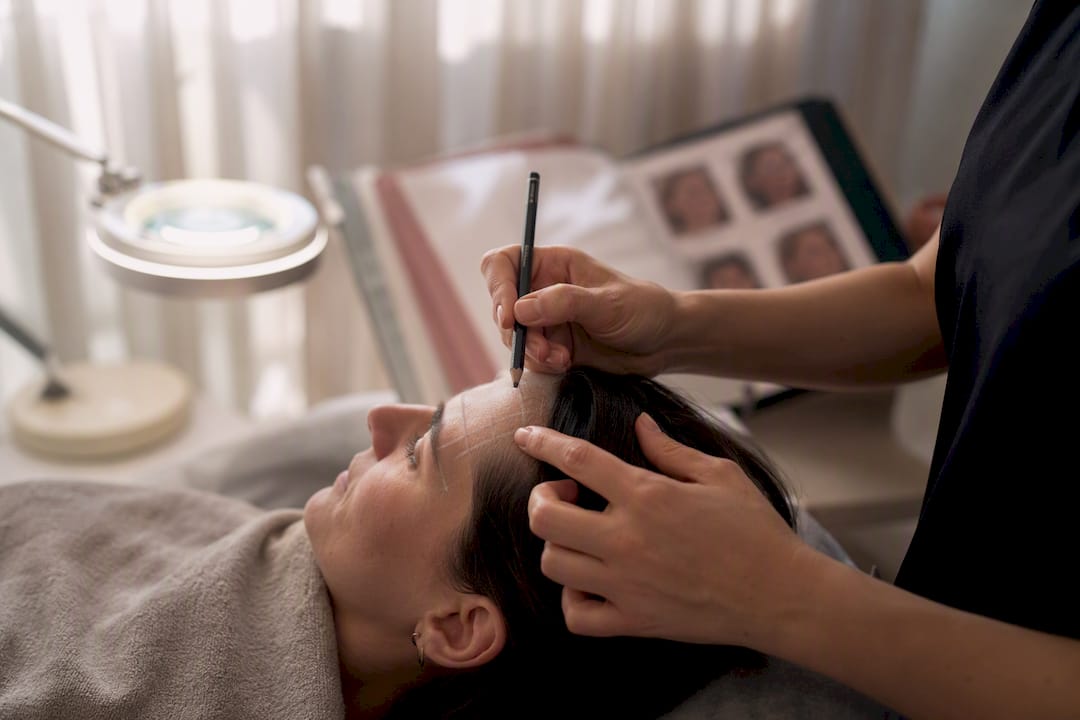
Clinical examination comes first, often paired with a Wood’s lamp exam or dermoscopy to help gauge how deep the pigment sits. Wood’s lamp can highlight epidermal melasma more distinctly, but it’s an imperfect tool. It struggles in darker Fitzpatrick skin types and doesn’t always distinguish mixed-depth pigment reliably, which is why experienced clinicians treat it as one input among several rather than a final verdict.
That depth classification matters enormously for what happens next:
Epidermal melasma tends to respond fastest to topical agents since pigment sits close to the surface.
Dermal melasma is more stubborn, often resistant to topicals alone, and more likely to need adjunctive therapy.
Mixed melasma, the most common presentation, usually calls for a combination approach from the start.
Your history matters just as much as what’s visible under a lamp. A thorough clinician will ask about hormonal triggers, oral contraceptive or hormone replacement use, pregnancy history, photosensitizing medications, and your actual sun exposure pattern, not just whether you “wear sunscreen sometimes.” Fitzpatrick skin type also factors into how aggressive (or conservative) a treatment plan should be, since darker skin types face higher risk of post-inflammatory hyperpigmentation from procedures.
Before starting anything, a clinician should take baseline photographs under consistent lighting and, ideally, use a semi-objective severity tool like the modified Melasma Area and Severity Index (mMASI) to track change over time. This isn’t paperwork for its own sake. It’s how you and your clinician will know, in 6 to 8 weeks, whether the plan is working or needs to change.
Why Photoprotection Is the Foundation of Every Melasma Facial Treatment
No topical agent, oral medication, or laser will out-perform unprotected sun exposure. This is the part of melasma treatment that gets the least attention and delivers the most value, and it’s where most people quietly fail.
Visible light, not just UV, plays a documented role in triggering pigmentation in people who are susceptible to melasma. That’s a critical distinction, because a standard chemical sunscreen that blocks UVA and UVB does nothing to stop visible light from reaching melanocytes. This is exactly why tinted sunscreens containing iron oxides have become a recurring recommendation in recent clinical reviews. Iron oxides physically reflect visible light in a way that clear or lightly tinted formulas simply can’t.
What to look for on a label, in practical terms:
Broad-spectrum SPF 30 minimum, moving up to SPF 50 if you spend real time outdoors or live somewhere with intense year-round sun.
Iron oxide content, usually listed on the ingredient panel or called out in the marketing copy as “visible light protection.”
A cosmetically wearable formula. If it sits heavy or looks ashy, you won’t reapply it, and a sunscreen you skip is worthless.
Physical (mineral) filters like zinc oxide or titanium dioxide, generally better tolerated on melasma-prone, sensitized skin than some chemical filter combinations.
Behavioral habits round this out. A wide-brimmed hat and an umbrella during peak midday hours do more than most people credit them for. Reapplication every two hours during outdoor exposure isn’t a suggestion, it’s the actual dose your skin needs. Even indoor light exposure through windows can matter over months and years, so don’t assume protection is only an outdoor concern. Tinted mineral makeup with iron oxides can serve as a light top-up layer, though it should never replace a proper sunscreen underneath. Choosing the right sunscreen for pigmented skin is worth more time than most people give it.
Pro Tip: Keep a labeled travel-size sunscreen in your bag or car specifically for reapplication. The version you use at your desk in the morning is rarely the version you’ll bother carrying around, and skipping the midday reapplication is where most photoprotection routines quietly fail.
Which Melasma Cream Options Actually Work?
Topical agents remain the backbone of melasma treatment, and this is where the biggest gap exists between marketing claims and clinical evidence. Not every “brightening” cream on a shelf belongs in the same conversation as a supervised prescription regimen.
Hydroquinone-based regimens and triple-combination cream (typically hydroquinone paired with a retinoid and a topical corticosteroid) are widely regarded as highly effective for induction therapy when used under clinical supervision. The key word there is supervision. Hydroquinone works by inhibiting tyrosinase, the enzyme responsible for melanin production, but unsupervised, prolonged use raises real risks, including irritation-driven relapse and, in rare cases, a condition called exogenous ochronosis, a paradoxical darkening from years of unmonitored use. This is why induction courses are meant to be time-limited, not a forever routine.
For people who can’t tolerate hydroquinone, are pregnant or trying to conceive, or simply need a gentler long-term maintenance option, several non-hydroquinone agents have solid backing:
Azelaic acid, well-tolerated and considered safe in pregnancy, with a milder tyrosinase-inhibiting effect.
Thiamidol (isobutylamido thiazolyl resorcinol, or ITR), a newer tyrosinase inhibitor gaining traction as an alternative to hydroquinone.
Topical tranexamic acid, useful both as a standalone agent and as an adjunct to other topicals.
Kojic acid, a longstanding option, though it can be more irritating for sensitive skin.
Niacinamide, helpful for barrier support and mild pigment modulation, often layered alongside stronger actives.
Cysteamine, a newer topical option some patients tolerate better than hydroquinone during longer maintenance stretches.
A sensible induction protocol looks like this: start your chosen agent, commit to strict photoprotection alongside it, and schedule a review at 6 to 8 weeks. That checkpoint isn’t arbitrary. It’s the point at which your clinician can objectively assess whether pigment is actually clearing or whether the plan needs to shift. Once you’ve hit meaningful improvement, tapering into a gentler maintenance regimen, often built around azelaic acid, niacinamide, or topical TXA, protects your gains without the cumulative irritation risk of long-term hydroquinone use. Supportive barrier care throughout this process (a simple, fragrance-free moisturizer and avoiding harsh exfoliants) reduces the inflammation that can otherwise undo your progress.
When Do Oral TXA and Procedures Make Sense for Melasma?
Topicals and sunscreen handle a lot of melasma cases well on their own. But for moderate or refractory pigmentation that isn’t budging, oral tranexamic acid and procedural adjuncts enter the conversation, and this is where safety screening becomes non-negotiable.
Oral TXA has accumulated meaningful evidence as an adjunctive therapy, with meta-analyses showing consistent improvement across different delivery routes and dosing protocols. But TXA works by affecting the plasmin pathway, which carries a genuine thromboembolic risk. That means screening for personal or family history of blood clots, and it’s contraindicated in pregnancy and generally avoided in people currently on estrogen-containing contraception. Nobody should start oral TXA without bloodwork and a proper clinical history taken first.
Procedural adjuncts follow a clear hierarchy of aggressiveness and risk:
Superficial chemical peels can accelerate pigment clearance when layered onto an already-optimized topical routine.
Microneedling, particularly when used to deliver topical TXA directly into the dermis, has shown outcomes comparable to fractional CO2 laser with meaningfully lower PIH risk in darker skin types when performed conservatively.
Low-fluence lasers and light-based devices can help in carefully selected candidates, but they carry the highest relapse and PIH risk of the three, especially without conservative settings and continued topical maintenance afterward.
Pro Tip: If a provider suggests jumping straight to laser before you’ve given topical therapy and photoprotection a real 6 to 8 week trial, get a second opinion. Procedures work best as an addition to a working topical foundation, not a replacement for one.
The 6 to 8 Week Rule: A Practical Path Through Melasma Treatments
Here’s a decision framework you can bring into an actual conversation with your clinician, built around evidence-backed milestones rather than guesswork.
For mild melasma:
Start topical induction therapy (hydroquinone, triple-combination, or a non-HQ alternative) alongside strict photoprotection.
Review at 6 to 8 weeks using photos and, ideally, an mMASI-style comparison.
If improvement is noticeable or substantial, transition into a maintenance regimen and keep photoprotection non-negotiable.
For moderate-to-severe or refractory melasma:
Initiate topical therapy and photoprotection as the foundation.
Consider adding oral TXA (after screening) or a microneedling-assisted TXA protocol as an early adjunct rather than waiting through repeated topical failures.
Reassess at the same 6 to 8 week milestone.
The decision rule itself is simple: under 30% improvement means it’s time to escalate, whether that’s adding an adjunct or switching agents.
A few things matter more than they might seem:
Document everything with consistent photos, not just memory or a mirror check.
Treat this as a shared decision with your clinician, not a solo experiment.
Set your next follow-up before you leave each appointment, so momentum doesn’t stall.
Avoiding PIH: Melasma Treatment Safety in Darker Skin Tones
If you have a deeper skin tone, the biggest risk in melasma treatment often isn’t the pigmentation itself. It’s post-inflammatory hyperpigmentation triggered by treatment that was too aggressive for your skin. Experts are direct about this: more intervention is not automatically better, and overtreatment with lasers or medium-depth peels frequently makes pigmentation worse, not better, in Fitzpatrick IV through VI skin.
Common local side effects include irritation, dryness, and redness from active topicals, especially during induction. Rare but serious risks with oral TXA include thromboembolic events, which is exactly why screening exists. Stop and contact your clinician if you notice unusual swelling, leg pain, shortness of breath, or worsening rather than improving pigmentation.
Practical steps that protect darker skin:
Precondition skin with a topical retinoid and barrier-supportive moisturizer before any peel or laser session.
Choose conservative settings for any procedure, and resist pressure to go stronger for faster results.
Prioritize a gentle, barrier-supportive skincare routine between active treatments.
Refer to a dermatologist if pigmentation worsens, if you notice new inflammation, or if you’re considering any energy-based device.
The mantra worth remembering: minimize inflammation, always.
How Fundamentalskin Approaches Melasma Treatment in Clinic
At Fundamentalskin, assessment always comes before treatment. Led by Chevonne, a Dermal Clinician with 15 years of experience, every plan starts with an honest look at your pigmentation pattern, skin type, and history before any product touches your face.
A typical plan includes:
A personalized consultation and photographic baseline.
A topical regimen built around your tolerance and skin depth.
An optional Larimedical Biomimetic Peel or microneedling-style adjunct for stubborn cases, using Australia-sourced organic actives.
A clear timeline with follow-up built in, not left to guesswork.
Results get tracked with before-and-after photography and ongoing severity comparison, so you and Chevonne can see, objectively, whether your plan is working rather than relying on a subjective “does it look better” impression.
You stay responsible for photoprotection and avoiding known irritants between visits. This is a partnership, not a passive treatment.
What’s Next in Melasma Research
The treatment landscape for melasma keeps shifting, and a few directions are worth watching if you’ve cycled through the standard options without full satisfaction.
Niosomal and liposomal delivery systems are being explored to get established actives like tranexamic acid and tyrosinase inhibitors deeper into skin with less surface irritation, essentially trying to solve the tolerability problem that limits how long people can stick with strong topicals. The layered, gentle-but-consistent approach popularized in Korean dermatology practice reflects this same philosophy: multiple mild actives applied consistently over time tend to outperform a single aggressive intervention.
Combination delivery methods are another active area, particularly microneedling-assisted topical TXA, which continues to show promise as a middle ground between purely topical therapy and laser-based procedures, with a notably better safety profile for darker skin.
Researchers are also investigating oral agents beyond tranexamic acid and refining dosing protocols to reduce thromboembolic risk while preserving efficacy, since safety screening remains the single biggest barrier to wider oral TXA use.
None of this means you should wait for the next breakthrough before starting treatment. The current multimodal approach, photoprotection, topical induction, and targeted adjuncts, has real evidence behind it right now. Emerging options are refinements on that foundation, not replacements for it.
Living With Melasma: The Psychological Side Nobody Talks About Enough
Melasma isn’t just a cosmetic concern, and treating it purely as one misses something important. For many people, visible facial pigmentation affects confidence, social comfort, and even willingness to go without makeup in front of others. That impact is real, and it deserves acknowledgment rather than dismissal.
Good counseling starts with honest expectation-setting. Melasma is typically controlled rather than permanently erased, and patients who understand this upfront tend to stick with maintenance far better than those who expect a one-time fix. Framing this as chronic disease management, similar to how someone manages a long-term skin condition, actually improves adherence because it reframes “the pigment came back a little” as a normal part of the process rather than a failure.
Clinicians who address the emotional weight of melasma directly, rather than rushing straight to product recommendations, tend to build more trust and better long-term outcomes. If your pigmentation is affecting your day-to-day confidence, it’s worth saying so out loud in your consultation. That context helps your clinician shape a plan that fits your actual life, not just your skin.
Support doesn’t need to be complicated. Sometimes it’s as simple as your clinician explaining, clearly, why a flare-up during hormonal shifts isn’t a sign that treatment failed.
Hormones, Cosmetics, and Other Melasma Triggers Worth Managing
Photoprotection gets most of the attention, and rightly so, but it isn’t the only lever you can pull. Hormonal factors are one of the most under-discussed triggers, and they explain why melasma so often appears or worsens during pregnancy, with oral contraceptive use, or during hormone replacement therapy. If you’re on hormonal birth control and struggling with persistent melasma, that’s a worthwhile conversation to have with your prescriber, not just your skin clinician.

Heat exposure is another trigger some people overlook entirely. Saunas, hot yoga, and even prolonged exposure to cooking heat have been associated with melasma flares in susceptible individuals, likely through a heat-driven inflammatory pathway separate from light exposure.
Certain cosmetics and skincare ingredients can aggravate melasma by causing low-grade irritation, which in turn can trigger post-inflammatory pigment changes on top of existing melasma. Fragranced products, harsh exfoliating acids used too frequently, and any product that leaves your skin reactive or stinging are worth reconsidering. This is where natural, gentler actives can play a supporting role, particularly during maintenance phases when your skin needs consistency more than intensity. Products from brands with dedicated brightening formulations can also serve as a gentler bridge between active treatment cycles.
The throughline across all of these triggers is the same: anything that inflames or irritates your skin has the potential to worsen melasma, independent of sun exposure. Treating your skin gently, consistently, is protective in its own right.
Editorial Take: Why “More Treatment” Isn’t the Same as “Better Treatment”
The conventional wisdom around melasma treatment has a bias toward intensity: stronger actives, more frequent peels, the newest laser. The evidence doesn’t support that instinct. What actually separates good outcomes from frustrating ones is consistency and sequencing, not aggression.
I’d argue the biggest gap in how melasma gets treated is impatience with the 6 to 8 week timeline. People switch products every two weeks, never letting any single regimen prove itself, then conclude “nothing works” when the real problem was inconsistent follow-through. The data on tinted, iron-oxide sunscreens is a good example of this: it’s an unglamorous, low-cost intervention that quietly outperforms plenty of expensive serums, yet it gets skipped because it doesn’t feel like “real treatment.”
If you take one thing from this guide, let it be this: photoprotection isn’t a supporting actor in melasma treatment. It’s the foundation everything else sits on. Get that right, commit to a full induction cycle before judging results, and treat maintenance as permanent, not optional.
— chevonne
Get an Evidence-Based Melasma Plan Without the Guesswork
Reading about hydroquinone protocols and mMASI scores is one thing. Getting a plan built around your specific pigment depth, skin type, and history is another, and that’s exactly where Fundamentalskin fits into everything covered here.

Rather than guessing which cream or peel might work, a consultation with Chevonne starts with real assessment: understanding whether your melasma is epidermal, dermal, or mixed, reviewing your hormonal and sun exposure history, and mapping out an induction-to-maintenance plan using Australia-sourced organic actives and non-invasive options like the Larimedical Biomimetic Peel. You get the same clinical framework outlined in this guide, applied specifically to your skin, with follow-up built in rather than left to chance.
If persistent pigmentation has you cycling through products with no real system behind them, book a consultation at Fundamentalskin and start with an actual assessment instead of another guess.
Sources
Recommended
Comments