.png)
Clinician Backed Retinol Alternatives for Sensitive Skin in Australia
- chevonne stewart
- 10 hours ago
- 7 min read

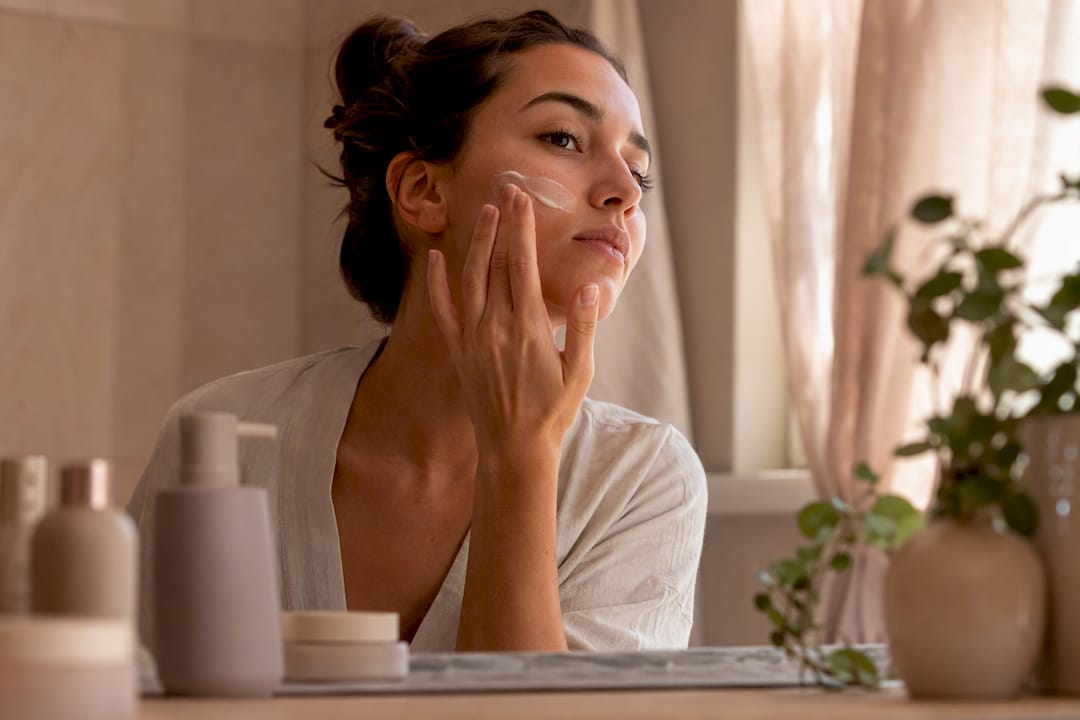
For sensitive or barrier-compromised skin, bakuchiol remains the most evidence-backed plant-based alternative to retinol and delivers comparable improvement with far less irritation. Depending on your goals, rosehip oil, azelaic acid, peptides, and sea buckthorn each fill a specific gap. Most people notice visible change around 8 to 12 weeks, and if you are pregnant or breastfeeding, several of these actives carry their own caution notes worth reading before you buy anything.
TL;DR:
Bakuchiol offers similar photoaging benefits to retinol with fewer skin irritations, especially suitable for sensitive, eczema-prone, or pregnant skin.
Natural oils like rosehip and carot seed mainly improve pigmentation and barrier health rather than cell turnover, making them gentler options.
Combining multiple actives simultaneously, such as bakuchiol, AHAs, and azelaic acid, increases irritation risk and should be done cautiously.
Clinical data show 12 weeks of bakuchiol use results in hyperpigmentation improvement in 59% of users, outperforming retinol in tolerability.
For persistent pigmentation or barrier issues, professional treatments like the Larimedical Biomimetic Peel often outperform over-the-counter serums.
Table of Contents
Natural Retinol Alternatives, Ingredient by Ingredient
Retinol works by binding to retinoic acid receptors in skin cells, speeding up cell turnover and stimulating collagen production. That mechanism is exactly why it irritates so many people. Redness, flaking, and stinging are common enough that entire product categories have grown around avoiding them. The ingredients below take different routes to similar destinations, and each one suits a different skin story.
Bakuchiol comes from the seeds of Psoralea corylifolia, a plant used in Ayurvedic and Chinese medicine long before skincare chemists isolated it. It does not bind retinoic acid receptors the way retinol does, but it activates similar downstream gene expression tied to collagen synthesis, which is why brands market it as a “retinol dupe” even though the chemistry is unrelated. A randomized, double-blind trial published in the British Journal of Dermatology found bakuchiol produced photoaging improvements comparable to retinol, with noticeably better tolerability. A separate 12-week comparison summarized by Harvard Health reported 59% of bakuchiol users saw hyperpigmentation improve, versus 44% of retinol users. Dermatologists at Cleveland Clinic point to it specifically for eczema-prone and sensitive skin because of its lower inflammation profile. Unlike retinol, bakuchiol does not carry a hard pregnancy warning, though most clinicians still recommend checking with your doctor before adding any active during pregnancy or while breastfeeding.
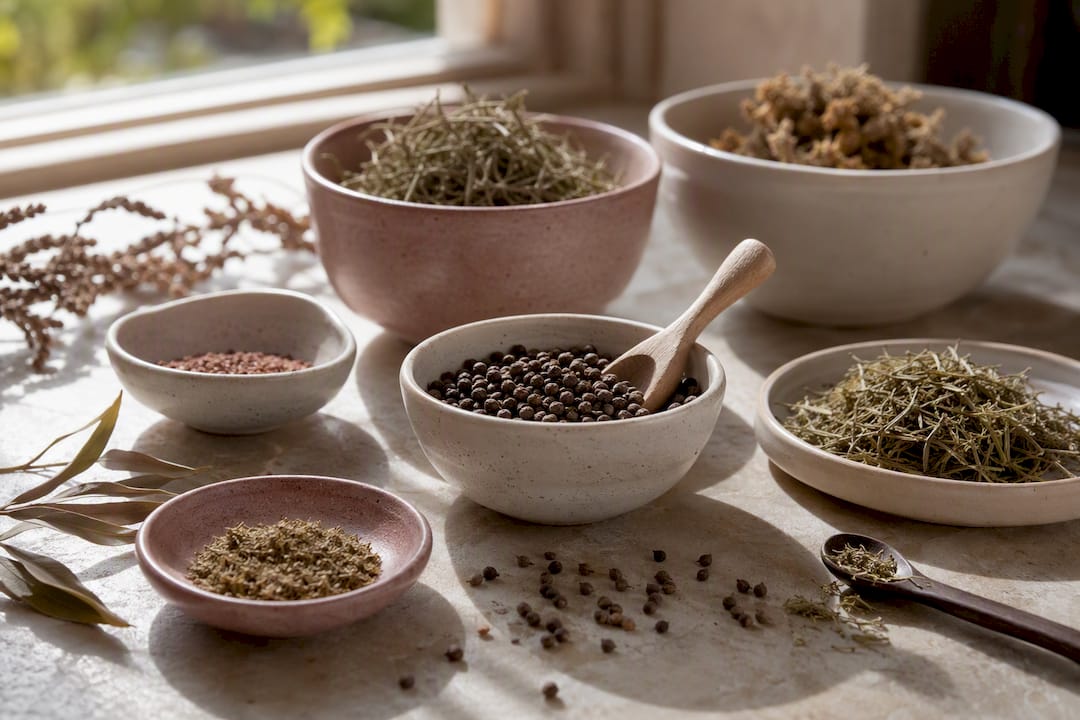
Rosehip oil and carrot seed oil both contain natural precursors related to vitamin A metabolism, plus fatty acids that reinforce the skin barrier while they work. Neither one delivers the receptor-driven punch of retinol, but both help fade post-inflammatory pigmentation and reduce moisture loss over time, according to a Byrdie roundup of natural retinol alternatives. They layer well under moisturizer and rarely cause the flaking retinol does, which makes them a sensible entry point if you have never used an active ingredient before.
Sea buckthorn, cacay, and rambutan oils lean harder into antioxidant defense than cell turnover. Sea buckthorn is rich in omega-7 fatty acids that support barrier repair; cacay oil carries more retinol-like fatty acid content than most plant oils on the market; rambutan seed extract shows promise for smoothing texture. None of these replace an active exfoliant on their own, but they pair well with one, cushioning the skin while a stronger ingredient does the heavier lifting.
Azelaic acid (usually 10 to 20%) targets pigmentation and inflammatory acne without the peeling retinol causes, making it a favorite for rosacea-prone and reactive skin.
Niacinamide (2 to 5%) calms redness, strengthens the barrier, and pairs safely with almost anything, including retinol itself.
Lactic and glycolic acids exfoliate gently at low concentrations, though they work through a different mechanism than retinoids and need their own tolerance-building schedule.
Peptides signal collagen production directly and carry essentially no irritation risk, which makes them a smart layering partner rather than a standalone retinol replacement.
For those wanting a genuinely advanced option, MBR (microalgae-derived bioretinoid) research shows in vitro and in vivo effects that match or exceed retinol in some measures while outperforming bakuchiol, according to findings published in PMC. It even shows a synergistic effect when combined with low-dose retinol, boosting results while lowering irritation. This is still emerging science, and you are more likely to encounter it in clinician-formulated products than on a drugstore shelf.
Pro Tip: If you are new to actives entirely, start with one ingredient at a time. Combining bakuchiol, an AHA, and azelaic acid in the same week is the fastest way to trigger the exact barrier breakdown you are trying to avoid.
How to Choose a Gentle Retinol Alternative for Reactive Skin
Not every “natural” label deserves your trust, and not every gentle-sounding ingredient is actually gentle at the concentration a brand chose to use. A short checklist saves you from expensive guesswork.
Look for cited clinical data, not just marketing language. Products that reference actual trial results, even briefly, are more trustworthy than ones that lean on the word “natural” alone. Experts caution against believing “retinol-equivalent” claims that lack head-to-head comparison data.
Check the INCI list for concentration clarity. Reputable brands often disclose percentage or place the active high enough in the ingredient list to matter.
Match formulation to your barrier state. Oil-based formulas (rosehip, cacay) suit dry or compromised barriers; lightweight aqueous serums suit oilier or acne-prone skin that cannot tolerate heavier textures.
Watch for risky pairings. A bakuchiol serum layered under a strong glycolic acid peel, for example, still stacks exfoliation and irritation risk even though neither ingredient is retinol.
Treat vague “natural” claims skeptically. Botanical does not automatically mean mild; some essential oils and fragrance-heavy “clean” products irritate more than a well-formulated retinol product would.
Know when to stop self-treating. Persistent pigmentation, ongoing barrier breakdown, or skin that reacts to everything you try are signals a home routine is not going to solve it alone. That is the point to book a professional skin consultation rather than buy another serum.
Building a Safe Routine Around Your Chosen Alternative
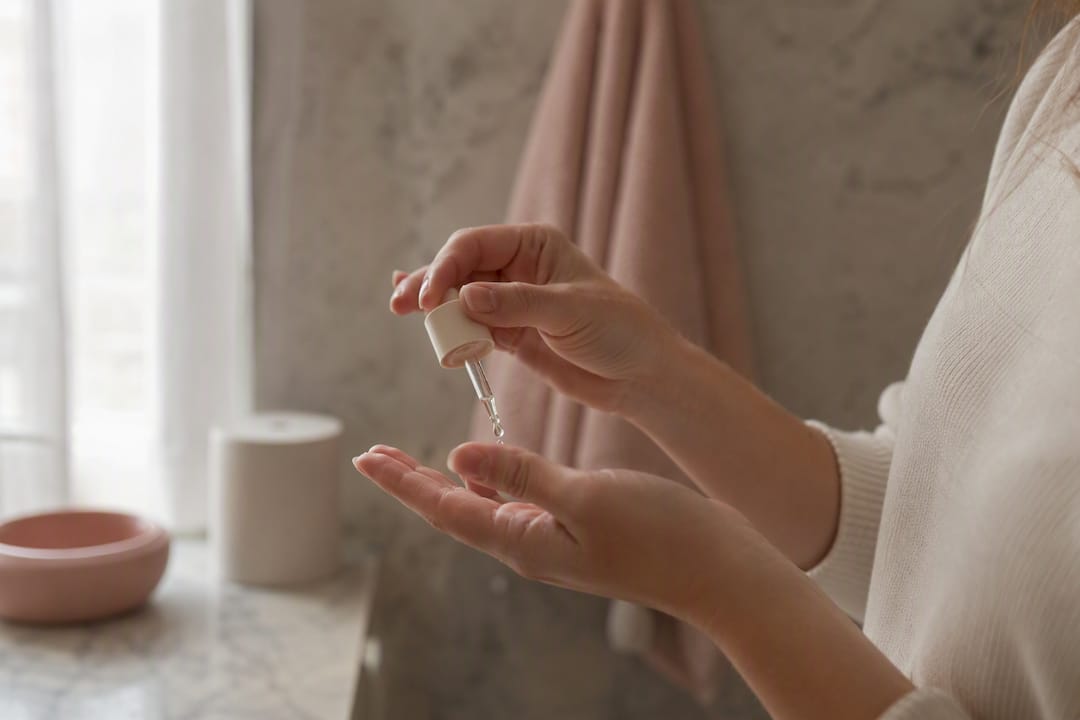
Introduce any new active the same way regardless of how “gentle” the label promises: slowly. Patch test on your inner arm for 48 hours, then apply to your face two to three nights a week for the first two weeks before increasing frequency.
Apply your active to clean, dry skin, then follow with a barrier-supporting moisturizer containing ceramides or squalane to buffer any tightness.
Bakuchiol and most plant oils are stable in daylight, but broad-spectrum SPF 30 or higher every morning is still non-negotiable, since collagen-stimulating ingredients can leave new skin more UV-reactive.
Mild tingling or slight dryness in the first two weeks is a normal adjustment reaction; persistent redness, burning, or peeling is not, and means you should scale back frequency or pause entirely.
If irritation appears, drop back to once or twice weekly, add a richer moisturizer for a few nights, and reintroduce the active gradually once your skin calms down.
Pro Tip: Apply your active ingredient before moisturizer on nights you use it, and skip it entirely the night after any facial treatment, at-home peel, or heavy sun exposure.
What the Clinical Research Actually Shows
The comparative data on bakuchiol is the strongest of any natural alternative. Twelve weeks of consistent use produced photoaging improvements statistically similar to retinol in the British Journal of Dermatology trial, with fewer reports of dryness and stinging along the way.
By the numbers: In one 12-week comparison, 59% of bakuchiol users saw hyperpigmentation improve, versus 44% of retinol users, while tolerating the ingredient noticeably better.
Separately, Vigna aconitifolia (moth bean) extract reduced crow’s feet wrinkles with efficacy reported comparable to 2.5% encapsulated retinol, a smaller but promising data point for retinol-averse skin around the eyes. MBR research adds another layer: strong in vitro and in vivo results, plus a documented synergy when paired with low-dose retinol. None of this replaces the need for longer, larger, head-to-head trials, and most studies still run shorter than a year. Twelve weeks is where change becomes visible; twelve months is where we would actually know how these ingredients hold up long-term.
When a Serum Is Not Enough
Home care solves plenty, but not everything. If pigmentation keeps returning, your barrier stays compromised no matter what you try, or your skin reacts to nearly every product, that pattern usually means the concern needs a trained eye. A clinician assessment can match active concentration to your exact skin condition, something a shelf product was never built to do.
— chevonne
A Clinician-Led Option for Skin That Needs More Than a Serum
When your skin has told you home care alone is not enough, the Larimedical Biomimetic Peel offers renewal without the downtime a traditional retinol peel demands. It is built around organic, plant-derived actives rather than aggressive acids, so it suits pigmentation, fine lines, and dull texture on skin that reacts to everything else you have tried.

The Biomimetic Peel + LED Therapy session combines that peel with light therapy to support collagen production and calm inflammation in the same visit, ideal if you want faster, supervised results instead of months of trial and error with over-the-counter actives. Every treatment starts with a consultation, where your concerns and skin history shape the active and concentration chosen for you rather than guessing off a label. If persistent pigmentation, redness, or barrier sensitivity has outlasted your patience for serums, book a consultation and let a Dermal Clinician map out the next step.
Sources
The bakuchiol and MBR findings referenced above come from the British Journal of Dermatology, PMC, and Harvard Health, with additional detail on natural actives for pigmentation.
This article is general information, not a substitute for advice from a qualified doctor. Consult a qualified healthcare professional about your own circumstances before acting on anything here.
Recommended
Comments