.png)
Prevent Pigmentation from Returning: Your 2026 Guide


Preventing pigmentation from returning is the result of consistent daily protection and a well-structured maintenance routine. Hyperpigmentation, the clinical term for excess melanin deposits that create dark spots and uneven skin tone, is highly prone to recurrence without ongoing care. The good news is that the right habits make a real difference. Daily broad-spectrum sunscreen rated SPF 50+ is the single most effective tool you have. Pair that with targeted active ingredients and smart lifestyle choices, and you give your skin the best chance at staying clear and even long term.
Why daily broad-spectrum sunscreen is your first defense
Sun protection is not optional for pigmentation-prone skin. Broad-spectrum sunscreens must block UVB, UVA, and high-energy visible light (HEVL) to be effective. Cloud cover only blocks 20% of UV rays, meaning 80% still reaches your skin on overcast days. That statistic matters because most people skip sunscreen when it looks cloudy, and that single habit is enough to undo months of treatment progress.
Visible light is the piece most people miss entirely. Tinted sunscreens with iron oxide block visible light far more effectively than untinted mineral or chemical options. Visible light independently triggers melanin production, especially in medium to deeper skin tones. If your sunscreen does not contain iron oxide, you are leaving a significant pigmentation trigger unaddressed.
Here is how to apply sunscreen correctly for pigmentation-prone skin:
Use a full quarter teaspoon for your face alone. Most people apply far less, which cuts SPF protection significantly.
Apply sunscreen as the last step in your morning routine, after moisturizer and before makeup.
Reapply every 2 hours during outdoor exposure. UV radiation, sweat, and friction all degrade sunscreen over time.
Reapply after swimming, toweling off, or heavy sweating, regardless of how much time has passed.
Choose a tinted SPF 50+ formula with iron oxide for full-spectrum protection.
Pro Tip: If reapplying over makeup feels difficult, use a tinted SPF powder or a spray sunscreen as your midday top-up. It is not as thorough as a full application, but it is far better than skipping reapplication entirely.
How to build a daily skincare routine that keeps pigmentation away
Photoprotection is the foundation, but a well-chosen routine of active ingredients sustains your results and keeps dormant melanocytes quiet. The key is building that routine carefully, not aggressively. Overloading your skin with multiple potent actives triggers irritation, and irritation activates melanocytes. That cycle of inflammation and pigment response is one of the most common reasons dark spots return after treatment.
A practical, layered routine looks like this:
Vitamin C serum (morning). Vitamin C inhibits the enzyme tyrosinase, which drives melanin production. It also neutralizes free radicals from UV and pollution, giving your sunscreen a biochemical backup. Apply it to clean skin before moisturizer.
Niacinamide (morning or evening). Niacinamide blocks melanin transfer from melanocytes to the surface skin cells where it becomes visible. This makes it one of the most practical maintenance ingredients available, and it suits sensitive skin well.
Retinoids (evening, 2–3 nights per week). Retinoids speed up cell turnover, helping to push pigmented cells to the surface where they shed faster. Start at a low concentration and increase slowly. Rushing this step causes the very irritation you are trying to avoid.
Barrier-supporting moisturizer (morning and evening). A compromised skin barrier triggers inflammation, which triggers pigmentation. Ingredients like ceramides, hyaluronic acid, and squalane repair and maintain barrier function without adding irritation risk.
Sunscreen SPF 50+ with iron oxide (every morning, no exceptions). Sun protection enables every other ingredient to do its job. Without it, actives like Vitamin C and retinoids cannot hold your results.
Pro Tip: Do not layer Vitamin C and niacinamide in the same step if your skin is reactive. Apply Vitamin C first, let it absorb for a few minutes, then follow with niacinamide. Most people tolerate them together fine, but sensitive skin benefits from the separation.
For guidance on adjusting your routine for pigmentation-prone skin, the approach matters as much as the ingredients you choose.
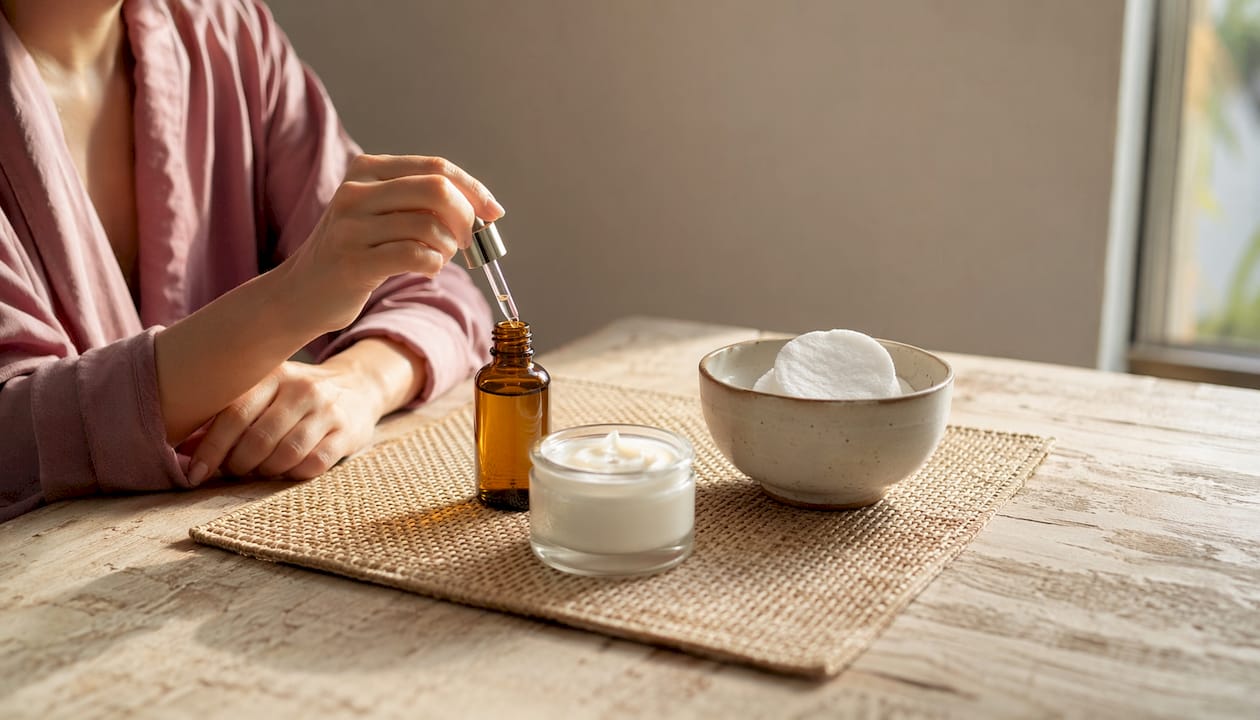
What lifestyle habits trigger pigmentation recurrence?
Your skincare routine only controls part of the picture. Environmental and lifestyle factors can reactivate pigmentation even when your product routine is solid. Knowing these triggers helps you protect against pigmentation from angles your serum cannot reach.
Heat. Heat independently stimulates melanocytes through thermal activation, separate from UV exposure. This is particularly relevant for melasma. Avoid prolonged heat exposure from saunas, hot yoga, and steam rooms during active treatment phases. Cooling your skin with a cold compress or mist after heat exposure reduces vasodilation and lowers pigment activation risk.
Mechanical irritation. Picking, rubbing, and friction are cumulative pigment triggers. Post-inflammatory hyperpigmentation forms whenever the skin experiences injury or inflammation. This includes aggressive scrubbing, tight clothing rubbing against treated areas, and touching your face repeatedly throughout the day.
Hormonal fluctuations. Hormonal changes, including those from pregnancy, oral contraceptives, and perimenopause, directly influence melasma and other hormonally driven pigmentation. Managing these triggers often requires input from a dermatologist or GP alongside your skincare routine.
Diet, hydration, and sleep. Chronic dehydration and poor sleep elevate cortisol, which promotes systemic inflammation. That inflammation feeds the same melanocyte activation cycle that causes pigmentation to return. Prioritizing sleep and hydration supports your skin’s ability to repair and stay calm.
Stress. Psychological stress raises cortisol and promotes inflammatory pathways in the skin. While stress alone rarely causes pigmentation, it lowers your skin’s threshold for reacting to other triggers.
Pairing these lifestyle adjustments with a solid post-treatment skin protection plan gives you the most complete defense against recurrence.
How long should you continue brightening treatments after spots fade?

This is where most people make a critical mistake. Visible fading does not mean the underlying melanocyte activity has stopped. Continuing brightening treatments for 2–3 months after spots appear to have faded addresses residual melanin sitting in deeper skin layers. Stopping too early allows dormant melanocytes to reactivate, and the spots return faster than they faded.
The right approach is tapering, not stopping. Reduce frequency or concentration of active ingredients gradually rather than cutting them out entirely. For example, if you have been using a brightening serum daily, move to every other day for a month before reassessing. This keeps melanocyte activity suppressed without over-treating skin that no longer needs intensive intervention.
Phase | Approach | Goal |
Active treatment | Daily brightening actives at full concentration | Fade visible spots |
Early maintenance (months 1–2 post-fading) | Daily actives at same or slightly reduced concentration | Address residual deep melanin |
Late maintenance (months 2–3 post-fading) | Reduce frequency to every other day | Suppress melanocyte reactivation |
Long-term prevention | Ongoing sunscreen, niacinamide, periodic retinoid use | Prevent new pigmentation forming |
Scheduling a skin review with a qualified clinician at the 3-month mark helps you assess whether your skin has stabilized or needs continued active support. The 2026 guide to pigmentation best practices covers how to structure these reviews and what to look for in your skin’s response over time.
Key Takeaways
Preventing pigmentation from returning requires consistent photoprotection, carefully chosen active ingredients, and a gradual tapering of treatment rather than an abrupt stop.
Point | Details |
Sunscreen is non-negotiable | Use SPF 50+ with iron oxide daily, indoors and outdoors, and reapply every 2 hours outside. |
Visible light matters | Tinted sunscreens with iron oxide block HEVL, a pigmentation trigger that untinted formulas miss. |
Build your routine slowly | Introduce actives one at a time to avoid irritation-driven melanocyte activation and pigmentation relapse. |
Keep treating after fading | Continue brightening ingredients for 2–3 months post-fading to address deep melanin and prevent recurrence. |
Lifestyle triggers are real | Heat, friction, hormonal shifts, and poor sleep all reactivate pigmentation independently of sun exposure. |
What 15 years of treating pigmentation has taught me
The most common mistake I see is not under-treating. It is over-treating. Clients come in after fading their spots beautifully, then they add three new actives at once because they want to “lock in” their results. Within weeks, their skin is inflamed, and the pigmentation is back, often darker than before.
Irritation is the enemy of even skin tone. Every time the skin becomes inflamed, melanocytes read that as a signal to produce more pigment. The clients who maintain the best long-term results are not the ones with the most complex routines. They are the ones who protect their skin consistently and treat it gently.
I also think the skincare industry undersells how much visible light contributes to pigmentation. Clients are diligent about UV protection but skip tinted sunscreen because they prefer the finish of a clear formula. That gap in protection is often exactly why their melasma keeps returning despite doing “everything right.”
The honest truth about long-term pigmentation control is that it is 80% protection and 20% treatment. Patience and consistency will always outperform intensity and speed.
— chevonne
Fundamentalskin treatments that support your long-term results
Maintaining clear, even skin between professional treatments is absolutely possible with the right daily habits. And when you are ready to take your results further, Fundamentalskin offers clinical treatments designed to complement exactly the kind of maintenance routine described here.

The Larimedical Biomimetic Peel targets pigmentation at a cellular level without downtime, making it a practical option for ongoing maintenance. The Biomimetic Peel + LED Therapy combines peel action with LED light to support skin barrier health and even tone. For pigmentation-prone skin needing a gentler approach, the Synergie Peel offers a well-tolerated option with visible brightening results. Chevonne works with each client to build a personalized plan that fits where your skin is right now. BOOK NOW to start your consultation.
FAQ
What is the best sunscreen to prevent skin discoloration?
A tinted SPF 50+ sunscreen containing iron oxide provides the broadest protection by blocking UVB, UVA, and visible light. Visible light is a significant pigmentation trigger that untinted formulas do not address.
How do I stop pigmentation from coming back after treatment?
Continue using brightening ingredients for 2–3 months after visible spots fade, then taper to a maintenance schedule. Stopping treatment too early allows dormant melanocytes to reactivate and dark spots to return.
Can heat cause dark spots to return?
Yes. Heat independently stimulates melanocytes through thermal activation, separate from UV exposure. Cooling the skin after heat exposure and avoiding prolonged heat sources like saunas reduces this risk.
Does niacinamide help with long-term pigmentation care?
Niacinamide blocks the transfer of melanin to surface skin cells, reducing visible pigmentation over time. It suits sensitive skin well and works effectively as a daily maintenance ingredient alongside sunscreen.
How often should I reapply sunscreen to protect against pigmentation?
Reapply sunscreen every 2 hours during outdoor exposure, and immediately after swimming or heavy sweating. Consistent reapplication matters more than SPF number alone for pigmentation-prone skin.
Recommended
Comments