.png)
Targeted Skin Treatment Explained: Your Complete Guide
- chevonne stewart
- 1 day ago
- 8 min read


Targeted skin treatment is a personalized skincare method that addresses specific concerns, such as pigmentation, aging, and redness, by selecting active ingredients and therapies matched to your unique skin profile. Unlike generic routines that apply the same products to every skin type, targeted skin therapy works from a detailed understanding of your skin’s individual needs. Nearly 2 in 3 women lack knowledge of their correct skin type, which means most people are using products that were never designed for their actual concerns. Getting this right is the foundation of skin health that lasts.
What is targeted skin treatment explained?
Targeted skin treatment is defined as a clinical approach that selects specific active ingredients and therapies based on an individual’s skin profile rather than broad skin type categories. The method considers genetic predispositions, hormonal fluctuations, and environmental factors to address root causes rather than surface symptoms. This is what separates it from the generic “one size fits all” products lining most pharmacy shelves.
A standard skincare routine treats skin as a category. Targeted skin therapy treats it as a system unique to you. The difference shows up in results: fewer adverse reactions, faster visible improvement, and treatments that actually match what your skin needs right now.
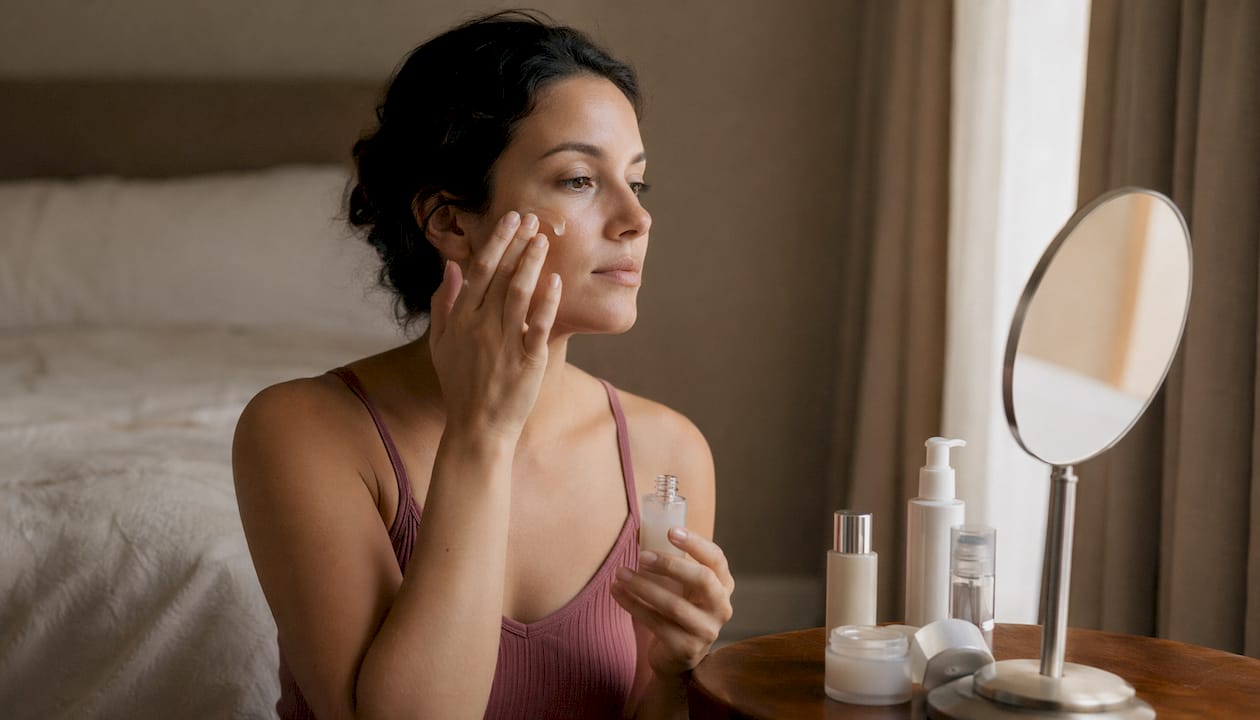
Understanding targeted skin care starts with recognizing that your skin changes. Hormones, seasons, stress, and age all shift your skin’s behavior. A treatment plan built on real skin data adapts to those changes rather than staying fixed on a label like “oily” or “sensitive.”
Pro Tip: Before purchasing any active ingredient, get a professional skin analysis first. Knowing your skin’s actual pH, moisture level, and sebum production prevents wasted money and avoidable irritation.
How does targeted skin treatment work to address skin concerns?
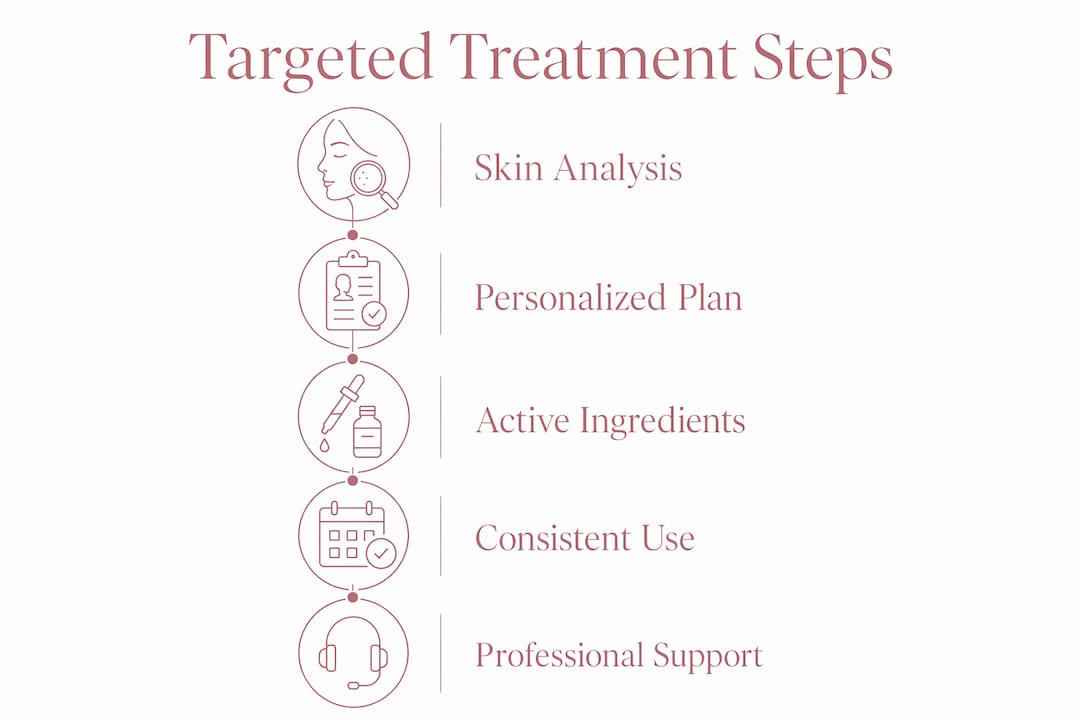
Targeted treatment begins with skin analysis. A thorough assessment measures factors including sebum production, moisture content, skin elasticity, and sensitivity. These data points guide which active ingredients will work and at what concentration. Without this step, even high-quality products can cause irritation or deliver no benefit.
Once the skin profile is established, ingredient selection becomes specific. Common actives used in targeted skin therapy include:
Niacinamide: Reduces hyperpigmentation, strengthens the skin barrier, and calms redness
Retinol: Stimulates collagen production and accelerates cell turnover for aging concerns
Vitamin C: Brightens uneven skin tone and protects against environmental damage
Azelaic acid: Targets post-inflammatory pigmentation and rosacea-related redness
Peptides: Support skin firmness and reduce the appearance of fine lines
Formulation matters as much as ingredient choice. A 2% niacinamide serum and a 10% niacinamide serum serve very different purposes. Concentration, delivery format, and application timing all affect how well an active ingredient performs. A targeted plan accounts for all three.
Personalized ingredient selection also reduces the risk of adverse reactions by matching products to your tolerance and skin characteristics. This is especially relevant for people with sensitive skin or conditions like rosacea, where the wrong product can worsen symptoms rather than improve them.
Pro Tip: If you are new to active ingredients, start with the lowest available concentration. Your skin’s tolerance builds over time, and starting low gives you a clear baseline to measure results against.
What are common types of targeted skin treatments for pigmentation and aging?
Targeted treatments fall into two broad categories: topical actives you apply at home and professional clinical treatments delivered in a clinic setting. Both have a role, and the best outcomes usually combine them.
Topical actives for home use
The most widely used topical actives for pigmentation and aging include niacinamide, retinol, vitamin C, and azelaic acid. Each targets a different mechanism. Retinol works by speeding up cell turnover, which fades dark spots and softens fine lines over time. Vitamin C blocks the enzyme that produces excess melanin, making it one of the most direct tools for treating hyperpigmentation. Azelaic acid reduces both pigmentation and inflammation, making it well suited for skin dealing with redness alongside uneven tone.
Professional clinical treatments
Clinical treatments reach deeper layers of the skin than topical products can. Chemical peels remove damaged surface cells and stimulate renewal. Microneedling creates controlled micro-injuries that trigger collagen production, which firms skin and reduces the appearance of fine lines. Laser therapies target specific chromophores in the skin. For example, sebum-selective 1,726-nm laser therapy has shown clinical improvement for rosacea with no significant side effects, demonstrating how precise professional treatments can be when matched to the right concern.
The table below compares the most common targeted treatment types by concern and mechanism.
Treatment type | Primary concern | Mechanism |
Niacinamide serum | Pigmentation, redness | Inhibits melanin transfer, strengthens barrier |
Retinol | Aging, fine lines | Accelerates cell turnover, boosts collagen |
Vitamin C serum | Uneven tone, dullness | Blocks melanin production, antioxidant protection |
Chemical peel | Pigmentation, texture | Removes damaged surface cells, stimulates renewal |
Microneedling | Aging, scarring | Triggers collagen via controlled micro-injury |
Laser therapy | Rosacea, pigmentation | Targets specific skin chromophores with precision |
For a broader look at non-invasive skin treatments available in 2026, the options have expanded significantly beyond what was accessible even five years ago.
How to build an effective targeted skin treatment routine
Building a targeted routine requires patience and a clear sequence. Rushing the process by adding multiple actives at once is the most common mistake people make. Introducing one active ingredient at a time over 4–8 weeks improves tolerance and makes it possible to identify what is working and what is causing irritation.
Follow this sequence when building your routine:
Establish a baseline routine first. A stable skin barrier built on cleanser, moisturizer, and SPF 30+ sunscreen is the foundation. Use this routine consistently for two to four weeks before adding any active ingredient.
Introduce one targeted active. Choose the ingredient that addresses your primary concern. Apply it at the recommended frequency, usually two to three times per week to start.
Monitor for four to six weeks. Track changes in skin texture, tone, and any signs of irritation. Take photos in consistent lighting to see real progress.
Adjust before adding more. If the first active is well tolerated and showing results, you can consider adding a second. If irritation appears, reduce frequency before increasing it again.
Protect your investment with sunscreen. Most targeted actives, especially retinol and vitamin C, increase photosensitivity. Daily SPF use is not optional when using these ingredients.
Most people notice initial improvements from a personalized targeted routine within 4–6 weeks, with significant changes visible by 8–12 weeks. Consistency matters more than the number of products in your routine.
Pro Tip: Keep a simple skin diary. Note the date you introduced each product, the frequency of use, and any changes you observe. This record becomes invaluable when you consult a skin professional.
What professional support enhances targeted treatment effectiveness?
Professional guidance shortens the path to results. A Dermal Clinician or dermatologist assesses your skin with tools that go beyond what you can observe at home. Advanced skin analysis devices measure sebum levels, moisture content, and elasticity with clinical accuracy. These measurements remove guesswork and allow the clinician to build a treatment plan grounded in real data rather than general advice.
Medical-grade skincare treatment planning includes considerations of pigmentation risk, sensitivity, and tolerance for downtime. This level of clinical reasoning distinguishes professional care from general spa services. The difference is not just in the products used but in the decision-making process behind them.
Key benefits of professional skin consultation include:
Accurate identification of your skin type and specific concerns
Access to medical-grade actives at concentrations not available over the counter
Customized treatment sequencing that reduces the risk of irritation
Ongoing monitoring and adjustment as your skin responds and changes
Guidance on combining home care with in-clinic treatments for compounding results
The benefits of a personalized skin consultation extend beyond the treatment itself. Knowing exactly what your skin needs, and why, builds the kind of confidence that keeps you consistent. Consistency is what delivers lasting results.
Home care and clinical treatments work best together. A professional peel or laser session creates a window of accelerated renewal. The right home routine maintains and extends those results between appointments. Neither works as well in isolation.
Key Takeaways
Targeted skin treatment delivers better results than generic skincare because it matches specific active ingredients and clinical therapies to your individual skin profile, concerns, and tolerance.
Point | Details |
Skin analysis comes first | Measure sebum, moisture, and elasticity before selecting any active ingredient or treatment. |
One active at a time | Introduce targeted ingredients gradually over 4–8 weeks to build tolerance and identify results. |
Results take time | Expect initial improvements at 4–6 weeks and significant changes by 8–12 weeks with consistent use. |
Professional care amplifies results | Clinical treatments and medical-grade actives reach deeper than home products and accelerate outcomes. |
Sunscreen is non-negotiable | Most targeted actives increase photosensitivity, making daily SPF protection a core part of any routine. |
What 15 years of skin work taught me about targeted treatment
After 15 years working with clients on pigmentation, aging, and redness, the single biggest pattern I see is this: people come in having used good products in the wrong order, at the wrong concentration, for the wrong skin type. They are not lazy or uninformed. They are following advice that was never designed for their specific skin.
The clients who see the most dramatic results are not the ones with the most products. They are the ones who commit to a focused plan, introduce changes slowly, and stay consistent. I have seen stubborn melasma respond beautifully to a well-sequenced combination of azelaic acid at home and a clinical peel in the clinic. I have also seen the same concern worsen when someone layered too many actives too fast.
What most people underestimate is how much the skin changes over time. A routine that worked at 30 may not serve you at 45. Hormonal shifts, sun exposure history, and changes in skin barrier function all require a plan that evolves. That is why I always recommend a professional reassessment at least once a year, even for clients whose skin is performing well.
The most encouraging thing I can tell you is that targeted skin therapy genuinely works. The science is solid, the results are visible, and the path is clearer than most people think. You do not need a complicated routine. You need the right one.
— chevonne
Personalized skin treatments at Fundamentalskin
Fundamentalskin offers clinical skin treatments designed specifically for women dealing with pigmentation, aging, redness, and fine lines. Every treatment plan starts with a professional skin assessment led by Chevonne, a Dermal Clinician with 15 years of experience, to identify exactly what your skin needs.

The Larimedical Peel is one of Fundamentalskin’s signature treatments, delivering targeted skin renewal without downtime using Australia-sourced organic ingredients. For clients seeking a combination approach, the Biomimetic Peel + LED Therapy pairs deep skin renewal with light therapy for accelerated results. Book your consultation today and get a treatment plan built around your skin, not a generic category.
FAQ
What is targeted skin treatment?
Targeted skin treatment is a personalized approach that selects specific active ingredients and therapies based on an individual’s skin profile, including genetic, hormonal, and environmental factors. It addresses root causes of skin concerns rather than applying generic products to broad skin type categories.
How long does targeted skin therapy take to show results?
Most people see initial improvements within 4–6 weeks of consistent use, with significant visible changes by 8–12 weeks. Results depend on the concern being treated, the actives used, and how consistently the routine is followed.
What skin concerns does targeted treatment address?
Targeted skin therapy effectively addresses pigmentation, hyperpigmentation, aging, fine lines, redness, rosacea, and dull skin texture. Each concern requires a different set of active ingredients and, in many cases, a combination of home care and professional clinical treatment.
Can I build a targeted routine at home without professional help?
You can start a targeted routine at home by introducing one active ingredient at a time and monitoring your skin’s response. Professional consultation significantly improves outcomes by providing accurate skin analysis and access to medical-grade treatments not available over the counter.
What is the difference between medical-grade and over-the-counter targeted treatments?
Medical-grade treatments use higher concentrations of active ingredients and are selected based on clinical skin assessment, including pigmentation risk and sensitivity. Over-the-counter products are formulated for general use and cannot match the precision or depth of clinical skincare treatment delivered by a qualified professional.
Recommended
Comments