.png)
Beats Hydroquinone in Trials: How to Use Azelaic Acid for Melasma

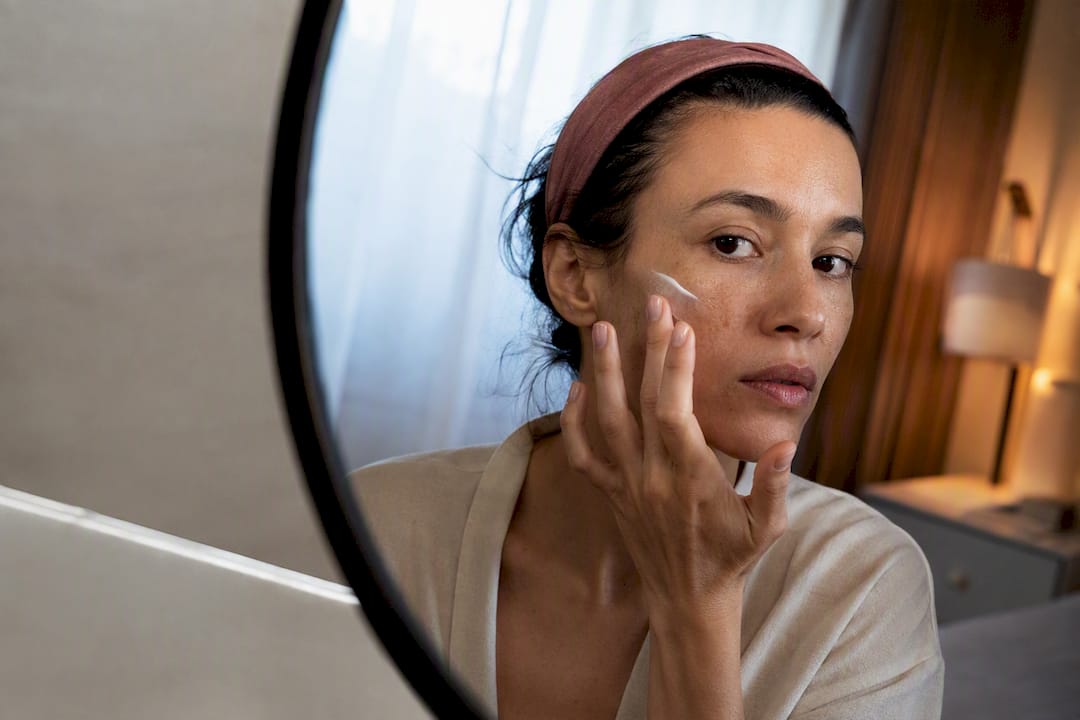
Azelaic acid is an evidence-backed, well-tolerated topical option for many people with melasma, typically used as a gel or cream once or twice daily. Most people see visible fading with consistent use over several months, and research suggests it performs comparably to hydroquinone with a gentler safety profile over time. Persistent or stubborn patches still warrant a proper skin consultation before you commit to any regimen.
TL;DR:
Clinical trials show azelaic acid can outperform hydroquinone in reducing melasma severity, but larger, longer studies are needed for conclusive evidence.
Formulation choice, including concentration and delivery system, significantly influences efficacy and tolerability, making product-building as important as ingredient percentage.
Regular, consistent use over three to six months yields the best results, with early irritation manageable by buffering with moisturizer rather than discontinuing.
Azelaic acid is generally well tolerated across skin types, including darker tones, and is considered safer for long-term maintenance than hydroquinone, especially during pregnancy.
Combining azelaic acid with retinoids or other treatments can accelerate results, but adherence remains the key to long-term success in managing melasma.
Table of Contents
How Azelaic Acid Works on Melasma Pigment
Azelaic acid does not bleach skin indiscriminately. It works through a more selective mechanism, which is part of why dermal clinicians favor it for long-term pigmentation management.
The main pathway is tyrosinase inhibition. Tyrosinase is the enzyme that drives melanin production, and azelaic acid blocks its activity inside pigment-producing cells. What makes this ingredient interesting is its apparent preference for abnormal or hyperactive melanocytes over normal ones, according to the comprehensive review of azelaic acid’s pharmacological properties. That selectivity matters clinically. It means azelaic acid tends to target the overactive pigment cells responsible for melasma patches while leaving surrounding, normally functioning skin alone, which lowers the risk of blotchy or uneven lightening.
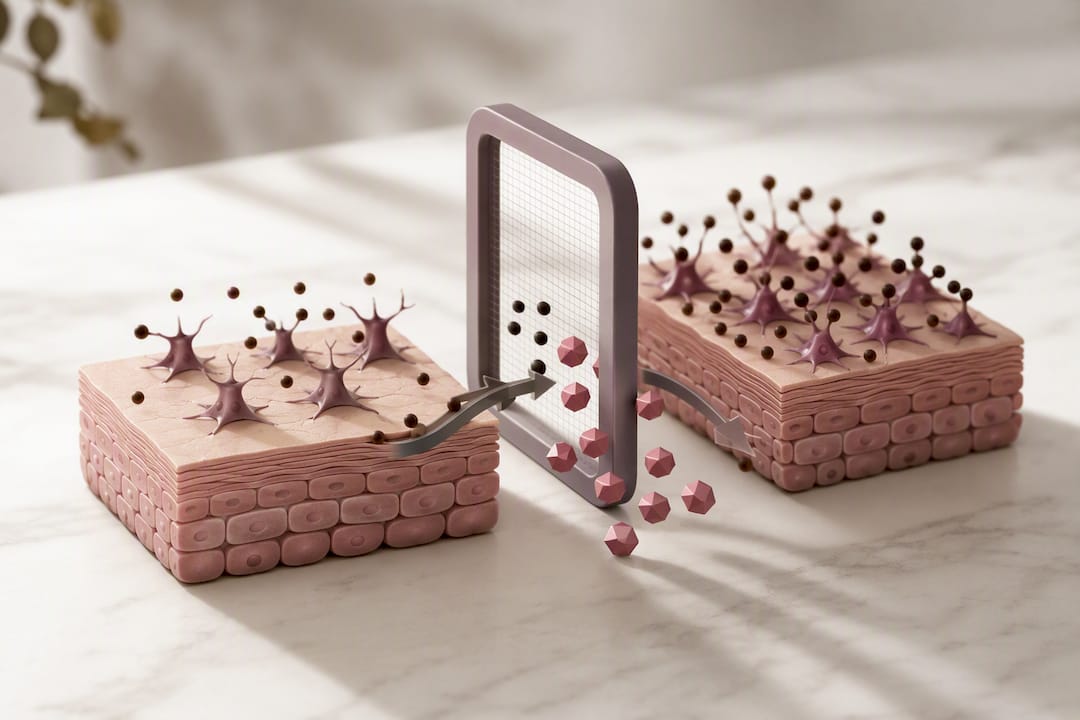
Azelaic acid also carries anti-inflammatory properties. Melasma frequently overlaps with post-inflammatory hyperpigmentation, especially after sun exposure, hormonal shifts, or skin trauma from previous treatments. By calming inflammatory signaling in the skin, azelaic acid addresses two problems at once: the pigment itself and the inflammatory trigger that can keep producing more of it.
Formulation changes how well any of this actually happens on your skin:
20% cream tends to suit drier or more sensitive skin, since the vehicle is more emollient and buffers irritation.
15% gel penetrates faster and often feels lighter, which some people prefer for oilier or combination skin.
Newer delivery systems, including liposomal and nanocarrier formulations, are being developed specifically to improve how much active ingredient reaches the pigment-producing layer without increasing surface irritation.
Vehicle choice affects both absorption and comfort, so a formulation that irritates one person’s skin may barely register on another’s.
This is why two people using “the same ingredient” can report very different results. The percentage on the label only tells part of the story. What the product is built around matters just as much.
Azelaic Acid Versus Hydroquinone: What the Trials Actually Found
The most direct evidence comes from a 2023 systematic review and meta-analysis pooling six randomized controlled trials and 673 patients. It found azelaic acid produced a greater reduction in Melasma Area and Severity Index (MASI) scores than hydroquinone, with a mean difference of -1.23 (95% CI -2.05 to -0.40) favoring azelaic acid.
The data point that changes the conversation: In randomized trials, azelaic acid showed greater improvement on MASI reduction than hydroquinone. However, the review’s authors caution that larger, longer trials are needed before calling this a settled question.
That is a meaningful finding, not a marginal one, but it comes with real caveats. The included trials varied in duration, hydroquinone concentration, and population, which is why the review’s authors call for larger, longer studies before drawing firm conclusions. Evidence quality here is solid but not definitive.
Individual trials fill in more texture:
Azelaic acid formulations around 20% have been shown to perform comparably to standard prescription hydroquinone in several head-to-head studies.
Some trials found azelaic acid to perform better than lower concentration hydroquinone preparations common in retail products.
A broader systematic review across acne, rosacea, and melasma indications found azelaic acid 20% significantly outperformed vehicle alone and matched several active comparators.
Where does that leave tranexamic acid and retinoids? Neither replaces azelaic acid so much as complements it. Oral tranexamic acid works through an entirely different pathway, reducing the plasmin activity that stimulates melanocyte activity, and clinicians often reserve it for moderate to severe melasma that has not responded adequately to topical therapy alone. Retinoids like tretinoin accelerate cell turnover and help topical actives penetrate more evenly, which is why combination regimens frequently outperform any single ingredient used alone.
Niacinamide sits in a different tier of evidence altogether. It has a reasonable safety record and modest data supporting mild brightening effects, but nothing close to the randomized trial base behind azelaic acid for melasma specifically. If you are choosing between the two based on trial strength rather than marketing claims, azelaic acid currently has the stronger case.
Hydroquinone still works, and for some patients it works faster in the short term. But the trade off is a narrower long-term safety margin, which the next section covers in detail.
How to Use Azelaic Acid for Melasma: Concentration, Order, and Timeline
Getting results from azelaic acid has less to do with the percentage on the tube and more to do with consistency and layering. Here is a routine grounded in how the ingredient actually behaves on skin.
Cleanse first. A gentle, non-stripping cleanser prevents added irritation before you introduce an active ingredient.
Apply azelaic acid to fully dry skin. Moisture on the skin surface can increase stinging, especially with the gel formulation.
Use a pea-sized amount for the full face, working outward from the pigmented areas rather than concentrating product only where the melasma sits.
Follow with a fragrance-free moisturizer if you are using the 15% gel, since it has a lighter, sometimes drying base compared with the 20% cream.
Finish every morning application with a broad-spectrum, mineral-forward sunscreen. Melasma is UV-driven, and skipping this step undermines the previous four steps entirely. A guide to choosing sunscreen for pigmented skin covers formulation details worth knowing.
Introduce retinoids separately, either on alternating nights or at a different time of day, rather than layering them directly on top of azelaic acid when you’re starting out.
Most regimens call for once or twice daily application, with clinicians sometimes starting at a lower frequency to gauge tolerance before increasing.
Pro Tip: If your skin stings noticeably in the first few weeks, apply azelaic acid over a thin layer of moisturizer rather than stopping altogether. This “buffering” technique reduces direct contact with more reactive skin while you build tolerance, and most people can move to direct application within a month.
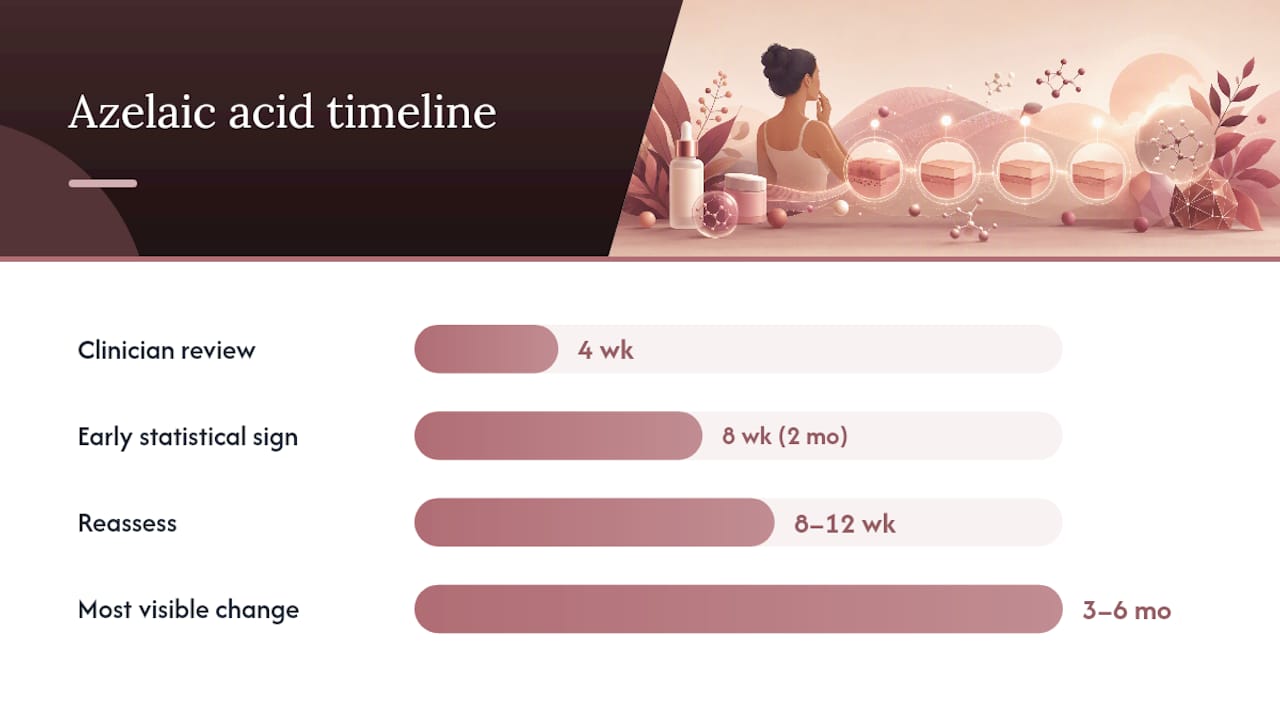
On timeline, be realistic. Some trials have detected statistically significant MASI improvement as early as two months, but most of the meaningful, visible change documented in clinical reviews happens between three and six months of consistent use. Reassess at the eight to twelve week mark. If you are seeing gradual fading, stay the course. If pigment looks unchanged or has darkened, or if irritation is not settling after four weeks, that is the point to bring in a clinician rather than switching products on your own.
Side Effects and Who Benefits Most From Azelaic Acid
Local skin reactions are the most common issue, and they follow a fairly predictable pattern. Burning or stinging on application, mild dryness, and occasional flaking show up most often in the first four to twelve weeks, according to clinical review data on azelaic acid tolerability. These reactions are usually transient rather than a sign the product is wrong for you.
Managing them is straightforward:
Start with once-daily application for the first one to two weeks before moving to twice daily.
Apply over moisturizer initially if stinging is bothersome.
Avoid combining with other exfoliating acids or high-strength retinoids until your skin has adjusted.
Stop and consult a clinician if you notice swelling, blistering, or reaction spreading beyond the application area, which suggests true irritant or allergic contact dermatitis rather than expected adjustment stinging.
One of the more clinically important findings involves skin of color. Azelaic acid is generally well tolerated across Fitzpatrick phototypes IV through VI, and it carries a lower risk of paradoxical darkening or long-term complications compared with prolonged hydroquinone use. That distinction is not academic. Hydroquinone, used continuously over months or years, carries a rare but documented risk of exogenous ochronosis, a stubborn blue-gray discoloration that is difficult to reverse. Azelaic acid does not carry that same long-term liability, which is a major reason clinicians increasingly favor it for patients who need extended maintenance therapy rather than a short course.
Pregnancy and breastfeeding deserve a direct note. Azelaic acid is often regarded as a safer topical option for melasma during pregnancy compared with retinoids and hydroquinone, which are generally avoided. That said, “generally considered safer” is not the same as “cleared for everyone,” and anyone pregnant, breastfeeding, or managing a separate skin condition should confirm suitability with a doctor or dermal clinician before starting. Regulatory labeling also varies by country. Checking guidance through a body like the Therapeutic Goods Administration is worthwhile if you want to understand how azelaic acid is officially classified where you live.
Combining Azelaic Acid With Other Treatments and Keeping Results
Azelaic acid rarely works alone in a well-designed melasma plan. It works alongside other treatments, and the combination data is where some of the most useful clinical evidence lives.
Pairing azelaic acid 20% with tretinoin has produced earlier visible lightening in trials than azelaic acid used by itself, which matters when someone wants faster results and can tolerate the added dryness retinoids bring. Combinations with hydroquinone have also shown accelerated improvement in some studies, often used as a short-term bridge before transitioning to azelaic acid alone for maintenance. For melasma that resists topical therapy, clinicians sometimes add oral tranexamic acid or move to in-clinic procedures such as pigmentation peels, particularly when patches have been stable but unresponsive for several months.
A realistic maintenance plan looks something like this:
Daily broad-spectrum sunscreen, non-negotiable, reapplied through the day rather than applied once each morning.
Continued azelaic acid at a reduced frequency, such as three to four nights per week, once initial clearing is achieved.
Periodic review, roughly every three months, to catch early signs of relapse before it becomes visually significant.
A shift back to full-strength daily application if patches begin returning, rather than waiting until pigment is fully back.
Melasma is chronic and UV-reactive by nature, so relapse is common rather than exceptional, particularly for people with strong hormonal or genetic predisposition. A prevention-focused maintenance plan built around consistent sun protection is what separates people who keep their results from people who see pigment creep back within a year. Treating azelaic acid as a finite “fix” rather than an ongoing maintenance tool is one of the more common mistakes people make with melasma care generally.
What We See in the Clinic: Adherence and Troubleshooting
The biggest predictor of success with azelaic acid isn’t the concentration on the label. It’s whether someone sticks with it through the first month.
Most people who abandon azelaic acid do it in weeks two or three, right when mild stinging or dryness peaks and before any visible pigment change has had time to show up. That gap between “annoying” and “working” is where adherence breaks down, and it’s the single most common issue we coach clients through. The fix is rarely a different product. It’s usually a slower introduction schedule, a buffering technique with moisturizer, or simply setting expectations correctly from the first consultation so the early discomfort doesn’t get mistaken for treatment failure.
Deciding between azelaic acid alone versus a combination approach comes down to a few practical questions:
How much pigment depth and duration are we dealing with? Longstanding, deep melasma usually benefits from combination therapy from the outset.
Can the person’s skin tolerate a retinoid alongside azelaic acid, or does sensitivity mean starting with azelaic acid solo first?
Is there a triggering factor, such as hormonal contraception or unmanaged sun exposure, that needs addressing alongside any topical regimen?
Has topical therapy alone plateaued after four to six months, which is often the signal to consider in-clinic options like a biomimetic peel or oral tranexamic acid under medical supervision?
Pro Tip: Keep a simple photo log, same lighting, same angle, every two weeks. Pigment changes gradually enough that day-to-day comparison feels discouraging, but a four-week comparison usually reveals progress that reassures clients enough to stay consistent.
Get Personalized Guidance for Your Melasma
Azelaic acid gives you a genuinely evidence-backed starting point, but melasma responds differently depending on skin type, hormonal factors, and how long pigment has been present. A tailored assessment catches details a generic routine cannot, including whether combination therapy or an in-clinic step would move things along faster.
A Biomimetic Peel + LED Therapy pairs a non-invasive peel with light therapy to target pigmentation and texture without downtime and can be administered by an experienced dermal clinician. If topical azelaic acid has plateaued or you want a plan built around your specific skin, booking a consultation is the next logical step rather than guessing your way through another product.
An Editorial Take on Where Azelaic Acid Really Fits
The conventional wisdom treats azelaic acid as the “gentler but weaker” alternative to hydroquinone. The meta-analysis evidence does not support that framing. A mean MASI difference of 1.23 points favoring azelaic acid, across nearly 700 patients, is not a consolation prize. It’s a legitimate case for making azelaic acid the first-line choice rather than the fallback.
What conventional advice gets wrong is treating melasma treatment as a product decision instead of an adherence problem. Most failures I’d expect to see are not failures of the ingredient. They are people quitting during the irritation window before pigment has had time to respond. If there’s one thing worth prioritizing above concentration, brand, or even which comparator study looks most impressive, it’s building a routine you can actually sustain through month one, because months three through six are where azelaic acid does its real work.
— chevonne
This article is general information, not a substitute for advice from a qualified doctor. Consult a qualified healthcare professional about your own circumstances before acting on anything here.
Sources
The core efficacy claim in this article rests on a 2023 systematic review and meta-analysis of six randomized controlled trials, the strongest available evidence comparing azelaic acid to hydroquinone. Formulation and mechanism details draw from a comprehensive pharmacological review of azelaic acid and a review of newer delivery systems affecting absorption and tolerability. Tolerability data in darker skin phototypes comes from published clinical findings on Fitzpatrick IV through VI patients, and readers wanting regulatory context on labeled uses can consult the Therapeutic Goods Administration. Practical timeline guidance references WebMD’s clinical summary on azelaic acid.
A Comprehensive Review of Azelaic Acid Pharmacological Properties, Clinical Applications, and Innovative Topical Formulations
FAQ
How long does azelaic acid take to clear melasma?
Some trials show statistically significant improvement by two months, but most clinically meaningful fading happens between three and six months of consistent, twice-daily use.
Is azelaic acid or hydroquinone better for melasma?
A 2023 meta-analysis of 673 patients found azelaic acid produced a greater reduction in MASI scores than hydroquinone, with a lower long-term risk profile, though hydroquinone can act faster in some short-term comparisons.
Is azelaic acid or niacinamide better for melasma?
Azelaic acid has substantially stronger randomized trial evidence specifically for melasma, while niacinamide has more limited data supporting modest brightening effects; they are sometimes used together rather than as direct alternatives.
How do Koreans treat melasma?
Korean dermatology commonly combines diligent daily sunscreen use, gentle chemical exfoliation, and brightening actives like azelaic acid or niacinamide with in-clinic procedures such as laser or peel treatments, prioritizing consistent long-term prevention over aggressive single treatments.
Can azelaic acid be used long-term for maintenance?
Yes, azelaic acid’s safety profile supports long-term use, and clinicians often recommend reduced-frequency maintenance application alongside daily sunscreen to prevent melasma relapse after initial improvement.
Recommended
Comments