.png)
Benefits of Organic Skincare Ingredients for Healthy Skin

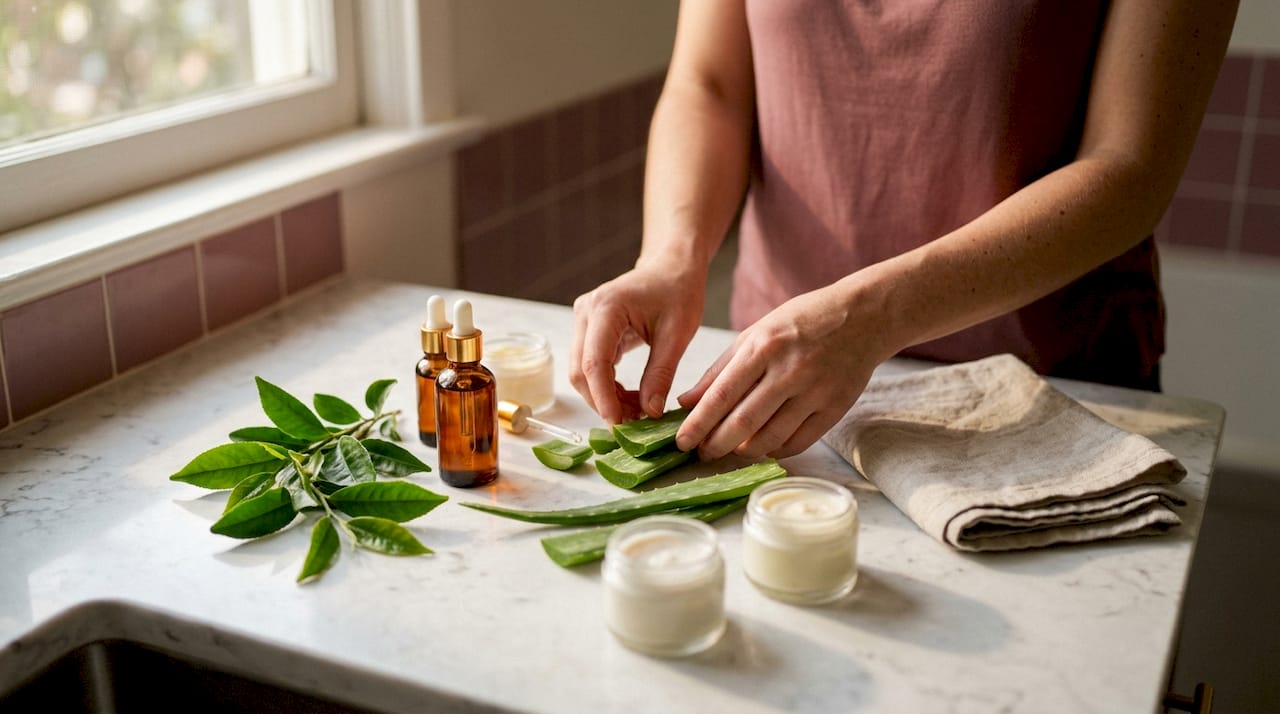
Organic skincare ingredients are defined as plant-derived compounds grown and processed without synthetic pesticides, GMOs, or artificial preservatives, certified by standards such as USDA Organic or COSMOS. The benefits of organic skincare ingredients go well beyond clean labeling. They deliver antioxidants, lipid-compatible oils, and vitamins that work with your skin’s biology rather than against it. Certified organic formulations verify that over 90% of agricultural ingredients by weight are genuinely organic, meaning what reaches your skin is measurably cleaner and richer in active compounds.
1. Benefits of organic skincare ingredients: antioxidant protection
Organic ingredients naturally contain higher levels of antioxidants, vitamins, and minerals that prevent free radical damage and support collagen formation. Free radicals are unstable molecules generated by UV exposure, pollution, and stress. Left unchecked, they break down collagen and accelerate fine lines, uneven tone, and dull texture.
Key antioxidant-rich organic botanicals include:
Wild rosehip oil: Rich in vitamin C and beta-carotene, both of which support collagen synthesis and brighten skin tone.
Green tea extract: Contains polyphenols with anti-inflammatory and anti-aging effects supported by clinical research.
Vitamin E (tocopherol): Found naturally in many cold-pressed oils, it neutralizes oxidative stress and stabilizes formulations.
Pro Tip: Layer a vitamin C serum from organic rosehip oil under your moisturizer in the morning. Vitamin C is most effective when applied before sun exposure, not after.
2. How cold-pressed botanical oils repair the skin barrier
Cold-pressed botanical oils biointegrate with the skin’s lipid barrier, enhancing hydration and barrier repair more effectively than synthetic film-forming moisturizers. Your skin’s outer barrier is made of ceramides, fatty acids, and cholesterol. Cold-pressed oils contain these same lipid families, so they slot into the barrier structure rather than just sitting on top of it.
“Cold-pressed botanical oils integrate directly into the skin lipid barrier because they contain ceramides, cholesterol, and fatty acid families akin to barrier lipids, enabling cumulative skin barrier support rather than transient occlusion.”
Synthetic occlusives like petrolatum create a surface film that temporarily reduces water loss. Botanical oils like jojoba and sunflower seed oil go further. They replenish the lipids your barrier actually needs, producing lasting improvement with consistent use. This is why people who absorb organic ingredients into their daily routine often notice a real shift in skin resilience over weeks, not just hours.
3. Reduced exposure to harmful chemicals and allergens
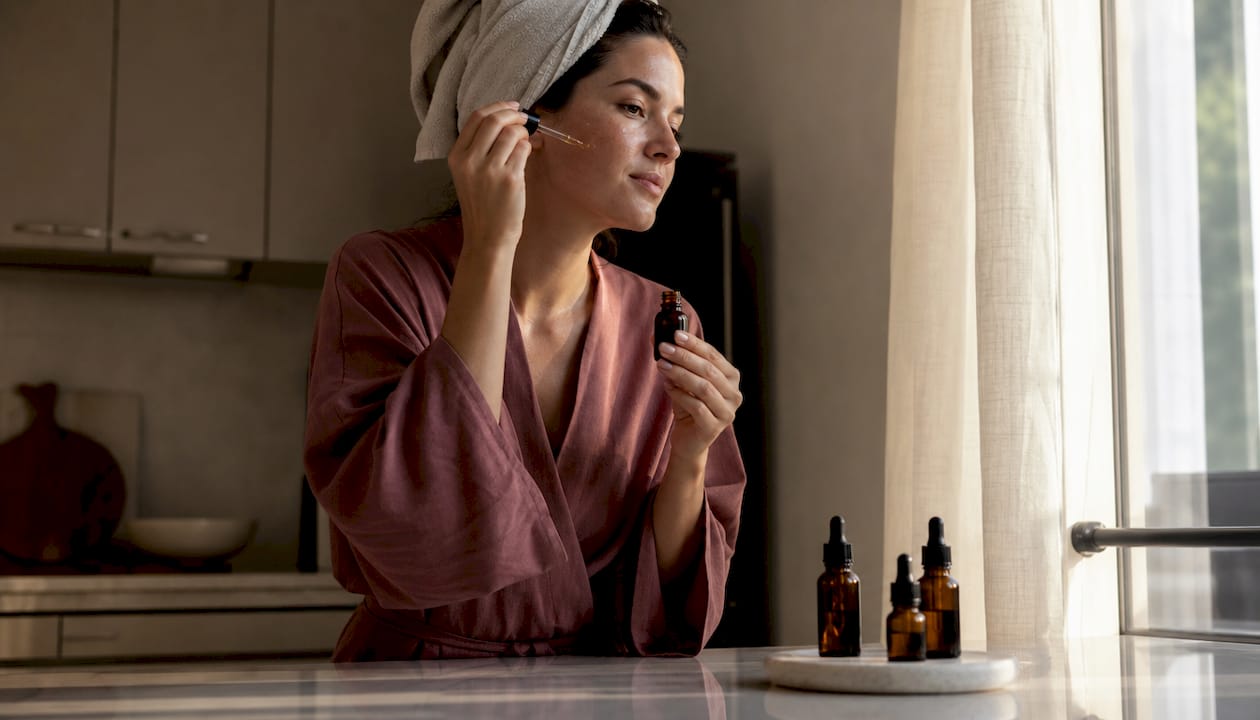
Organic certification prevents synthetic pesticides and GMOs from entering your formulation. That matters because many non-organic skincare products contain synthetic preservatives, artificial fragrances, and chemical stabilizers that are known skin irritants. For people dealing with redness, sensitivity, or reactive skin, reducing these exposures can make a visible difference.
The most common irritants to avoid include:
Parabens: Synthetic preservatives linked to skin sensitization in some individuals.
Artificial fragrances: Complex chemical blends that frequently trigger contact dermatitis.
Formaldehyde-releasing preservatives: Found in some conventional products and associated with irritation and allergy.
Synthetic colorants: Added for appearance only, with no skin benefit and documented sensitization risk.
One important clarification: “organic” does not guarantee zero irritation. Plant-derived fragrances can trigger immune responses similar to synthetic fragrances. Choosing fragrance-free organic formulations gives sensitive skin the best chance of a calm, positive response.
Pro Tip: If your skin is reactive, look for certified organic products that are also labeled fragrance-free. The organic certification handles pesticide avoidance; the fragrance-free label handles botanical allergen risk.
4. Environmental and ethical advantages of organic sourcing
Organic farming reduces chemical runoff and supports environmental sustainability through soil biodiversity and the non-use of synthetic pesticides. When you choose organic skincare, you support farming systems that protect waterways, insects, and surrounding ecosystems. That impact is real and measurable at scale.
Environmental factor | Conventional farming | Organic farming |
Synthetic pesticide use | High | None (by certification) |
Soil biodiversity | Often depleted | Actively supported |
Chemical runoff risk | Significant | Minimal |
Ingredient biodegradability | Variable | Generally high |
Beyond soil health, many organic ingredient suppliers practice renewable sourcing and support fair wages for farming communities. Biodegradable ingredients also break down more cleanly after washing off, reducing the chemical load entering waterways. Choosing organic is one of the more direct ways a skincare routine connects to a greener outcome.
5. Biocompatibility with your skin’s natural biology
Organic botanical ingredients share a chemical kinship with human skin. Your skin recognizes plant-derived fatty acids, phytosterols, and polyphenols because they resemble compounds your body already produces or uses. This biocompatibility means organic ingredients are more likely to be absorbed and used effectively rather than rejected or metabolized as foreign substances.
Jojoba oil is a strong example. Its molecular structure closely resembles human sebum, which is why it absorbs without clogging pores and works across oily, dry, and combination skin types. Sunflower seed oil delivers linoleic acid, a fatty acid the skin cannot synthesize on its own and needs for barrier integrity. These are not marketing claims. They reflect the science behind organic cosmetics and how plant compounds interact with skin physiology.
6. Support for collagen production and skin aging
Organic ingredients support collagen at two levels: they supply the raw materials collagen synthesis needs, and they protect existing collagen from oxidative breakdown. Vitamin C from rosehip or kakadu plum is a direct cofactor in collagen production. Without adequate vitamin C, the skin cannot build or maintain collagen properly.
Antioxidants from green tea polyphenols and vitamin E slow the oxidative damage that degrades collagen fibers over time. This is why a consistent organic skincare routine can produce visible improvements in skin firmness and texture, not overnight, but progressively. For women managing fine lines, aging skin, or dull texture, this mechanism is one of the most clinically relevant advantages of natural ingredient benefits.
7. Limitations and misconceptions about organic formulations
Organic skincare has real limitations that every informed buyer should understand. Synthetic skincare products generally last 24+ months, while organic and plant-based formulations often last only 6–12 months. Shorter shelf life is not a flaw. It reflects fewer synthetic preservatives. But it does mean you need to store products correctly and use them within their recommended period.
Factor | Organic formulations | Synthetic formulations |
Typical shelf life | 6–12 months | 24+ months |
Oxidation risk | Higher (polyunsaturated oils) | Lower |
Preservative type | Natural (vitamin E, rosemary) | Synthetic (parabens, phenoxyethanol) |
Allergen risk | Botanical fragrances possible | Synthetic fragrances possible |
Additional considerations:
Oxidation risk: Highly polyunsaturated botanical oils can generate free radicals if stored improperly. Dark glass packaging and cool storage are non-negotiable.
“Natural” is not “hypoallergenic”: Essential oils and plant fragrances are frequent sensitizers. Always patch-test new products.
Concentration matters: Organic certification reflects farming practices, not active ingredient concentration. A well-formulated product with a high concentration of actives outperforms a poorly formulated one with an organic label.
For a science-based comparison of how organic and synthetic formulations perform across different skin concerns, the evidence supports a nuanced approach rather than an all-or-nothing position.
Key takeaways
The most effective use of organic skincare ingredients combines their antioxidant richness and barrier biocompatibility with realistic expectations about shelf life, fragrance risk, and formulation quality.
Point | Details |
Antioxidant protection | Organic botanicals like green tea and rosehip deliver vitamins that protect collagen and reduce oxidative damage. |
Barrier repair | Cold-pressed oils integrate with skin lipids, producing cumulative barrier improvement with consistent use. |
Chemical reduction | Certified organic formulations eliminate synthetic pesticides and GMOs, reducing irritant exposure for sensitive skin. |
Shelf life awareness | Organic products last 6–12 months; store in cool, dark conditions to prevent oxidation. |
Fragrance caution | Choose fragrance-free organic products if your skin is reactive, since botanical fragrances can still cause sensitization. |
What 15 years in the treatment room taught me about organic ingredients
I have worked with hundreds of women dealing with pigmentation, redness, and aging skin. The ones who get the best results from organic skincare are not the ones who buy every product with a green label. They are the ones who understand what their skin actually needs and choose ingredients that match.
The most important thing I have learned is that formulation quality and active concentration matter more than the organic label alone. I have seen beautifully certified organic products that were too diluted to do anything meaningful, and I have seen well-formulated blends of organic botanicals and scientifically supported actives that produced real, visible change. The label tells you how the ingredients were grown. It does not tell you whether the product will work for your skin.
My honest recommendation is to build your organic routine around a few high-quality, fragrance-free products with transparent sourcing. Prioritize cold-pressed oils for barrier support, vitamin C for collagen, and a broad-spectrum SPF. If you have sensitive or reactive skin, fragrance-free is not optional. It is the single most protective choice you can make within the organic category.
— chevonne
Organic skincare results, accelerated with professional care
Your organic skincare routine builds a strong foundation. Professional treatments can take those results further, especially when you are dealing with persistent pigmentation, fine lines, or skin that has stopped responding to at-home products.

At Fundamentalskin, the Biomimetic Peel + LED Therapy is designed to work in harmony with organic skincare principles. The treatment supports skin regeneration without harsh downtime, using a biomimetic approach that respects your skin’s natural barrier. It pairs beautifully with the organic oils and antioxidants you are already using at home. Chevonne tailors every session to your specific skin concerns, so you leave with a clear plan and visible results. If you are ready to see what your skin is truly capable of, book your consultation with Fundamentalskin today.
FAQ
What are organic skincare ingredients?
Organic skincare ingredients are plant-derived compounds grown without synthetic pesticides, GMOs, or artificial fertilizers, certified by bodies such as USDA Organic or COSMOS. Certified formulations verify that over 90% of agricultural ingredients by weight meet these standards.
Are organic skincare ingredients better for sensitive skin?
Organic formulations reduce exposure to synthetic preservatives and artificial fragrances, which are common irritants for sensitive skin. However, botanical fragrances in natural products can still trigger reactions, so fragrance-free organic options are the safest choice for reactive skin types.
How long do organic skincare products last?
Organic and plant-based skincare products typically last 6–12 months, compared to 24+ months for synthetic formulations. Storing them in cool, dark conditions and using dark glass packaging helps prevent oxidation and extends their effectiveness.
Do organic ingredients actually absorb into the skin?
Cold-pressed botanical oils integrate directly into the skin’s lipid barrier because their fatty acid and ceramide profiles closely match the skin’s own barrier lipids. This biocompatibility supports genuine barrier repair rather than surface-level occlusion.
Is “organic” the same as “natural” on a skincare label?
No. “Natural” is an unregulated marketing term with no standardized definition. “Organic” refers to a certified farming and processing standard. Always look for a recognized certification mark rather than relying on the word “natural” alone.
Recommended
Comments