.png)
Benefits of Personalised Skin Consultation for Real Results
- chevonne stewart
- Jul 1
- 7 min read

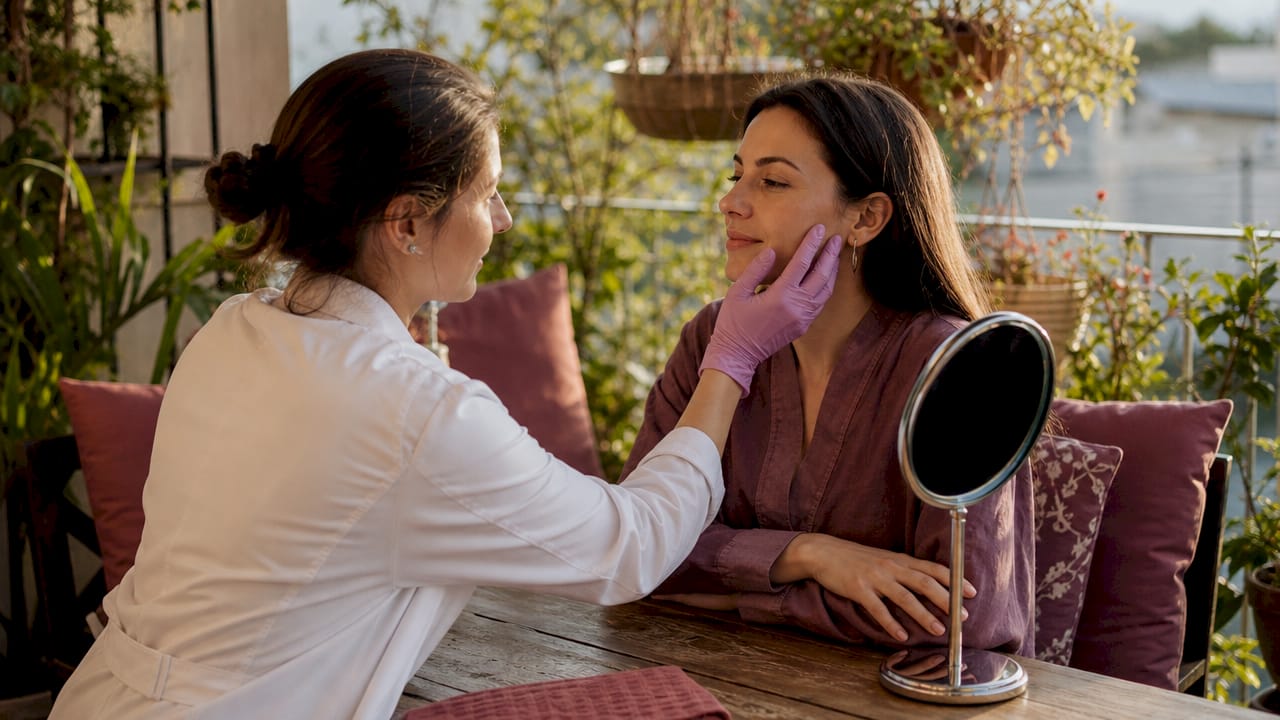
A personalized skin consultation is defined as a structured, one-on-one assessment conducted by a licensed skincare professional to identify your unique skin type, concerns, and goals. Generic skincare products treat everyone the same. Your skin does not work that way. Whether you are managing pigmentation, fine lines, redness, or dull texture, the benefits of personalised skin consultation go far beyond product recommendations. You get a clear picture of what your skin actually needs, backed by clinical expertise and real analysis.
1. What happens during a personalized skin consultation?
A skin consultation is a structured process, not a quick chat. A qualified clinician examines your skin visually, asks targeted questions about your lifestyle, diet, stress levels, and current routine, and reviews your skincare history. This full picture shapes every recommendation that follows.
The process typically covers:
Visual skin assessment: Checking for pigmentation patterns, redness, texture irregularities, and signs of aging
Lifestyle and health review: Sleep, hydration, sun exposure, and hormonal factors all affect skin behavior
Skincare history: What you have tried, what worked, and what caused reactions
Concern prioritization: Ranking your goals so the treatment plan addresses the most pressing issues first
The outcome is a customized skin treatment plan with specific product recommendations and, where appropriate, in-clinic treatments. Consultations match treatments and products to individual skin needs, improving both safety and results.
Pro Tip: Before your consultation, write down every product you currently use, including sunscreen and makeup. This list helps your clinician spot ingredient conflicts you may not have noticed.
2. How consultations target pigmentation and aging concerns
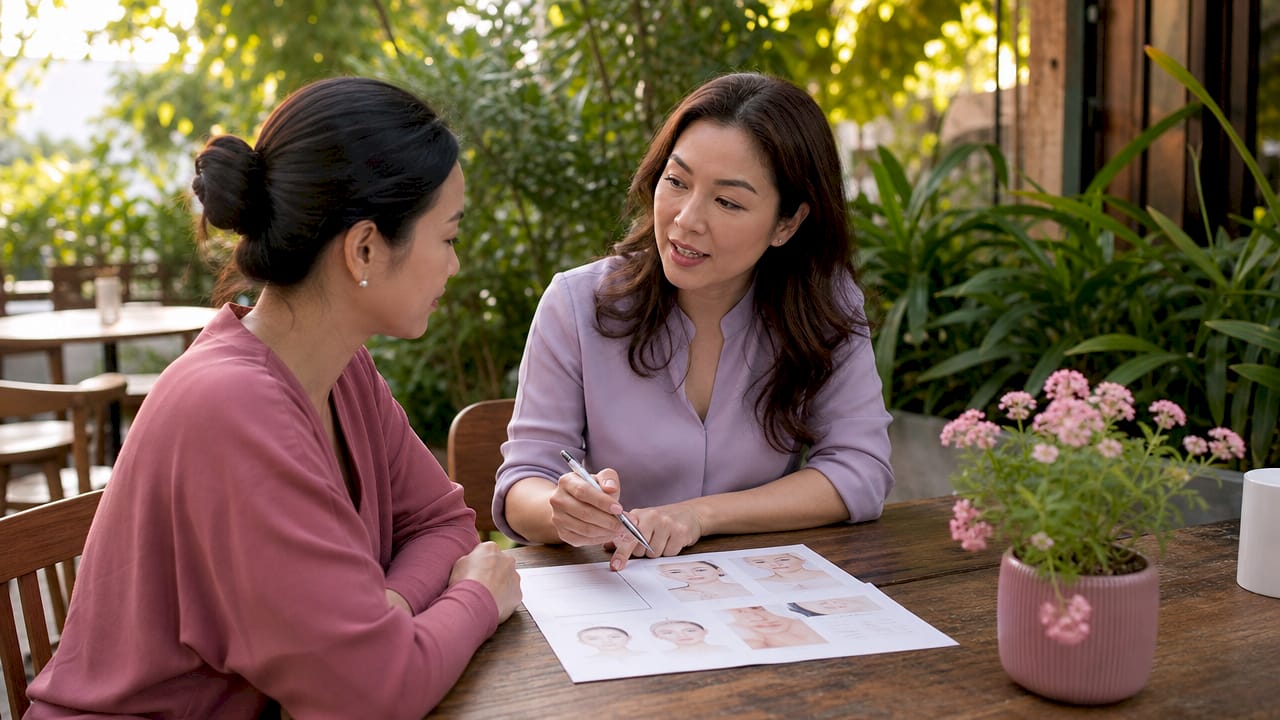
Pigmentation and aging are the two most common concerns clients bring to Fundamentalskin, and they are also the two most mismanaged at home. Both conditions have multiple subtypes that respond differently to treatment. Melasma, post-inflammatory hyperpigmentation, and sun spots each require a different clinical approach. Applying the wrong active ingredient can worsen discoloration rather than fade it.
A trained clinician identifies pigmentation types accurately before recommending any treatment. This precision prevents the irritation and setbacks that come from guessing. For aging concerns, the same logic applies. Fine lines caused by dehydration need different care than those caused by collagen loss.
Professional consultations enable early detection of issues like sun damage and inflammation. Early intervention stops pigmentation from deepening and slows the visible progression of aging. That is a clinical advantage you cannot get from reading a product label.
Personalized skin treatment plans also include lifestyle advice alongside product and treatment recommendations. This comprehensive approach improves outcomes because skin health is not only topical. Diet, sun habits, and sleep all show up on your face.
3. How personalized consultations save time and money
The average person spends years cycling through products that do not work. Each purchase feels like progress, but without a clear diagnosis, it is mostly trial and error. A personalized consultation cuts that cycle short.
Key ways a consultation saves you money:
Targeted product selection: You buy only what your skin actually needs, not what looks appealing on a shelf
Fewer wasted treatments: Knowing your skin type prevents spending on peels or actives that are wrong for your condition
Faster results: Correct products from the start mean visible improvement in weeks, not months of guessing
Reduced risk of damage: Avoiding incompatible ingredients prevents setbacks that require additional corrective treatments
Professional guidance results in time and money savings plus higher satisfaction with the products you do use. That satisfaction comes from seeing real results rather than hoping for them.
Pro Tip: Ask your clinician to rank your recommended products by priority. Start with the top two or three items. This approach keeps your routine manageable and your spending focused.
4. Why personalized plans adapt better than generic routines
Your skin changes. Hormonal shifts, seasonal weather, stress, and aging all alter how your skin behaves from one month to the next. A generic skincare routine cannot account for those changes. A personalized plan can.
Regular skin consultations ensure ongoing adjustments to your routine in response to aging, environment, and hormonal changes. This adaptability is what separates a living skincare plan from a static product lineup. Your clinician tracks your progress, notes what is improving, and adjusts the plan accordingly.
Personalized skincare respects individual biological factors such as hormonal fluctuations and lifestyle patterns, leading to sustainable skin health improvements. This means your routine works with your body’s natural rhythms rather than against them. The result is healthier skin over time, not just a temporary glow.
5. The role of ingredient expertise in a tailored consultation
Ingredient knowledge is one of the most undervalued parts of a skin consultation. The skincare market is full of active ingredients, retinol, niacinamide, vitamin C, AHAs, and BHAs, and the combinations matter as much as the individual ingredients. Using the wrong pairing can strip your barrier, cause breakouts, or trigger sensitivity.
A clinician trained in dermal science maps your skin’s tolerance before recommending any active. If you have a compromised barrier, for example, a strong retinol will cause more harm than good. Your consultation identifies that barrier issue first and addresses it before introducing stronger actives.
Personalized formulas target multiple concerns simultaneously with fewer ingredients. That efficiency matters. A shorter, well-chosen routine is gentler on your skin and easier to maintain consistently. Consistency is what drives long-term results.
6. Personalized vs. generic skincare: what the difference looks like in practice
Generic skincare is designed for the broadest possible audience. That means formulas are conservative, concentrations are low, and the approach is one-size-fits-all. For many people, generic products provide minimal improvement because they are not addressing the actual cause of the concern.
Feature | Generic skincare | Personalized consultation |
Skin assessment | None | Full clinical evaluation |
Ingredient selection | Broad, low-concentration | Targeted to your skin type and concerns |
Pigmentation treatment | General brightening | Subtype-specific protocol |
Routine adjustments | None | Ongoing, based on progress |
Risk of irritation | Higher without guidance | Lower with expert oversight |
Long-term outcomes | Variable | Tracked and improved over time |
Personalized skincare plans lead to higher satisfaction by integrating targeted ingredient matching and customized treatment protocols. Generic products cannot replicate that level of specificity. The gap between the two approaches becomes most visible when treating conditions like melasma or aging skin, where precision is everything.
7. Building long-term skin health through ongoing consultations
A single consultation is valuable. A series of consultations is where real transformation happens. Your skin’s needs shift over time, and your plan should shift with them. Ongoing appointments give your clinician a longitudinal view of your skin, which makes their recommendations sharper with every visit.
Think of it like this: the first consultation establishes your baseline. Subsequent visits track your progress, catch new concerns early, and refine your routine as your skin responds. This model of proactive care is what separates clients who see lasting results from those who plateau after a few months.
An organic skincare routine built around consultation findings also supports your skin between clinic visits. The products you use at home reinforce the clinical work, creating a consistent environment for your skin to heal and strengthen. That continuity is what makes the results stick.
Key takeaways
A personalized skin consultation is the most direct route to effective, lasting skin health because it replaces guesswork with clinical precision tailored to your unique biology.
Point | Details |
Accurate diagnosis first | Identifying your exact skin concerns prevents wasted treatments and ingredient mistakes. |
Pigmentation needs precision | Different pigmentation subtypes require different protocols; a clinician identifies which applies to you. |
Saves money long-term | Targeted product selection eliminates costly trial-and-error cycles. |
Plans adapt over time | Regular consultations adjust your routine as your skin changes with age and environment. |
Ingredient expertise matters | A clinician maps your skin’s tolerance before introducing active ingredients, reducing irritation risk. |
What 15 years of consultations has taught me about personalized skincare
After 15 years as a Dermal Clinician, the pattern I see most often is this: clients arrive having spent years and significant money on products that were never right for their skin. They are not uninformed. They are simply working without a diagnosis.
The biggest shift I have witnessed in my practice is what happens when a client finally understands their skin’s specific biology. Not just their skin type, but their hormonal patterns, their barrier health, their pigmentation triggers. That understanding changes everything. Clients stop reacting to marketing and start making decisions based on what their skin actually needs.
I have also seen how much individual biological rhythms matter. Personalization in skincare taps into individual biological rhythms and is key to sustainable skin health. This is not a trend. It is how skin science works. Your skin does not follow a generic schedule, and your routine should not either.
My honest advice: commit to at least two or three consultations before judging results. The first visit gives you a starting point. The follow-up visits are where the real refinement happens. Skin health is a process, and the clinician-client relationship is what makes that process work.
— chevonne
Personalized care at Fundamentalskin
Fundamentalskin was built around one principle: your skin deserves a plan that was made for it specifically. Chevonne, a Dermal Clinician with 15 years of experience, leads every consultation with clinical precision and genuine care for your results.

Fundamentalskin offers targeted, non-invasive treatments including the Larimedical Biomimetic Peel, designed to address pigmentation, aging, and texture concerns without downtime. For clients ready for advanced results, the Biomimetic Peel with LED Therapy combines clinical-grade exfoliation with light therapy, all guided by your personal skin assessment. Every treatment begins with a consultation so that what goes on your skin is exactly what your skin needs.
FAQ
What is a personalized skin consultation?
A personalized skin consultation is a clinical assessment where a qualified skincare professional evaluates your skin type, concerns, and history to create a tailored treatment and product plan. It goes beyond surface-level advice to address the root causes of your specific skin issues.
How does a skin consultation help with pigmentation?
A clinician identifies your exact pigmentation subtype, whether melasma, post-inflammatory hyperpigmentation, or sun damage, and recommends a protocol matched to that specific condition. This precision prevents the ingredient mismatches that often worsen discoloration.
How often should I get a skin consultation?
Most clients benefit from a consultation every 6–12 weeks, especially when managing active concerns like pigmentation or aging. Regular consultations allow your clinician to adjust your plan as your skin responds and changes.
Can a skin consultation save me money on skincare?
Yes. By identifying exactly what your skin needs, a consultation eliminates spending on products that are wrong for your skin type or condition. Targeted purchasing is consistently more cost-effective than repeated trial-and-error shopping.
Is a personalized consultation worth it for aging skin?
Aging skin has specific needs that generic anti-aging products rarely address accurately. A clinician assesses collagen loss, dehydration, and barrier health separately, then builds a plan that targets aging skin concerns at their actual source rather than applying a blanket approach.
Recommended
Comments