.png)
Invasive vs. Non-Invasive Procedures: What You Need to Know
- chevonne stewart
- Aug 15
- 10 min read

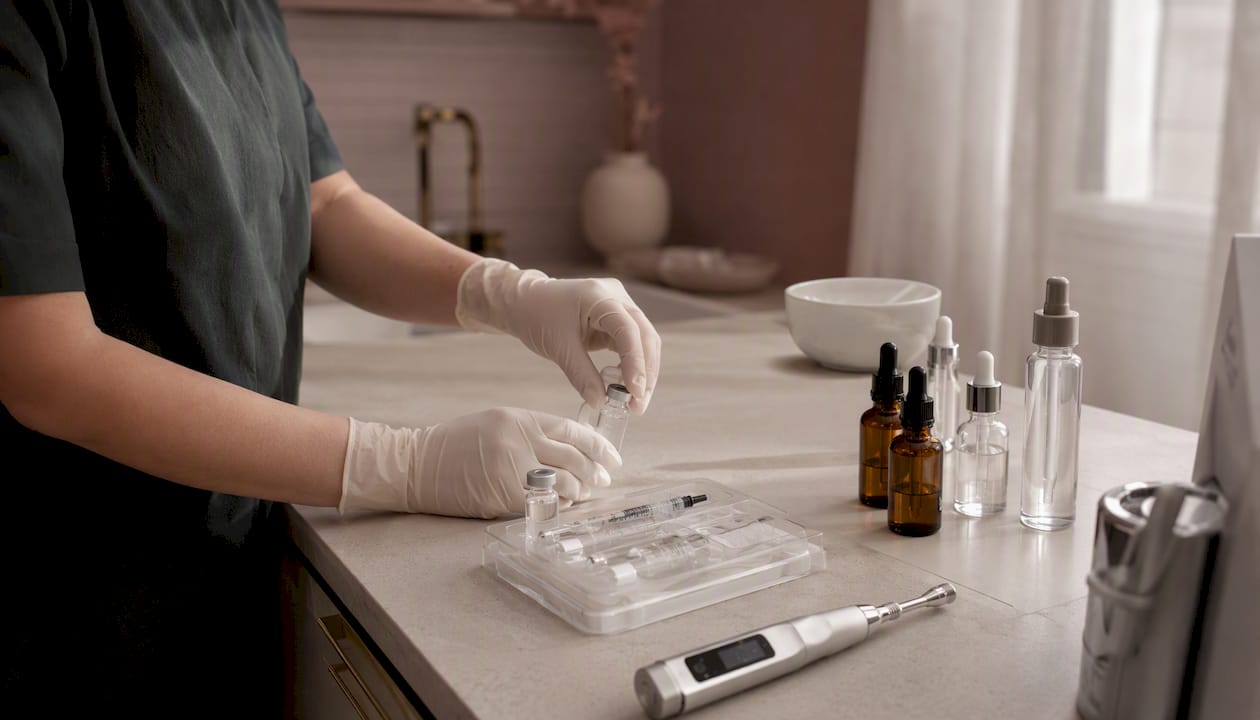
Invasive procedures intentionally breach the body’s natural barriers, while non-invasive ones work entirely from the outside. A blood pressure cuff reading your pulse is non-invasive. A laparoscopic appendectomy, where a surgeon inserts a camera through a small abdominal incision, is minimally invasive. Open-heart surgery is fully invasive. The distinction matters because it shapes your risk profile, recovery time, and what questions you should be asking before you say yes to any procedure. Some procedures sit in a gray area, and as you’ll see, the label “non-invasive” doesn’t always mean what you’d expect.
Key Takeaways
The core difference between invasive and non-invasive procedures comes down to whether the body’s natural barriers are deliberately breached, and that distinction shapes every trade-off from risk and recovery to cost and clinical effectiveness.
Point | Details |
Three-component definition | Invasiveness is determined by method of access, instrumentation used, and operator skill required. |
Minimally invasive is a middle ground | Small incisions or natural-orifice access reduce risk and recovery time compared to open surgery, but are not risk-free. |
Non-invasive has real limits | Non-invasive treatments often require multiple sessions and cannot replace surgery for structural repair or definitive diagnosis. |
Ask the right questions | Before any procedure, ask about all options, the clinician’s qualifications, risks, recovery, and Australian insurance implications. |
Verify credentials in Australia | Check practitioner registration through AHPRA and ask for evidence-based outcomes before committing to any treatment plan. |
Table of Contents
What is the difference between invasive and non-invasive procedures?
There is no single universally accepted definition of “invasive procedure,” which is part of why patients find the terminology confusing. A peer-reviewed proposal developed from analysis of thousands of papers offers the most practical framework: invasiveness is defined by three components working together.
Method of access — how the body is entered (incision, percutaneous puncture, or instrumentation via a natural orifice such as the mouth or nose)
Instrumentation used — whether tools physically enter or contact the body beyond the skin surface
Operator skill required — the level of training needed to perform the procedure safely
Non-invasive procedures score zero on all three counts. They gather information or deliver treatment without crossing the skin or any mucous membrane. Minimally invasive procedures cross the barrier but use small entry points, specialized instruments, and cause less tissue disruption than open surgery. Fully invasive or open procedures require a deliberate incision, significant tissue access, and typically a higher level of surgical skill.
A simple classification spectrum
Category | Method of access | Typical examples |
No breach of skin or mucous membrane | Blood pressure cuff, MRI, ultrasound, LED therapy, topical peels | |
Small incision, percutaneous puncture, or natural orifice | Laparoscopy, endoscopy, blood draw, Botox injection | |
Invasive / open surgery | Large incision with direct tissue access | Open-heart surgery, bowel resection, joint replacement |
A practical access-and-invasiveness (AI) classification published in peer-reviewed literature grades access from none (A) through natural orifice (B) to penetrating the epithelial surface ©, and grades invasiveness from zero surface contact up through needle grades and trocars to full incisions. This kind of taxonomy helps set realistic expectations before a procedure, which is exactly the conversation you want to have with your clinician.
One important nuance: as the Journal of Medical Ethics notes, the terms “invasive” and “non-invasive” can carry implicit value judgments and are used inconsistently across medical contexts. Non-invasive prenatal testing (NIPT), for example, is labeled non-invasive even though it involves a blood draw that punctures the skin. The label reflects the comparison class, not an absolute standard. Knowing this protects you from assuming “non-invasive” always means zero risk or zero discomfort.
Diagnostic and therapeutic examples across the spectrum
Understanding where common procedures sit on the invasiveness spectrum makes it easier to prepare for appointments and weigh your options.
Non-invasive examples
Diagnostic: Blood pressure measurement, electrocardiogram (ECG), MRI, CT scan, X-ray, and ultrasound all gather clinical information without touching the body’s interior. They carry no infection risk from the procedure itself and require no anesthesia.
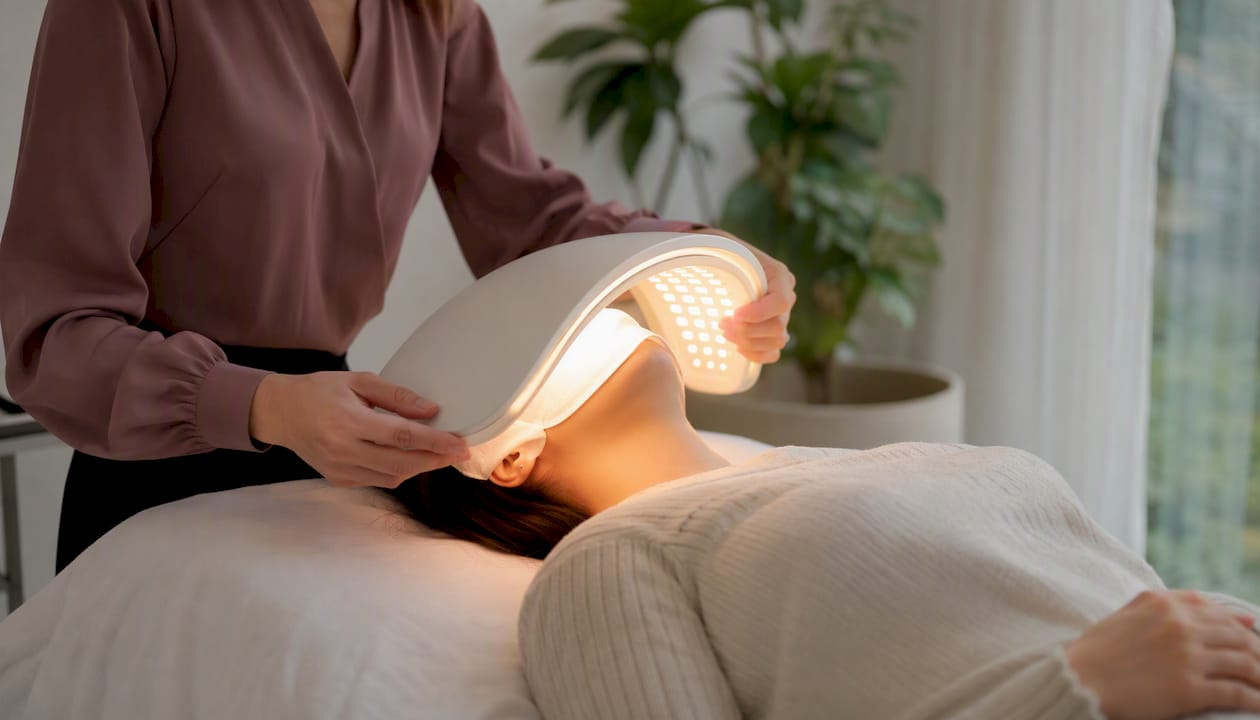
Therapeutic: Physiotherapy exercises, transcutaneous electrical nerve stimulation (TENS), LED light therapy, topical chemical peels, and red light therapy all treat or support the body from the outside. In aesthetic clinics across Australia, needle-free skin rejuvenation options such as biomimetic peels and LED sessions fall squarely here.
Minimally invasive examples
Diagnostic: Endoscopy (a camera passed through the mouth or rectum), fine-needle aspiration biopsy, and amniocentesis all cross a natural orifice or puncture the skin, but with small instruments and targeted access.
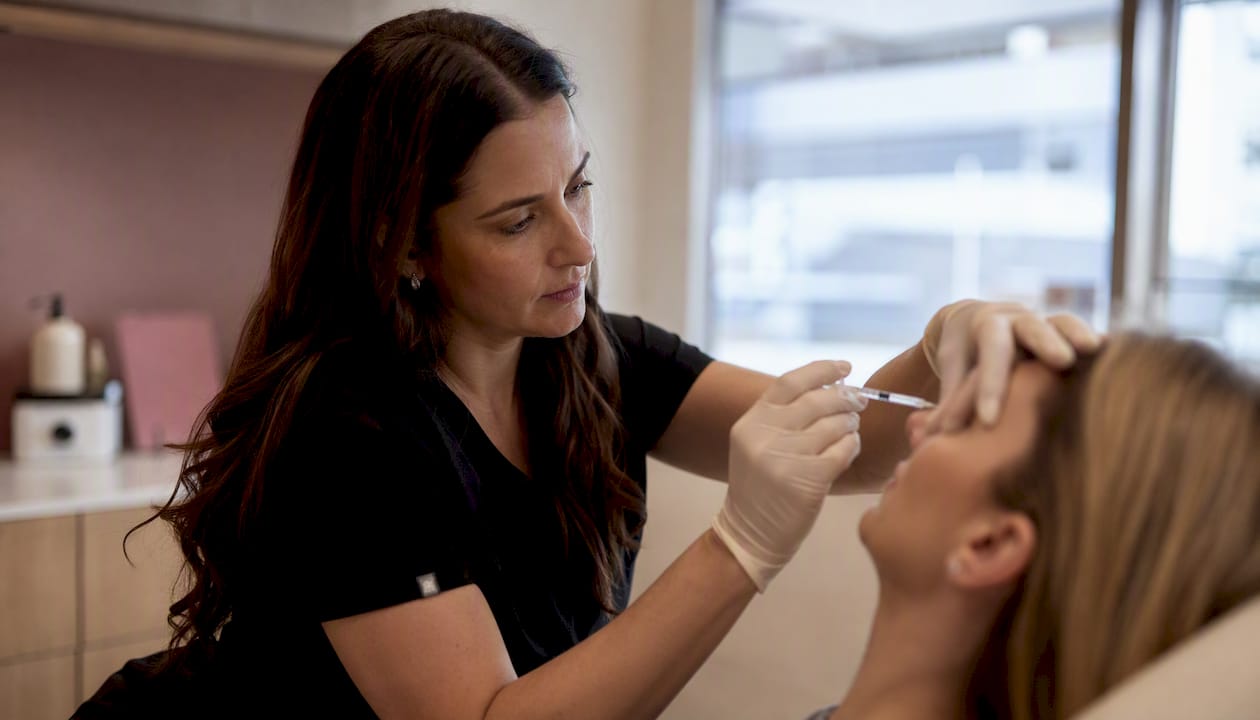
Therapeutic: Laparoscopic surgery, coronary angioplasty, Botox and dermal filler injections, and cryotherapy all enter the body in a limited, controlled way. Recovery is typically faster than open surgery, but these procedures still carry infection risk, bruising, and occasionally more serious complications.
Fully invasive / open surgery examples
Diagnostic: Open surgical biopsy, exploratory laparotomy.
Therapeutic: Open-heart surgery, bowel resection, total knee replacement, and organ transplantation. These require general anesthesia, a hospital stay, and weeks to months of recovery.
Edge cases worth knowing
Classification can shift with context. A blood draw is minimally invasive by the three-component definition, yet it is routinely called “non-invasive” in prenatal testing literature because the alternative (amniocentesis) is far more invasive. Electroconvulsive therapy (ECT) is sometimes classified variably depending on whether the focus is on the electrical stimulus (no skin breach) or the anesthesia required. The BMJ/JME analysis of these inconsistencies is a useful reminder: always ask your clinician exactly what “non-invasive” means in the context of your specific situation.
In aesthetic skin care, the line between non-invasive and minimally invasive is equally relevant. A non-invasive tanning method or a topical peel never breaches the skin barrier, while a microneedling session does, placing it in the minimally invasive category even when marketed as a “gentle” treatment.
What are the real risks and benefits of each approach?
Non-invasive procedures generally carry lower immediate risk and require little to no downtime. That is a genuine advantage, but it comes with trade-offs.
Non-invasive trade-offs at a glance:
Risks: Minimal. Possible skin irritation, erythema, or temporary discomfort. No infection risk from the procedure itself.
Benefits: No anesthesia, no hospital stay, fast return to daily activities, lower cost in most cases.
Limitations: May not provide a definitive diagnosis, cannot remove large lesions or repair structural damage, and often requires multiple sessions to maintain results.
Minimally invasive trade-offs:
Risks: Small but real: infection at the entry site, bruising, nerve irritation, and rare serious complications depending on the procedure.
Benefits: Shorter hospital stay than open surgery, less post-operative pain, faster recovery, and smaller scars.
Setting: Usually outpatient or short-stay; may require sedation or local anesthesia.
Fully invasive / open surgery trade-offs:
Risks: Anesthesia complications, surgical site infection, blood loss, longer recovery, and scarring. Monitoring in intensive care may itself involve invasive lines; a clinical ICU review highlights that even arterial lines and central venous catheters carry placement risks that clinicians must weigh against the accuracy they provide.
Benefits: Definitive access for complex repairs, biopsies, or organ-level interventions that cannot be achieved any other way.
Setting: Inpatient, often requiring general anesthesia and post-operative monitoring.
For chronic pain and musculoskeletal conditions, a systematic review of 233 randomized controlled trials found that non-invasive, non-pharmacological treatments such as exercise, cognitive behavioral therapy, and acupuncture produce small to moderate improvements. Evidence beyond 12 months is sparse, which means maintenance and follow-up matter. Separately, multidisciplinary non-invasive programs combining exercise, education, and manual therapies have been shown to reduce or postpone the need for surgery in many musculoskeletal cases, with guidelines increasingly recommending conservative care first.
Scale check: At least 230 million invasive procedures are performed worldwide each year. That volume is exactly why clear, consistent definitions matter for both research and patient safety.
How do clinicians decide, and what should you ask?
Clinicians weigh several factors when recommending a procedure type. Diagnosis certainty comes first: if a definitive tissue sample is needed, a biopsy cannot be replaced by an ultrasound. Patient health matters too, since comorbidities like diabetes or cardiovascular disease affect anesthesia risk and wound healing. Operator expertise and available local resources shape what is safely achievable. In Australia, Medicare coverage and private health insurance rebates also influence which options are practically accessible.
Questions to bring to your appointment
What are all my options for this condition? Ask for the full range, from non-invasive through to surgical.
Why are you recommending this specific approach? Understand the clinical reasoning, not just the recommendation.
What are the risks and likely complications? Ask about both common and rare outcomes.
What does recovery look like, and how long before I return to normal activity?
Who will perform the procedure, and what is their specific training and experience?
What happens if I choose a more conservative option first? This is particularly relevant for musculoskeletal complaints where non-invasive care is often guideline-recommended before surgery.
What are the Medicare or private insurance implications in Australia? Some minimally invasive procedures attract rebates; others do not.
Red flags to watch for: Any clinician who claims a procedure carries “no risk” or “guaranteed” results is not giving you accurate information. In Australia, you can verify a practitioner’s registration through the Australian Health Practitioner Regulation Agency (AHPRA) at ahpra.gov.au.
Pro Tip: When comparing multiple non-invasive sessions against a single minimally invasive procedure, ask your clinician to map out the total cost, total downtime, and expected outcome timeline for each path. A series of six non-invasive treatments may cost more and take longer than one minimally invasive session, or it may be the smarter long-term choice. The answer depends on your specific condition and goals.
What to expect from non-invasive skin treatments at a clinic like Fundamentalskin
Non-invasive skin treatments have expanded significantly in recent years, with reviews reporting generally high patient satisfaction and lower downtime compared to surgical approaches, while noting that minor side effects such as temporary redness or mild swelling are possible.
A typical non-invasive skin treatment pathway at a clinic like Fundamentalskin looks like this:
Consultation: A qualified Dermal Clinician assesses your skin concerns, health history, and goals. This is where a personalized plan is built around your specific needs, whether that is pigmentation, fine lines, redness, or dull texture.
Treatment plan: You receive a clear outline of recommended procedures, the number of sessions likely needed, expected outcomes, and aftercare requirements. Realistic timelines are set from the start.
Procedure: Common non-invasive options include biomimetic and chemical peels, LED light therapy, red light therapy, and ultrasound skin therapy. None of these breach the skin barrier. Most sessions involve no downtime, meaning you can return to your day immediately.
Aftercare and maintenance: Results build over a series of sessions. Skin health is ongoing, and your clinician will guide you on maintenance intervals and at-home care to protect your investment.
For a full overview of what these options involve, the types of non-invasive skin treatments guide covers mechanisms, expected results, and how to choose between modalities.
When choosing a skin clinic in Australia, ask about the clinician’s formal qualifications (a Dermal Clinician holds a recognized tertiary qualification in dermal science), their infection control protocols, and whether they can show you before-and-after images from real clients. Ask specifically about contraindications for any proposed treatment, particularly if you have active skin conditions, are pregnant, or take medications that affect skin sensitivity.
Pro Tip: A tailored plan built around your skin’s actual condition will always outperform a generic package. Give your clinician the full picture of your health history, and ask for a realistic timeline. Skin remodeling takes time, and the best results come from consistent, evidence-informed care rather than a single session.
When is an invasive procedure the right choice?
Non-invasive and minimally invasive options are not always sufficient. There are clinical scenarios where invasive procedures are the appropriate, or only, path forward.
Major trauma: Internal bleeding, organ damage, or fractures requiring repair cannot be managed from the outside.
Cancer diagnosis and treatment: Definitive tissue sampling often requires a surgical biopsy. Tumor removal, depending on size and location, may require open surgery.
Organ repair or replacement: Heart valve repair, bowel resection, and organ transplantation require direct surgical access.
Structural failure: A ruptured appendix, perforated bowel, or severe joint destruction cannot be resolved with conservative care alone.
Diagnostic certainty: When imaging and non-invasive tests cannot provide a clear answer, a surgical or percutaneous biopsy is often the only way to confirm a diagnosis.
The realistic limits of non-invasive options are worth understanding. Imaging can detect a lesion but cannot remove it. A topical treatment can improve skin texture but cannot excise a suspicious mole. Non-invasive pain management can reduce symptoms but may not address the underlying structural cause.
Minimally invasive techniques have shifted this balance considerably. Laparoscopic surgery, endovascular approaches, and image-guided interventions now allow surgeons to perform procedures that once required large incisions through small ports, with meaningfully shorter recovery times and lower complication rates. Robotic-assisted surgery, used in Australian hospitals for prostate, colorectal, and gynecological procedures, is one example of how technology is narrowing the gap between minimally invasive and open approaches. These advances do not eliminate the need for open surgery, but they have made it less common for many conditions.
What I’ve learned from years of non-invasive skin care
The conversation about invasive versus non-invasive care is rarely as simple as “less invasive is always better.” What I see consistently in clinical practice is that patients benefit most when they understand what a procedure actually does, not just what it avoids.
Non-invasive skin treatments are genuinely effective for a wide range of concerns, including pigmentation, aging, redness, and dull texture. But “non-invasive” is not a shortcut to results. It means no downtime, no breach of the skin barrier, and a lower risk profile. It does not mean instant or guaranteed outcomes. The patients who get the best results are those who commit to a structured plan, follow aftercare guidance, and have realistic expectations about timelines.
Shared decision-making matters enormously here. When you sit down with a clinician, you should feel heard, not sold to. Ask for the evidence behind any recommended treatment. Ask to see before-and-after images from real clients. Verify that your clinician holds recognized qualifications and is registered with the relevant Australian body. A good clinician will welcome those questions, not deflect them.
Sources
The following sources informed this article and are recommended for readers who want to go deeper on definitions, clinical evidence, and patient decision-making.
This article is general information, not a substitute for advice from a qualified doctor. Consult a qualified healthcare professional about your own circumstances before acting on anything here.
Recommended
Comments