.png)
Examples of Successful Pigmentation Treatment in 2026


Successful pigmentation treatment is defined by visible reduction in dark spots, an even skin tone, and results that hold over time. The best examples of successful pigmentation treatment share three common foundations: a repaired skin barrier, prescription-strength actives like hydroquinone or tranexamic acid, and strict photoprotection. Whether you are dealing with melasma, post-inflammatory hyperpigmentation (PIH), or sun damage, knowing which protocols have worked for real patients helps you make a smarter, more confident decision. This article walks through documented, evidence-backed examples so you can see exactly what effective pigmentation treatments look like in practice.
1. Examples of successful pigmentation treatment start with barrier repair
Before any active ingredient can work, your skin barrier needs to be stable. Aggressive treatment too early can trigger inflammation that paradoxically deepens pigmentation rather than clearing it. Clinicians typically recommend a preparatory phase of 3 to 8 weeks to calm the skin before introducing stronger depigmenting agents.
In a documented melasma case study, a structured protocol that began with barrier stabilization and strict photoprotection before introducing 4% hydroquinone achieved significant pigment reduction in just 66 days. The patient showed measurable decreases in pigment area, depth, and darkness. That result did not come from a single product. It came from a sequenced plan.
Key steps in a successful barrier-first approach include:
Switching to a gentle, fragrance-free cleanser and moisturizer for 3 to 4 weeks before starting actives
Using a broad-spectrum sunscreen that blocks visible light, not just UV, every single day
Avoiding physical exfoliants or harsh acids during the preparatory phase
Introducing one active ingredient at a time to monitor skin response
Pro Tip: Simplifying your routine during the prep phase is not a step backward. Over-layering aggressive products can worsen pigmentation. A stripped-back, consistent routine often produces better outcomes than a complex one.
2. Hydroquinone, tranexamic acid, and topical alternatives that deliver results
Topical treatments remain the most widely used and documented category for pigmentation improvement. Hydroquinone is the gold standard topical treatment for facial hyperpigmentation when used under medical supervision. It works by inhibiting tyrosinase, the enzyme responsible for melanin production, and it performs best when paired with barrier repair and daily sun protection.
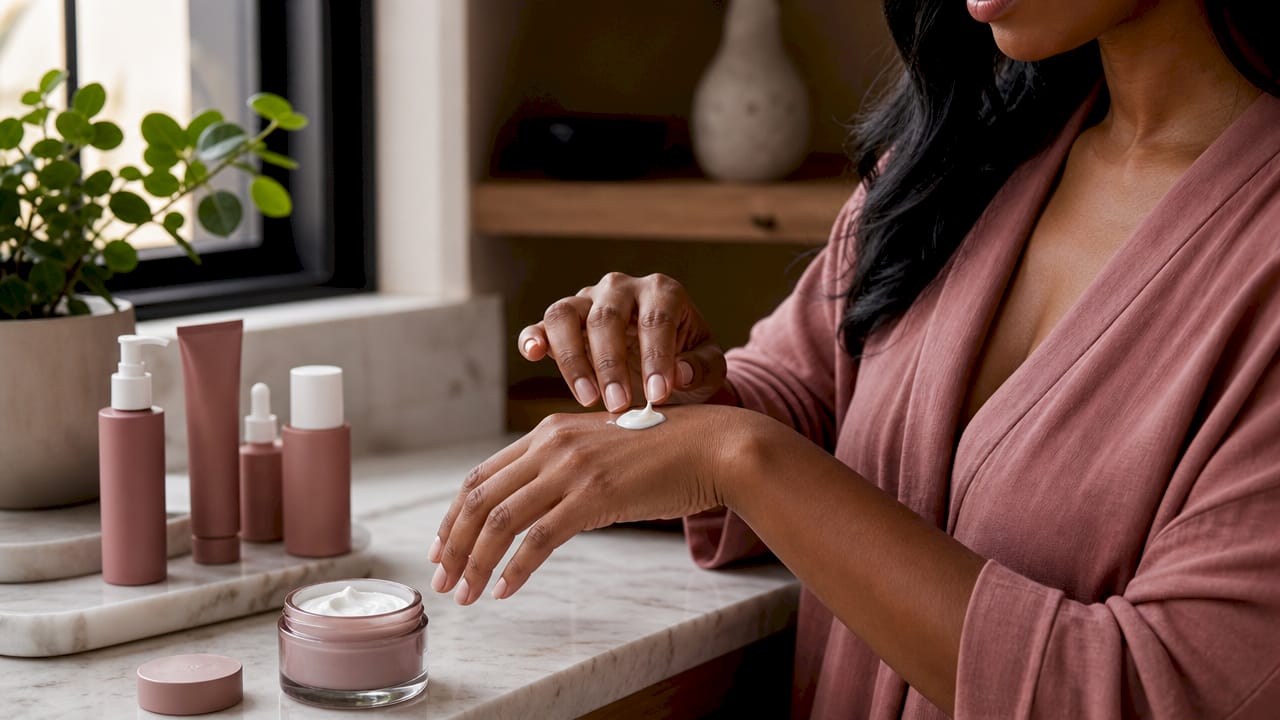
Tranexamic acid has emerged as a strong alternative and complement to hydroquinone. It reduces melanin production and inflammation simultaneously, making it particularly effective for melasma and PIH. Topical tranexamic acid serum paired with pigment-targeting procedures accelerates dyspigmentation improvement while also enhancing skin texture and radiance.
Here is how the most commonly used topical actives compare:
Active Ingredient | Primary Mechanism | Best For |
Hydroquinone (4%) | Tyrosinase inhibition | Melasma, sun spots |
Tranexamic acid | Melanin and inflammation reduction | Melasma, PIH |
Kojic acid | Tyrosinase inhibition | Mild sun damage, uneven tone |
Azelaic acid | Melanocyte normalization | Rosacea-related pigmentation, PIH |
Retinoids | Cell turnover acceleration | Sun damage, post-acne marks |
Combination regimens consistently outperform single-ingredient approaches. A regimen pairing hydroquinone with a retinoid and azelaic acid, for example, addresses pigmentation through multiple pathways at once. This is why dermal clinicians rarely prescribe just one product.
Pro Tip: If you are starting retinoids, expect a purging phase. Retinoid-related purging can temporarily worsen pigmentation appearance before it improves. Staying consistent through this phase, with clinical support, is what separates successful outcomes from abandoned treatments.
3. Chemical peel protocols with documented pigmentation improvements
Professional chemical peels go well beyond surface exfoliation. They interrupt melanin synthesis at a cellular level, making them one of the most effective in-clinic options for pigmentation. The key is matching the right peel type to the right skin concern and preparing the skin correctly beforehand.
Here are the most clinically supported peel protocols for pigmentation:
Cosmelan peel: Targets tyrosinase directly and is widely regarded as one of the most effective depigmenting peels available. It combines a clinic-applied mask with a home-care maintenance phase, addressing both active pigment and preventing recurrence.
Glycolic acid peels: Work through accelerated cell turnover to lift surface pigmentation. Best suited for mild to moderate sun damage and uneven tone in lighter skin types.
Pyruvic acid peels: Offer both exfoliating and antioxidant effects, making them useful for PIH and acne-related discoloration. They penetrate more deeply than glycolic acid at comparable concentrations.
Phenol peels: Reserved for severe, deep pigmentation in lighter skin types. Results are dramatic but require significant downtime and careful patient selection.
Larimedical Biomimetic Peel: A non-ablative option that addresses pigmentation without downtime, using biomimetic technology to support skin renewal while protecting the barrier. This is a standout choice for women who need visible results without recovery time.
Preparatory steps matter as much as the peel itself. Skin that has been primed with a barrier-supportive routine responds more predictably and with fewer side effects. Clinicians who skip this phase often see uneven results or post-peel inflammation that triggers new pigmentation. You can explore pigmentation treatment options compared to understand how peels stack up against other modalities.
4. Laser and light-based treatments with strong pigmentation results
Laser treatments are among the most powerful tools for pigmentation clearance, but they are also the most technique-dependent. The wrong laser on the wrong skin type can cause post-inflammatory hyperpigmentation that is worse than the original concern.
The Q-switched 1064 nm Nd:YAG laser is the safest choice for Fitzpatrick skin types III through VI, where the risk of pigmentary complications from aggressive lasers is highest. It targets melanin deposits with minimal heat transfer to surrounding tissue. Fractional non-ablative 675 nm diode lasers have also shown strong results, with five treatment sessions producing 60 to 80% improvement in melasma severity scores with only mild adverse events. That level of improvement, with a low side-effect profile, makes these two laser types the current benchmark for safe pigment clearance.
Key considerations for laser success include:
Patient selection based on Fitzpatrick skin type and pigmentation depth
Avoiding aggressive ablative lasers in skin types III to VI due to rebound hyperpigmentation risk
Completing a full course of sessions rather than stopping after early improvement
Maintaining results with topical actives and daily photoprotection between and after sessions
Scheduling treatments outside of peak sun exposure months where possible
Post-inflammatory hyperpigmentation disproportionately affects patients with skin of color, with 65.3% of African Americans and 52.7% of Hispanics affected by acne-induced PIH. This statistic underscores why laser selection and patient-specific protocols are not optional. They are the difference between clearing pigmentation and compounding it.
5. Integrated treatment approaches combining topicals, peels, and devices
The most impressive pigmentation treatment results in clinical practice come from combining modalities rather than relying on a single approach. Synergistic strategies address pigmentation through multiple mechanisms simultaneously, which is why combination of potent topical serums with in-office procedures accelerates dyspigmentation improvement and skin radiance beyond what either approach achieves alone.
A well-structured integrated protocol typically follows this sequence: barrier stabilization at home, followed by a professional peel or laser series, supported throughout by a targeted topical serum like tranexamic acid. Microneedling paired with tranexamic acid serum, for example, uses the micro-channels created by the device to drive the active deeper into the dermis, amplifying its effect on melanin production.
One of the most compelling success stories in pigmentation management comes from a six-month melasma case documented by a UK-based clinician:
“This was one of the hardest cases I have seen. The combination of strict photoprotection, a simplified home routine, and staged in-clinic treatments produced results I genuinely did not expect at the six-month mark. The skin looked healthier, calmer, and significantly clearer.” — Clinical case notes, Beauttitude
Long-term management over a one-and-done cure is what defines success in chronic conditions like melasma. Maintenance plans, including ongoing topical use and regular professional treatments, prevent relapse and protect the investment of the initial protocol. Photodynamic therapy combined with a recombinant mussel mucin repair dressing achieved 42.3% pigment clearance at four weeks and only a 13.2% recurrence rate at 14 months, demonstrating what a well-designed integrated approach can achieve. For a deeper look at protecting your results, see post-treatment skin protection.
Key takeaways
Successful pigmentation treatment requires barrier preparation, matched actives, professional procedures, and a maintenance plan working together consistently over time.
Point | Details |
Barrier repair comes first | Stabilize skin for 3 to 8 weeks before introducing active depigmenting agents. |
Hydroquinone remains the gold standard | Use under clinical supervision alongside photoprotection for best results. |
Laser selection is critical | Q-switched 1064 nm Nd:YAG is the safest option for darker skin types. |
Combined modalities outperform single treatments | Pairing topical serums with peels or devices accelerates pigment clearance. |
Maintenance prevents relapse | Chronic pigmentation like melasma requires ongoing management, not a one-time fix. |
What 15 years of treating pigmentation has taught me
I have worked with hundreds of women dealing with pigmentation, and the pattern I see most often is this: they come in having already tried everything, frustrated and ready to give up. What they have usually tried is a lot of products at once, without a plan. The skin is overwhelmed, the barrier is compromised, and the pigmentation is worse than when they started.
The most important shift I make with these clients is slowing down. Not because the treatments are not effective, but because the skin needs to be ready to receive them. Aggressive approaches too early do not speed up results. They set them back.
I also want to be honest about expectations. Melasma, in particular, is a chronic condition. The goal is not to cure it. The goal is to manage it well, keep it calm, and protect the progress you make. Clients who understand this from the start have far better outcomes than those chasing a permanent fix.
The 2026 guide to pigmentation best practices I recommend to every new client reinforces this mindset. Education is part of the treatment. When you understand why photoprotection matters, why you need to simplify before you intensify, and why maintenance is not optional, you become a far more effective partner in your own skin health.
— chevonne
See real pigmentation results with Fundamentalskin
If you are ready to move from research to real results, Fundamentalskin offers personalized, clinician-led treatments designed specifically for women dealing with pigmentation. Chevonne’s 15 years of experience as a Dermal Clinician means your protocol is built around your skin, not a generic template.

The Biomimetic Peel + LED Therapy is one of Fundamentalskin’s most popular treatments for pigmentation. It combines the melanin-targeting power of a professional peel with LED light therapy to calm inflammation and support skin renewal, all with zero downtime. Results are backed by before-and-after images showing genuine improvements in skin tone and texture. Book your consultation today and start building a plan that actually works for your skin.
FAQ
What are the most effective treatments for pigmentation?
The most effective treatments combine barrier repair, topical actives like hydroquinone or tranexamic acid, professional peels, and photoprotection. Integrated protocols consistently outperform single-ingredient approaches.
How long does pigmentation treatment take to show results?
Most documented protocols show visible improvement within 6 to 12 weeks, with significant results at the 3 to 6 month mark when treatment is consistent and photoprotection is maintained daily.
Is laser treatment safe for darker skin tones?
The Q-switched 1064 nm Nd:YAG laser is considered the safest option for Fitzpatrick skin types III through VI, with studies showing 60 to 80% improvement in melasma scores and minimal adverse events over five sessions.
Can pigmentation come back after treatment?
Yes, particularly with melasma. Long-term management with maintenance topicals and ongoing photoprotection is required to prevent relapse, which is why a maintenance plan is built into every successful protocol.
What is the difference between PIH and melasma?
Post-inflammatory hyperpigmentation (PIH) is triggered by skin injury or inflammation, such as acne. Melasma is a chronic hormonal condition. Both respond to similar treatments, but melasma requires longer-term management and is more prone to recurrence.
Recommended
Comments