.png)
Pigmentation Treatment Options Compared: 2026 Guide

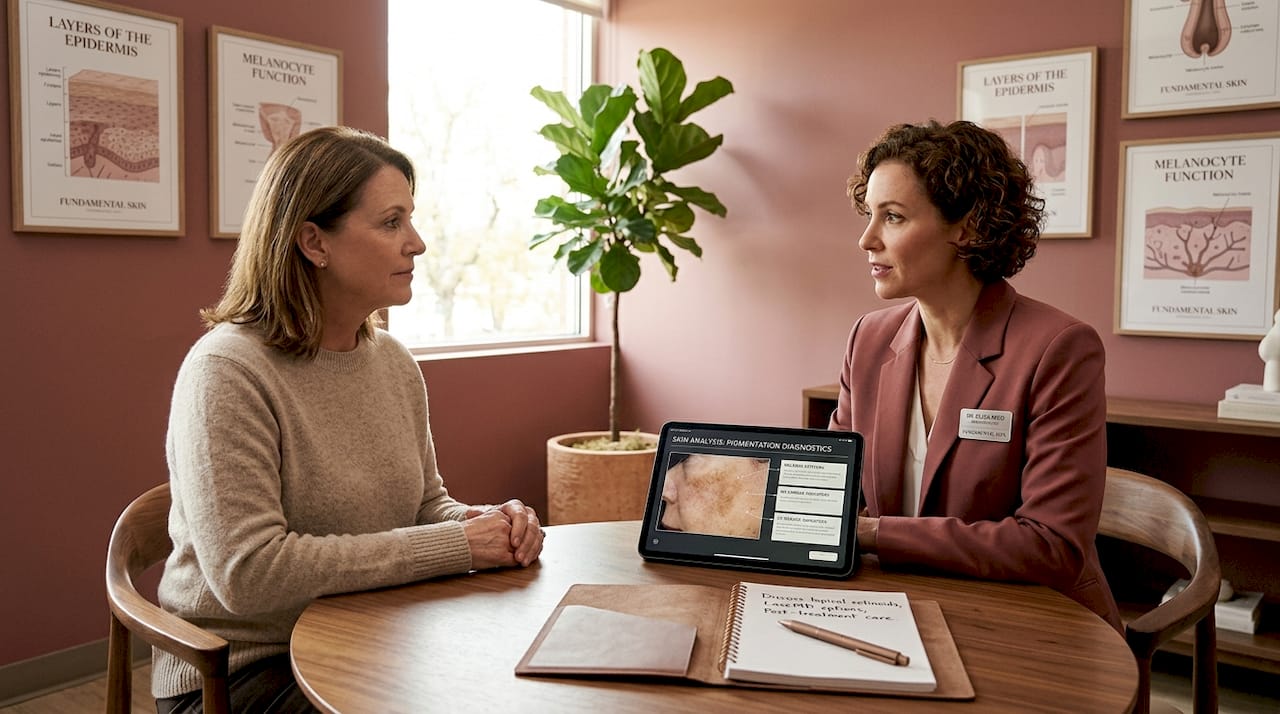
Pigmentation treatment is defined as any medical, procedural, or natural intervention designed to reduce excess melanin production and restore an even skin tone. When you compare pigmentation treatment options side by side, one finding stands out clearly: combination therapies tailored to your specific pigmentation type consistently outperform single-modality approaches. Topical agents like tranexamic acid and hydroquinone, procedural options like IPL and chemical peels, and natural compounds like vitamin C each have distinct strengths. Knowing which to use, and when to layer them, is what separates a treatment plan that works from one that stalls.
1. Medical topical treatments: how they compare
Topical therapy is the first-line approach for most forms of hyperpigmentation, including post-inflammatory hyperpigmentation (PIH) and melasma. Procedures like lasers and peels are reserved for cases that do not respond to topicals alone. This hierarchy matters because starting with topicals reduces your risk of making pigmentation worse before it gets better.
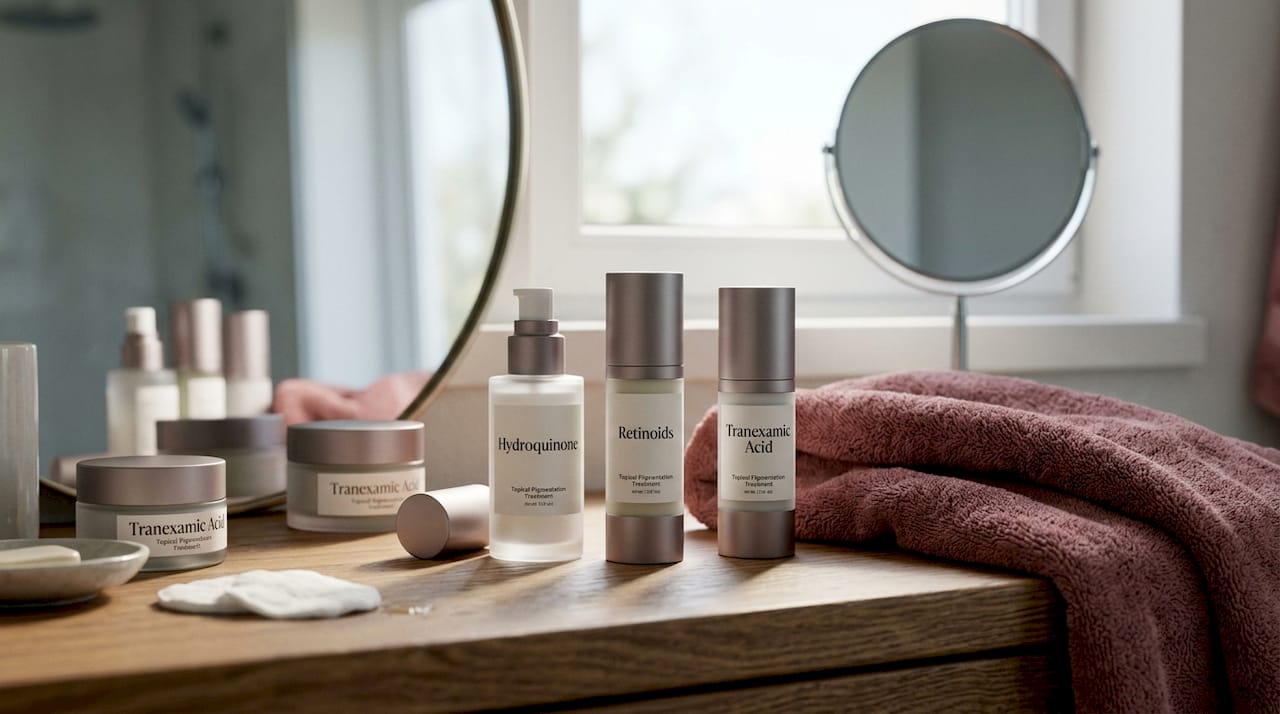
The 2025 global consensus guideline identifies five primary topical lightening agents: azelaic acid, retinoids, hydroquinone, tranexamic acid, and thiamidol. Each works through a different mechanism, which is why they are often combined rather than used alone.
Here is how the main agents compare:
Hydroquinone is the historical gold standard for depigmentation. It inhibits the enzyme tyrosinase, which drives melanin production. Long-term use carries risks including ochronosis (a bluish-gray discoloration) and rebound pigmentation, so most clinicians limit continuous use to three to six months.
Tranexamic acid (topical and oral) has emerged as one of the most promising agents in recent years. A 2026 systematic review and meta-analysis from randomized controlled trials confirmed that both forms improve melasma severity with noticeable results by weeks 8 to 12, and with a strong tolerability profile. This makes it a realistic option for people who cannot tolerate hydroquinone.
Azelaic acid at 15 to 20% concentration reduces melanin synthesis and carries anti-inflammatory properties, making it well suited for PIH in sensitive or acne-prone skin.
Retinoids (tretinoin, adapalene) accelerate cell turnover and disperse melanin granules. They amplify the effect of other lightening agents but require a gradual introduction to avoid irritation.
Thiamidol is a newer ingredient showing strong tyrosinase inhibition in clinical studies, with a gentler side-effect profile than hydroquinone.
Pro Tip: No topical agent works without photoprotection. UV exposure directly stimulates melanocytes and will undo even the best topical regimen within days. Apply a broad-spectrum SPF 50+ every morning, every day, regardless of the weather.
2. Procedural treatments compared: peels, lasers, and IPL
Procedural pigmentation removal methods work by physically disrupting or destroying melanin deposits in the skin. The right procedure depends on your pigmentation depth, skin tone, and tolerance for downtime.
Treatment | Best for | Downtime | PIH risk | Notes |
Superficial chemical peel (glycolic, TCA) | Epidermal melasma, mild PIH | 3 to 7 days | Low to moderate | Best as adjunct to topical therapy |
Q-switched Nd:YAG laser | Deep or resistant pigmentation, tattoo pigment | 5 to 10 days | Moderate to high | Requires conservative settings in darker skin |
Fractional laser | Textural pigmentation, photoaging | 5 to 14 days | Moderate | Multiple sessions needed |
Picosecond laser | Resistant melasma, lentigines | 3 to 7 days | Lower than Q-switched | Emerging evidence, shorter pulse reduces thermal damage |
IPL (Intense Pulsed Light) | Mild sun spots, diffuse redness and pigment | 1 to 3 days | Low to moderate | Broad-spectrum light, less precise than laser |
Superficial chemical peels serve as useful adjuncts when combined with topical therapy and photoprotection, but aggressive laser settings carry a real risk of post-inflammatory hyperpigmentation, particularly in Fitzpatrick skin types IV through VI. This is not a minor caveat. PIH from a poorly calibrated laser can be darker and more persistent than the original pigmentation.
IPL and lasers have distinct mechanisms: IPL delivers broad-spectrum light that addresses mild, diffuse pigmentation across a wider area, while lasers use a focused wavelength to target deeper or more concentrated pigment deposits. IPL is generally better tolerated and requires less downtime, making it a practical starting point for many clients. Lasers deliver more precision but demand more careful patient selection.
One of the most compelling findings in recent research involves combining topical agents with IPL. An RCT found that tranexamic acid combined with IPL produced excellent improvement in 70.59% of patients, compared to just 25% with IPL and placebo, and without adverse events. This result reframes IPL not as a standalone fix but as a platform that performs significantly better when paired with the right topical.
Pro Tip: Ask your clinician about skin priming before any procedure. Priming with topical agents before procedures improves outcomes and reduces PIH risk by calming melanocyte activity before the treatment stimulus.
3. Natural and non-invasive options: realistic expectations
Natural remedies for skin pigmentation are not a replacement for medical-grade treatments, but they are a legitimate part of a long-term management strategy. Several natural compounds have genuine depigmenting activity supported by clinical evidence.
Vitamin C (L-ascorbic acid) inhibits tyrosinase and neutralizes free radicals that trigger melanin production. Stabilized forms like ascorbyl glucoside or sodium ascorbyl phosphate are more shelf-stable and better tolerated than pure L-ascorbic acid, which oxidizes quickly.
Niacinamide (vitamin B3) at concentrations of 4 to 5% reduces the transfer of melanosomes from melanocytes to keratinocytes. It does not bleach existing pigment but prevents new pigment from reaching the skin surface. Results are gradual, typically visible after eight to twelve weeks of consistent use.
Polyphenols found in green tea extract, resveratrol, and ellagic acid show antioxidant and melanin-inhibiting properties in laboratory studies. Clinical evidence in humans is less robust, but these ingredients are safe and complement other actives well.
The honest limitation of natural approaches is potency. Vitamin C and niacinamide will not clear established melasma or deep PIH on their own. Where they shine is in maintenance, prevention, and as gentle daily actives for people with sensitive skin who cannot tolerate prescription-strength agents.
Strict photoprotection including tinted sunscreens with iron oxides is one of the most effective non-invasive interventions available. Iron oxide pigments in tinted formulas block visible light, which is a documented trigger for melasma relapse even when UV is blocked. This single step is often underestimated and underused.
4. How to choose the right pigmentation treatment
Choosing the best pigmentation treatment starts with identifying what type of pigmentation you have. The treatment path for melasma differs significantly from the path for PIH or solar lentigines (sun spots).
Identify your pigmentation type. Melasma is hormonally driven, often symmetrical, and prone to relapse. PIH follows skin injury or inflammation. Solar lentigines are discrete, flat, sun-induced spots. Each responds differently to the same treatment.
Assess your skin phototype. Fitzpatrick skin types IV through VI carry a higher risk of PIH from procedures. This does not mean procedures are off the table, but it means conservative settings and thorough priming are non-negotiable.
Start with topicals and photoprotection. For most pigmentation types, a three-month trial of a targeted topical regimen alongside daily SPF 50+ is the appropriate first step before considering any procedure.
Layer procedures strategically. Combination of topical and procedural therapies shifts clinical response curves for pigmentation clearance. A chemical peel or IPL session added to an established topical regimen typically produces faster and more durable results than either approach alone.
Plan for maintenance. Clinicians distinguish between the induction phase (actively lightening pigment) and the maintenance phase (preventing relapse). Stopping all treatment after clearance almost always leads to recurrence, especially with melasma. A simplified maintenance regimen with SPF, niacinamide, and periodic topical use is standard practice.
Set realistic timelines. Most topical treatments require eight to twelve weeks before visible improvement. Procedures accelerate results but do not eliminate the need for ongoing topical care. Patience and consistency determine outcomes more than any single treatment choice.
Key takeaways
The most effective approach to pigmentation combines a targeted topical regimen with carefully selected procedures, always anchored by daily broad-spectrum photoprotection.
Point | Details |
Topicals come first | Hydroquinone, tranexamic acid, azelaic acid, and retinoids are first-line agents before any procedure. |
Combination therapy wins | Tranexamic acid plus IPL produced excellent results in 70.59% of patients versus 25% with IPL alone. |
Photoprotection is non-negotiable | Tinted sunscreens with iron oxides block visible light and prevent melasma relapse even after clearance. |
Skin priming reduces risk | Priming with topical agents before procedures lowers post-inflammatory hyperpigmentation risk significantly. |
Maintenance prevents recurrence | A simplified ongoing regimen after clearance is required to sustain results, especially for melasma. |
What 15 years of treating pigmentation has taught me
After working with hundreds of women on pigmentation concerns, the pattern I see most often is this: clients arrive having tried one thing at a time, in isolation, without photoprotection, and then conclude that “nothing works.” The truth is that pigmentation is one of the most treatment-responsive skin concerns when you approach it correctly. The problem is almost never the treatment itself. It is the sequence, the consistency, and the missing photoprotection.
Tranexamic acid is the ingredient that has genuinely changed my practice over the past few years. The evidence from the 2026 meta-analysis aligns with what I see clinically. It is well tolerated, it works across skin types, and when I pair it with IPL, the results are in a different category than IPL alone. I now consider it a core part of almost every melasma protocol I build.
The other shift I have made is being more direct with clients about the maintenance phase. Many people expect a course of treatment to be a permanent fix. Melasma in particular is a chronic condition with a strong tendency to return. I frame it the way a dentist frames oral hygiene: you do not stop brushing your teeth after a clean. You maintain. The clients who accept this mindset get the best long-term outcomes.
I am also cautious about aggressive laser settings in darker skin tones, and I think the industry as a whole has become more cautious too. The advanced skin device therapy space has matured, and the best practitioners now prioritize conservative parameters and thorough priming over dramatic single-session results. Slow and steady genuinely wins here.
— Chevonne
Ready to treat your pigmentation with expert guidance?
If you have been comparing pigmentation solutions and feel ready to move from research to results, Fundamentalskin offers personalized, clinician-led treatments designed specifically for women dealing with uneven skin tone and dark spots.

The IPL Full Face Vascular & Pigmentation treatment targets diffuse pigmentation with precision, while the Biomimetic Peel + LED Therapy combines a medical-grade chemical peel with LED light to resurface and brighten skin without downtime. Both treatments are delivered by Chevonne, a Dermal Clinician with 15 years of experience, using Australia-sourced ingredients and protocols tailored to your skin type. Book your consultation today and start building a plan that actually works for your skin.
FAQ
What is the most effective treatment for melasma?
Combination therapy is the most effective approach for melasma. A 2026 meta-analysis confirms that tranexamic acid paired with IPL produces significantly better results than either treatment alone, with excellent improvement in over 70% of patients.
Is laser or chemical peel better for pigmentation?
Neither is universally better. Chemical peels work well as adjuncts to topical therapy for epidermal pigmentation, while lasers target deeper or more resistant pigment. The right choice depends on your pigmentation type, skin tone, and PIH risk.
How long does pigmentation treatment take to work?
Most topical treatments show visible improvement between weeks 8 and 12. Procedural treatments like IPL or peels can accelerate this timeline, but ongoing topical care and photoprotection are still required to maintain results.
Can natural ingredients clear pigmentation on their own?
Natural ingredients like vitamin C and niacinamide support pigmentation management but are unlikely to clear established melasma or deep PIH without medical-grade agents. They are most effective as part of a maintenance regimen or for mild, early-stage pigmentation.
Why does pigmentation come back after treatment?
Pigmentation, especially melasma, recurs because the underlying triggers (UV exposure, hormones, visible light) remain active. The 2025 global consensus guideline emphasizes that a maintenance phase with photoprotection and simplified topical use is required after clearance to prevent relapse.
Recommended
Comments