.png)
Glycation and Skin Aging: What You Need to Know
- chevonne stewart
- 1 day ago
- 16 min read

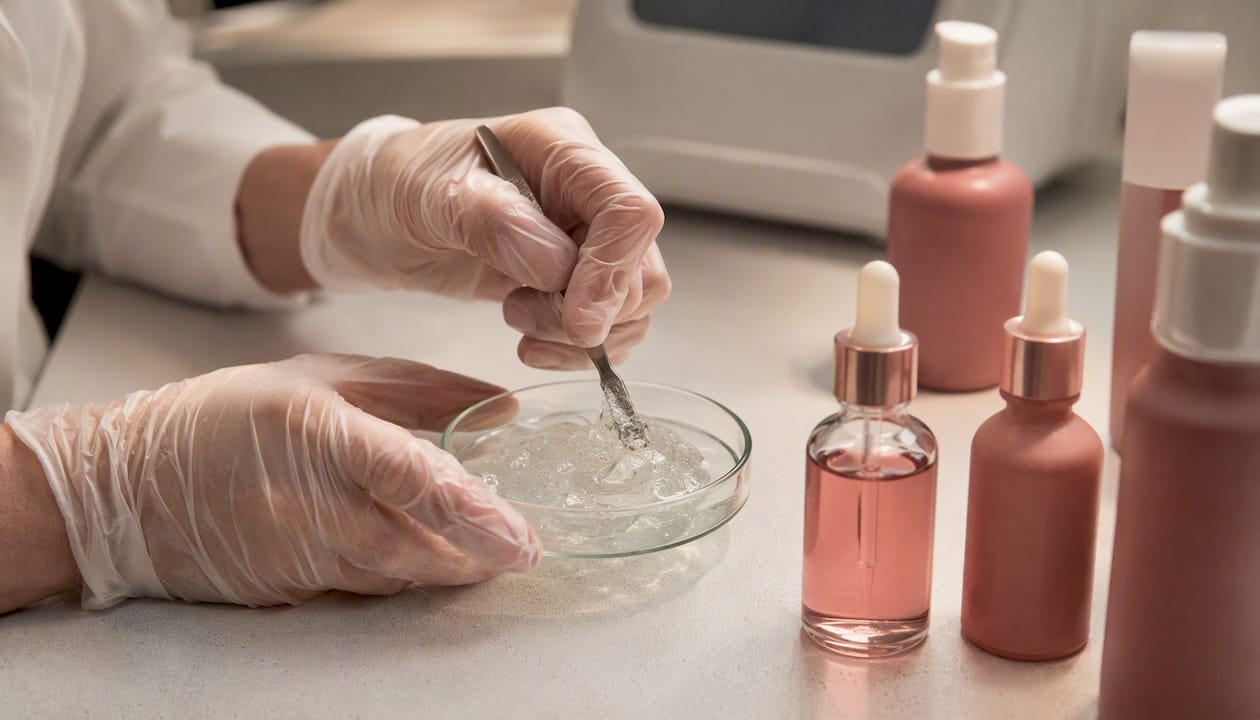
Glycation is a non-enzymatic chemical reaction in which sugar molecules bind to proteins or lipids in your body, forming harmful compounds called Advanced Glycation End Products, or AGEs. In skin, AGEs accumulate in long-lived structural proteins like collagen and elastin, creating cross-links that stiffen fibers, reduce elasticity, and drive the visible signs of aging: deep wrinkles, a dull or yellowed complexion, and skin that heals more slowly than it used to. Understanding the glycation skin aging process is the first step toward doing something meaningful about it.
Three things you can start prioritizing today:
Reduce added sugar and high-glycemic foods in your daily diet to lower the internal sugar load that drives AGE formation.
Apply a broad-spectrum SPF 30+ sunscreen every morning without exception, since UV exposure directly amplifies AGE accumulation in skin.
Book a consultation with a qualified Dermal Clinician to assess your current skin condition and build a personalized plan.
Pro Tip: If you can only make one change today, swap your morning white toast or sugary cereal for eggs with vegetables or plain oats. That single shift reduces the glucose spike that feeds glycation before your day even begins.
Key Takeaways
Glycation is a cumulative, largely irreversible process, but slowing its progression through diet, sun protection, and targeted clinical treatments produces real, visible improvements in skin health.
Point | Details |
Glycation forms AGEs in collagen | Sugars bind to collagen and elastin, forming cross-links that cause wrinkles, stiffness, and a dull or yellowed complexion. |
AGE levels rise with age | CML, CEL, and pentosidine in skin collagen increase in a roughly linear pattern with chronological age across multiple studies. |
Cross-links are largely irreversible | Established AGE bonds cannot be broken by current topical or oral treatments; the goal is slowing further accumulation. |
Diet and sunscreen are the strongest tools | Reducing added sugars, choosing low-heat cooking, and applying SPF 30+ daily are the highest-impact prevention strategies. |
Clinical treatments improve visible damage | Biomimetic peels, LED therapy, and energy-based devices address the appearance of glycation-related aging with varying levels of evidence. |
Table of Contents
How does glycation work and form AGEs in your skin?
The glycation process follows a well-documented biochemical pathway, often called the Maillard reaction in biological contexts. It begins when a free reducing sugar, most commonly glucose or fructose, attaches loosely to an amino group on a protein. That initial bond forms a reversible compound called a Schiff base. Within hours to days, the Schiff base rearranges into a more stable but still reversible structure called an Amadori product.
From there, the chemistry becomes more damaging. Amadori products break down into highly reactive molecules called dicarbonyls, the most significant of which is methylglyoxal (MGO), along with glyoxal (GO) and 3-deoxyglucosone (3-DG). These reactive intermediates are far more aggressive than glucose itself. They attack proteins rapidly and form stable, irreversible bonds known as AGEs. According to a PMC review of skin glycation mechanisms, multiple biochemical pathways, including the Wolff, Namiki, polyol, and lipid peroxidation routes, all contribute to dicarbonyl precursor formation.
Your body does have defenses. The glyoxalase enzyme system, specifically the enzymes GLO1 and GLO2, normally metabolizes the majority of methylglyoxal before it can cause harm. The proteasome also clears damaged proteins. But as research on protective mechanisms against glycative stress explains, these defenses decline with age and can be overwhelmed by metabolic stress, leaving more reactive dicarbonyls free to form AGEs.
Why does skin suffer so much? Collagen and elastin, the proteins that give your skin its firmness and bounce, turn over extremely slowly compared with most proteins in the body. That slow turnover means AGEs have time to accumulate and cross-link fibers over years and decades. The four most prevalent AGEs found in skin collagen, in decreasing concentration, are glucosepane, CML (carboxymethyl-lysine), pentosidine, and CEL, as detailed in a comprehensive review of skin glycation inhibitors. Glucosepane alone accounts for the majority of cross-links in aged human collagen.
Quick glossary:
Schiff base: The initial, reversible bond between a sugar and a protein amino group.
Amadori product: A rearranged, more stable intermediate that forms within days.
Methylglyoxal (MGO): A highly reactive dicarbonyl and the primary precursor to many AGEs.
AGE (Advanced Glycation End Product): A stable, largely irreversible compound formed when reactive intermediates permanently modify proteins or lipids.
Where AGEs collect in skin and what you actually see
AGEs don’t distribute evenly. They concentrate in the extracellular matrix of the dermis, particularly within collagen and elastin fibers, because those proteins stay in place for years. Intracellular proteins and lipids are also affected, but the structural consequences are most visible when dermal scaffolding is compromised.
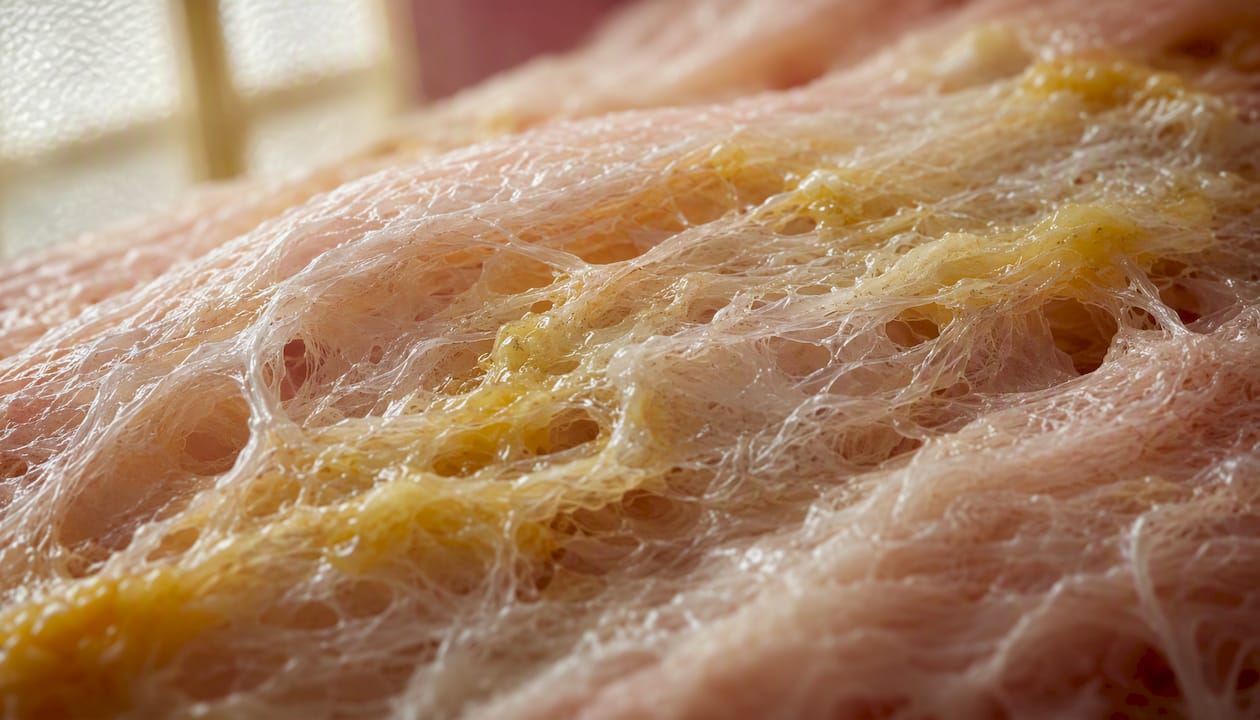
The MDPI review on skin glycation confirms that AGE cross-links stiffen collagen fibers and reduce elasticity, which translates directly into the clinical signs you or your clients notice in the mirror.
Visible and functional effects of AGE accumulation:
Deep, set wrinkles: Cross-linked collagen loses its ability to recoil, so creases become permanent rather than temporary.
Loss of elasticity and firmness: Elastin fibers stiffened by AGEs no longer spring back after facial movement.
Dull or yellowed complexion: Certain AGEs, particularly pentosidine and CML, have a yellow-brown fluorescent color that contributes to a sallow skin tone. If you’ve noticed your skin looking less luminous than it used to, dull aging skin causes are often rooted in exactly this process.
Slower wound healing and repair: AGE-modified collagen disrupts the normal repair cascade, increasing matrix metalloproteinase (MMP) activity and impairing tissue remodeling.
Pigmentation changes and uneven tone: AGEs activate a receptor called RAGE (Receptor for Advanced Glycation End Products), triggering pro-inflammatory signaling that promotes melanin irregularities and uneven pigmentation, as described in research on AGE and RAGE signaling in skin aging.
That RAGE activation matters beyond just pigmentation. It creates a feedback loop: AGE-RAGE signaling increases oxidative stress and inflammation, which in turn promotes more glycation. Early action to reduce drivers can interrupt that cycle before it becomes self-perpetuating.
Statistic callout: Levels of CML, CEL, and pentosidine in skin collagen tend to increase with chronological age, reflecting gradual accumulation over time, reflecting the slow but steady accumulation that occurs when collagen turnover cannot keep pace with AGE formation. This correlation is documented in skin glycomics research on cutaneous aging.
What accelerates glycation? Risk factors ranked by impact
Not everyone accumulates AGEs at the same rate. Several factors speed up the process significantly, and knowing which ones apply to you makes it easier to prioritize where to focus.
Chronological age. Collagen turnover slows naturally with age, giving AGEs more time to accumulate in fibers that aren’t being replaced. This is unavoidable, but it makes managing other risk factors more urgent as you get older.
Chronic high blood sugar and diabetes. Persistently elevated glucose provides a constant supply of sugar molecules to drive glycation. People with poorly controlled diabetes accumulate AGEs at a measurably faster rate than those with normal glycemic control.
High-glycemic diet and added sugar. Even without diabetes, a diet heavy in refined carbohydrates and added sugars creates repeated glucose spikes that accelerate internal AGE formation. White bread, sugary drinks, and ultra-processed snacks are the main culprits.
Dietary AGEs from high-heat cooking. Foods cooked at high temperatures, particularly grilled, fried, or roasted meats and processed foods, contain preformed exogenous AGEs that are partially absorbed and add to your body’s total AGE burden. Research on glycation and systemic aging confirms that dietary AGEs from thermally processed foods amplify skin AGE accumulation.
Smoking. Cigarette smoke delivers reactive carbonyl compounds directly into the body and skin, accelerating AGE formation through pathways independent of blood sugar.
UV exposure. Ultraviolet radiation acts as a catalyst for AGE formation in skin tissue, making sun protection a foundational anti-glycation strategy rather than an optional extra. UV also degrades existing collagen, leaving skin more vulnerable to cross-linking damage.
Oxidative stress and poor sleep. Chronic oxidative stress overwhelms the glyoxalase defense system, allowing more methylglyoxal to form AGEs. Poor sleep impairs cellular repair and compounds oxidative burden.
Pro Tip: Two high-impact dietary swaps that reduce exogenous AGE intake: replace grilled or fried chicken with poached or steamed chicken (high-heat cooking multiplies AGE content), and swap processed breakfast cereals for steel-cut oats with berries. Both changes are easy to sustain and meaningfully lower your daily AGE load.
Can glycation be reversed? What the research actually shows
The honest answer is that established AGE cross-links in collagen are largely irreversible with current interventions. Once glucosepane or pentosidine bonds form between collagen fibers, no approved topical or oral treatment breaks them. What you can do is slow further accumulation, reduce the downstream inflammatory damage, and improve the visible appearance of already-affected skin.
The PMC review on protective mechanisms frames this clearly: the goal is managing the rate of AGE accumulation rather than eliminating glycation entirely. That framing is realistic and still leaves meaningful room for improvement.
Category | Intervention | Evidence Level |
Proven / clinically supported | Reducing dietary sugar and high-GI foods | Strong (mechanistic + epidemiological) |
Proven / clinically supported | Daily broad-spectrum sun protection | Strong (UV amplifies AGE formation) |
Proven / clinically supported | Smoking cessation | Strong (removes a direct AGE source) |
Proven / clinically supported | Glycemic control (diet, exercise, medical management) | Strong for people with diabetes |
Moderate / probable | Topical antioxidants (vitamin C, vitamin E, niacinamide) | Moderate (reduce oxidative AGE drivers) |
Moderate / probable | Retinoids (stimulate collagen turnover) | Moderate (indirect benefit) |
Experimental / limited | Topical AGE inhibitors (e.g., aminoguanidine) | Limited (proof-of-concept in reconstructed skin models only) |
Experimental / limited | Enzymatic AGE-breaker compounds | Experimental (no approved clinical standard) |
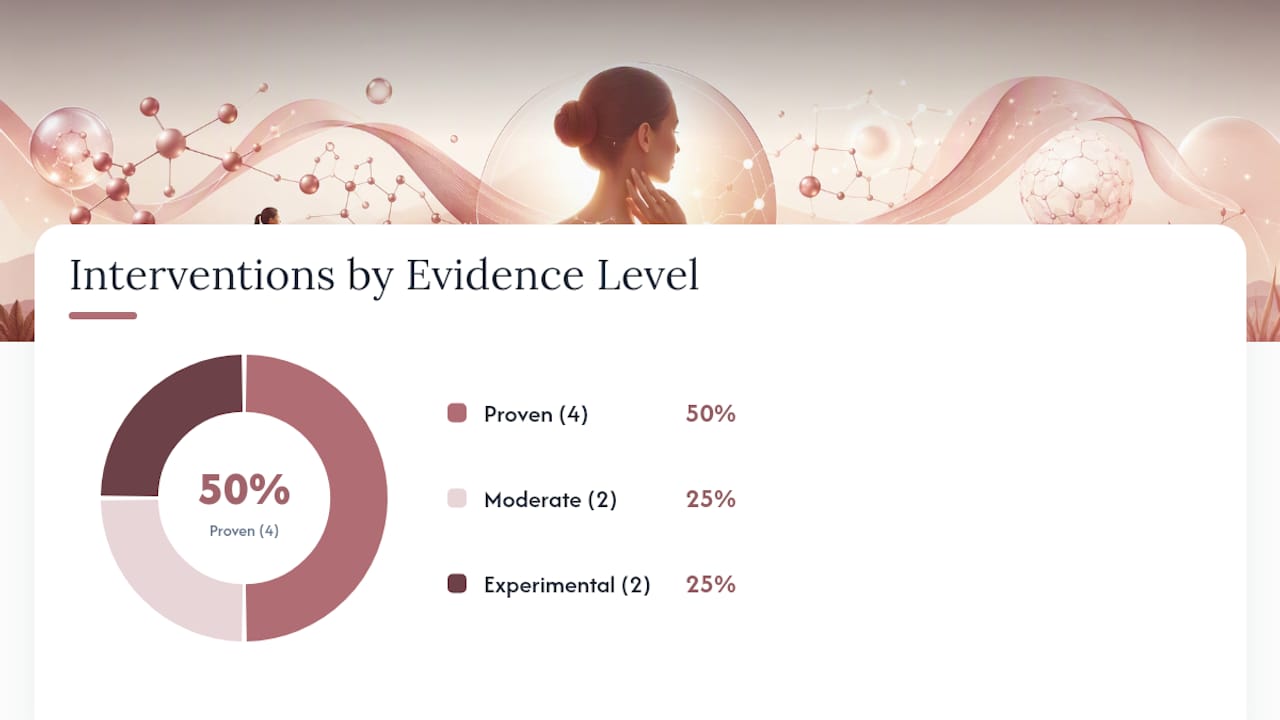
On the experimental side, aminoguanidine has received attention as an AGE inhibitor. A reconstructed skin model study showed it prevented glycation-induced dermal and epidermal changes in lab conditions, which is a meaningful proof-of-concept. It is not, however, a clinical standard of care, and no topical aminoguanidine product has cleared the bar for proven efficacy in human clinical trials.
The practical takeaway: invest most of your effort in the proven strategies, use topical antioxidants as a sensible adjunct, and approach AGE-reversal claims in product marketing with healthy skepticism.
How clinicians and researchers measure skin glycation
Measuring AGE burden in living skin is more nuanced than a simple blood test. Clinicians and researchers use several complementary methods, each with its own strengths and limitations.
Skin autofluorescence (SAF):
SAF uses a device that shines near-UV light on the forearm skin and measures the fluorescent signal emitted by accumulated AGEs, particularly pentosidine and CML.
It is noninvasive, takes about a minute, and provides a cumulative AGE index that correlates with long-term metabolic and cardiovascular risk.
Limitation: accuracy varies with skin pigmentation. Darker skin tones absorb more light, which can underestimate the true AGE signal. Device calibration also affects reliability.
SAF is documented as a widely used noninvasive marker in the PMC review on skin AGE measurement methods.
Biopsy-based biochemical assays:
A small skin sample is analyzed in a laboratory to directly quantify specific AGEs (glucosepane, pentosidine, CML, CEL) in collagen.
This is the most accurate method and the gold standard for research, but it is invasive and not practical for routine clinical monitoring.
Clinical photography and validated scales:
Standardized photography under consistent lighting captures changes in skin tone, texture, and elasticity over time.
Validated clinical scales assess wrinkle depth, skin laxity, and complexion evenness.
Photography is practical, accessible, and essential for tracking treatment response in a clinical setting.
Pro Tip: If you’re starting an anti-glycation program, ask your clinician to take standardized baseline photographs at your first appointment. Consistent lighting and angles make it possible to objectively compare results at three and six months, which is far more useful than relying on memory or subjective impression.
The skin glycomics review calls for including AGE measurement strategies in aesthetic dermatology plans, precisely because a baseline measurement makes it possible to personalize interventions and track whether they are working.
Practical lifestyle and dietary steps to reduce glycation
Prevention is where you have the most control. These steps address both internal AGE formation and the external factors that amplify it.
Reduce high-GI and simple sugars. White rice, white bread, sugary drinks, and sweets cause rapid glucose spikes that drive glycation. Swap for whole grains, legumes, and fiber-rich vegetables that release glucose slowly.
Choose low-heat, moist cooking methods. Boiling, steaming, poaching, and slow-cooking at lower temperatures generate far fewer exogenous AGEs than grilling, frying, or roasting at high heat. The same chicken breast has dramatically different AGE content depending on how it’s cooked.
Increase antioxidant-rich whole foods. Berries, leafy greens, green tea, and colorful vegetables supply polyphenols and vitamins that support the glyoxalase system and reduce oxidative stress, slowing the conversion of dicarbonyls to AGEs.
Maintain healthy weight and glycemic control. Excess adipose tissue and insulin resistance both elevate circulating glucose and reactive dicarbonyls. Even modest weight loss in those who are overweight can improve glycemic markers.
Stop smoking. Cigarette smoke is a direct source of reactive carbonyls that bypass the body’s normal defenses and deposit AGEs in skin tissue.
Prioritize sleep. Seven to nine hours of quality sleep supports cellular repair and keeps oxidative stress in check. Chronic sleep deprivation measurably increases inflammatory markers that compound glycation damage.
Exercise regularly. Both resistance training and aerobic exercise improve insulin sensitivity and glucose uptake, reducing the circulating sugar available for glycation. Aim for at least 150 minutes of moderate activity per week.
Apply broad-spectrum sunscreen daily. UV exposure is a direct amplifier of AGE formation in skin, as confirmed by research on exogenous glycation drivers. SPF 30 or higher, applied every morning, is non-negotiable. For guidance on choosing the right formula, choosing sunscreen for pigmented skin is a practical starting point.
A sample low-AGE day:
Breakfast: Steel-cut oats with blueberries and walnuts, green tea.
Lunch: Poached salmon with steamed broccoli and quinoa.
Dinner: Slow-cooked lentil soup with leafy greens and olive oil.
Snacks: Apple slices with almond butter, a small handful of mixed berries.
Supplements: Some evidence supports the use of vitamin C, vitamin E, and B vitamins (particularly B1 and B6) in supporting the body’s anti-glycation defenses, though supplement research is less robust than dietary evidence. Carnosine has shown anti-glycation activity in laboratory studies. Approach supplement claims cautiously, confirm with a healthcare provider before adding them, and treat them as a complement to diet, not a replacement. A broader review of vitamins supporting aging skin health covers the evidence landscape in more detail.
Pro Tip: When reading food labels, look for “added sugars” on the nutrition facts panel, not just total sugars. Added sugars above 5g per serving in a single food are a red flag. Also watch for “glucose syrup,” “dextrose,” “maltose,” and “corn syrup” in the ingredients list, all of which drive glycation just as effectively as table sugar.
Skincare ingredients that target glycation-related damage
Topical skincare can’t break existing AGE cross-links, but the right ingredients can slow further formation, reduce oxidative drivers, and support collagen turnover. That combination produces real, visible improvement over time.
Vitamin C (L-ascorbic acid): A potent antioxidant that neutralizes reactive oxygen species involved in AGE formation and supports collagen synthesis. Concentrations of 10–20% in a stable formulation are most effective. Apply in the morning before sunscreen. The clinical role of antioxidants in protecting aging skin is covered in depth in why antioxidants matter for aging skin.
Vitamin E (tocopherol): Works synergistically with vitamin C to extend antioxidant protection. Often found combined with vitamin C in morning serums.
Niacinamide (vitamin B3): Reduces oxidative stress, supports the skin barrier, and has shown some ability to inhibit the transfer of melanin, which helps address the uneven tone linked to RAGE-mediated pigmentation changes. Concentrations of 4–10% are well-tolerated and effective.
Retinoids (retinol, tretinoin): Stimulate collagen turnover and increase dermal remodeling, which indirectly reduces the proportion of heavily glycated, older collagen fibers. Use in the evening; start at a lower concentration and build tolerance gradually.
Peptides: Signal peptides (such as palmitoyl tripeptide-1) support collagen production and can improve skin firmness over time. They are well-tolerated and suitable for sensitive skin.
Topical AGE inhibitors (aminoguanidine): Historically studied as an AGE inhibitor, aminoguanidine showed promise in reconstructed skin model research, but it has not become a clinical standard. Some brands include it in formulations, though consumer-grade evidence remains limited.
Caveat: No topical ingredient has been proven to reverse established AGE cross-links in human skin. The distinction between slowing new AGE formation and breaking existing cross-links is significant. Treat topical anti-glycation claims with the same scrutiny you’d apply to any cosmetic marketing.
Suggested routine:
Evening: Gentle cleanser → retinoid (2–3 nights per week to start) or peptide serum → hydrating, repair-focused moisturizer.
Pro Tip: Layer your vitamin C serum under sunscreen, not over it. Vitamin C oxidizes when exposed to UV, so applying it beneath SPF keeps it active longer and gives you the combined benefit of antioxidant protection plus physical UV blocking.
In-clinic treatments that improve glycation-damaged skin
Professional treatments address the visible consequences of glycation, such as lost firmness, dullness, and texture changes, by stimulating collagen remodeling, improving surface quality, and providing structural support. Evidence quality varies across modalities, so understanding what each offers helps you have a more informed conversation with your provider.
Chemical and biomimetic peels (evidence: moderate to strong for surface improvement). Medical-grade peels remove damaged surface layers and stimulate dermal remodeling. Biomimetic peels, like the Larimedical peel available at Fundamentalskin, use ingredients that mimic the skin’s own repair signals, making them effective for texture, tone, and collagen support with minimal downtime. Expected outcomes: improved luminosity, more even tone, and smoother texture after a course of treatments.
Fractional lasers and radiofrequency (evidence: moderate). These energy-based devices create controlled micro-injury or thermal stimulation in the dermis, prompting collagen remodeling. They can improve skin laxity and texture, though robust randomized data specifically targeting glycation outcomes are limited. Downtime ranges from none (non-ablative radiofrequency) to several days (ablative fractional laser).
Microneedling with or without PRP (evidence: moderate). Microneedling creates micro-channels that stimulate collagen production. Adding platelet-rich plasma (PRP) may enhance the regenerative response. Suitable for texture and mild laxity; typically requires a series of three to six sessions.
LED therapy (evidence: moderate for inflammation and collagen support). Red and near-infrared LED wavelengths support mitochondrial function in skin cells and reduce inflammation, including the RAGE-mediated inflammatory signaling linked to glycation. Low downtime makes it a practical add-on to other treatments.
Dermal fillers for structural support (evidence: strong for volume restoration). Fillers don’t address glycation directly, but they restore the structural volume lost when cross-linked collagen can no longer support facial architecture. Results are immediate; maintenance is required every 12–18 months depending on the product used.
Questions to ask at your consultation:
What is your assessment of my current skin condition, and which treatments are most appropriate for my specific concerns?
How many sessions will I need, and what is the realistic timeline for visible results?
What is the downtime for each recommended treatment, and are there any contraindications for my skin type?
Can you show me before-and-after documentation from clients with similar concerns?
What home-care routine will support and extend the results of in-clinic treatments?
A dermal clinician’s approach to assessing and treating glycation-related aging
A structured, stepwise approach produces better outcomes than jumping straight to treatments. Here is how a personalized glycation-focused plan typically unfolds in a clinical setting.
Assessment and baseline documentation. A thorough history covers diet, sun exposure, smoking, sleep, and any metabolic conditions. Standardized photography establishes a visual baseline. Where SAF measurement is available, it adds an objective AGE index to guide the plan.
Home-care foundation. Before any in-clinic treatment, the daily routine must be in place: dietary sugar reduction, daily SPF, a vitamin C serum, and a retinoid or peptide for evening use. In-clinic results are significantly better when the home-care foundation is solid.
Targeted in-clinic treatments. Based on the assessment, treatments are selected and sequenced. A biomimetic peel course is often the first clinical step for addressing dullness, texture, and tone, followed by energy-based treatments if deeper remodeling is needed.
Maintenance and monitoring. Progress is reviewed at three and six months using photography and clinical assessment. The plan is adjusted based on response, and maintenance treatments are scheduled to prevent regression.
What to look for in a provider:
Formal qualifications in dermal therapy or aesthetic medicine, with demonstrable experience in skin aging.
A consultation process that includes a skin history and baseline photography before recommending treatments.
Transparent before-and-after documentation from real clients with similar concerns.
A willingness to explain the evidence level for each recommended treatment rather than promising outcomes that the science doesn’t support.
Your daily routine to reduce glycation-related skin aging
Consistency matters more than complexity. A routine you follow every day will outperform an elaborate one you abandon after two weeks.
Morning:
Cleanse gently with a pH-balanced, non-stripping cleanser.
Apply a vitamin C serum (10–20% L-ascorbic acid) while skin is slightly damp.
Follow with a niacinamide moisturizer or a moisturizer containing peptides.
Finish with broad-spectrum SPF 30+ sunscreen. Reapply if you’re outdoors for more than two hours.
With breakfast, choose low-GI foods and avoid sugary drinks.
Evening:
Double cleanse if you’ve worn sunscreen or makeup (oil cleanser first, then gentle foaming cleanser).
Apply a retinoid (2–3 nights per week to start) or a peptide serum on non-retinoid nights.
Seal with a hydrating, repair-focused moisturizer containing ceramides or hyaluronic acid.
Weekly:
One gentle exfoliation session (enzyme exfoliant or a low-concentration AHA) to support surface renewal.
One LED or mask session if you have access to a device or professional treatment.
Review your diet for the week: identify where added sugars crept in and plan swaps for the following week.
Dos and don’ts:
Do reapply sunscreen midday if you’re spending time outdoors.
Do drink water consistently throughout the day to support skin hydration and cellular function.
Don’t skip your evening cleanse, even on tired nights. Leaving sunscreen and environmental residue on skin overnight increases oxidative stress.
Don’t layer multiple active ingredients (vitamin C, retinoid, AHA) in the same application. Alternate them to avoid irritation.
For a broader view of how these steps fit into a long-term skin health plan, aging skin care best practices is a practical companion resource.
Why glycation deserves a place in every anti-aging plan
Most conversations about skin aging focus on sun damage and collagen loss, and both matter. But glycation is a third driver that often goes unaddressed, quietly stiffening the collagen that’s left and dulling the skin tone that treatments are trying to brighten. In clinical practice, clients who make meaningful dietary changes alongside their in-clinic treatments consistently see better and longer-lasting results than those who rely on treatments alone. The skin responds to what you put in your body just as much as what you put on it.
If you’re ready to understand where your skin stands and build a plan that addresses glycation alongside other aging drivers, a personalized assessment with a qualified Dermal Clinician is the most direct path forward.
Treat glycation-damaged skin with Fundamentalskin

At Fundamentalskin, Chevonne combines clinical assessment, evidence-based treatments, and personalized home-care guidance to address the full picture of skin aging, including the effects of glycation on collagen, tone, and texture. The Biomimetic Peel + LED Therapy is a particularly effective starting point: the biomimetic peel stimulates dermal remodeling and improves surface quality, while LED therapy supports collagen function and reduces inflammation, including the RAGE-mediated signaling that glycation triggers. Together, they address both the visible signs and the underlying inflammatory environment.
BOOK YOUR CONSULTATION and take the first step toward healthier, more luminous skin.
Trusted research and clinical resources
These peer-reviewed reviews and clinical resources back the claims in this article and are worth reading if you want to go deeper.
Research Advances on the Damage Mechanism of Skin Glycation and Related Inhibitors — MDPI Nutrients review covering AGE species in skin, inhibitor research, and measurement approaches. A strong starting point for understanding the full scope of glycation in skin.
Advanced Glycation End Products in the Skin: Molecular Mechanisms, Methods of Measurement, and Inhibitory Pathways — PMC review detailing the Maillard reaction stages, reactive dicarbonyls, SAF measurement, and inhibitory strategies. Useful for understanding both the mechanism and how it’s measured clinically.
Effects of Protein Glycation and Protective Mechanisms Against Glycative Stress — PMC review on endogenous defenses (glyoxalase system, proteasome) and why they decline with age. Relevant for understanding why complete reversal is unlikely and why supporting these systems matters.
Glycation Damage: A Possible Hub for Major Pathophysiological Disorders and Aging — PMC review on exogenous AGE sources (diet, UV, smoking) and systemic effects. Particularly useful for the lifestyle and prevention sections.
Skin Glycomics: Unmasking the Role of Glycation End Products in Cutaneous Aging and Dermatology — PubMed review on clinical implications of AGEs in skin aging, SAF measurement, and the case for including anti-glycation strategies in aesthetic dermatology.
Experimental reconstructed skin model of glycation — PubMed study showing aminoguanidine prevented glycation-induced changes in reconstructed skin models. Relevant for understanding the experimental evidence on AGE inhibitors.
This article is general information, not a substitute for advice from a qualified doctor. Consult a qualified healthcare professional about your own circumstances before acting on anything here.
Sources
Research Advances on the Damage Mechanism of Skin Glycation and Related Inhibitors
Effects of Protein Glycation and Protective Mechanisms Against Glycative Stress
Glycation Damage: A Possible Hub for Major Pathophysiological Disorders and Aging - PMC
Skin Glycomics: Unmasking the Role of Glycation End Products in Cutaneous Aging and Dermatology
Experimental reconstructed skin model of glycation (PubMed entry)
Recommended
Comments