.png)
Skin Pigmentation Best Practices: Your 2026 Guide

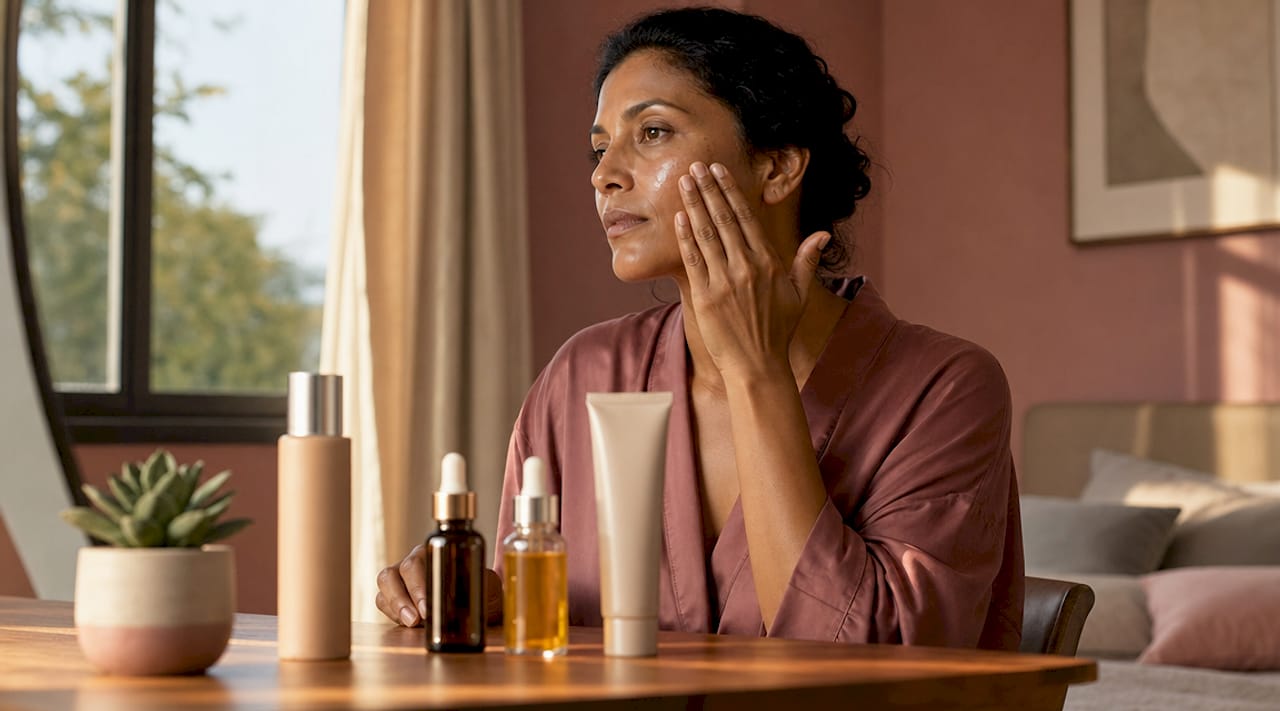
Skin pigmentation best practices are defined as a structured set of daily and clinical measures that prevent, treat, and maintain control over melanin-related discoloration disorders. The 2026 global consensus on melanin hyperpigmentation disorders confirms that no single treatment works in isolation. Effective management combines broad-spectrum photoprotection, evidence-based topical agents, and carefully timed procedural interventions, all personalized to your specific pigmentation type and skin characteristics. Whether you are managing melasma, postinflammatory hyperpigmentation (PIH), or solar lentigines, the framework is the same: protect first, treat second, maintain always.
1. Photoprotection is the foundation of every pigmentation plan
Broad-spectrum photoprotection with SPF 50 or higher, combined with UVA and visible light filters, is the single most critical step in preventing and managing melanin hyperpigmentation. Without it, every topical treatment and procedure you invest in will underperform. UV exposure triggers melanocyte activity, and even brief daily exposure adds up to significant pigment accumulation over time.
What most people miss is the role of visible light. Standard sunscreens block UVB and UVA, but visible light contributes to melasma and other pigmentary disorders in ways conventional formulas do not address. Tinted sunscreens containing iron oxides fill that gap. They block high-energy visible light and have been shown to significantly improve melasma outcomes compared to untinted SPF alone.
Your photoprotection routine should include:
SPF 50+ broad-spectrum sunscreen applied every morning as the last step before makeup
A tinted formula with iron oxides if you have melasma or visible-light-sensitive pigmentation
Reapplication every two hours when outdoors, and after sweating or swimming
Physical sun avoidance between 10 a.m. and 4 p.m. using shade, wide-brim hats, and UV-protective clothing
Sunglasses that block UV to protect the delicate periorbital skin
Pro Tip: Photoprotection applies indoors too. Sitting near windows exposes you to UVA and visible light year-round. Apply your SPF every morning regardless of whether you plan to go outside.
Sunscreen formulations that include anti-inflammatory and antioxidant additives, such as niacinamide, vitamin E, or green tea extract, offer an added layer of pigment control beyond UV blocking alone.
2. First-line topical treatments that actually work
Topical therapy is the first line of treatment for most hyperpigmentation disorders, including melasma and PIH. The most clinically supported agents include hydroquinone, azelaic acid, retinoids, niacinamide, vitamin C (ascorbic acid), and tranexamic acid. Each works through a different mechanism, which is why combination formulas often outperform single-ingredient products.
Hydroquinone remains the gold standard depigmenting agent for short-term induction therapy. Azelaic acid and niacinamide are gentler options suited to sensitive skin or longer-term use. Vitamin C inhibits melanin synthesis and provides antioxidant protection, making it a strong morning-routine addition. Tranexamic acid, both topical and oral, has gained significant clinical support for melasma specifically.
Induction phase: Use active agents like hydroquinone or a combination brightening formula for 8 to 12 weeks to reduce visible pigmentation
Maintenance phase: Transition to non-hydroquinone agents like azelaic acid, niacinamide, or topical tranexamic acid to prevent relapse
Avoid irritants: Fragrances, harsh exfoliants, and alcohol-based products can trigger inflammation and worsen PIH
Retinoids serve a dual role as depigmenting agents and anti-aging treatments, but they require careful introduction. Starting too aggressively causes irritation, which can paradoxically worsen pigmentation, particularly in darker skin tones. Begin with a low-concentration retinol two to three nights per week and increase gradually.
Oral tranexamic acid shows clinically meaningful improvement as an adjunct for melasma, but it requires screening for thrombotic risk factors before use. This is a prescription-level decision made with a clinician, not a supplement to self-prescribe.
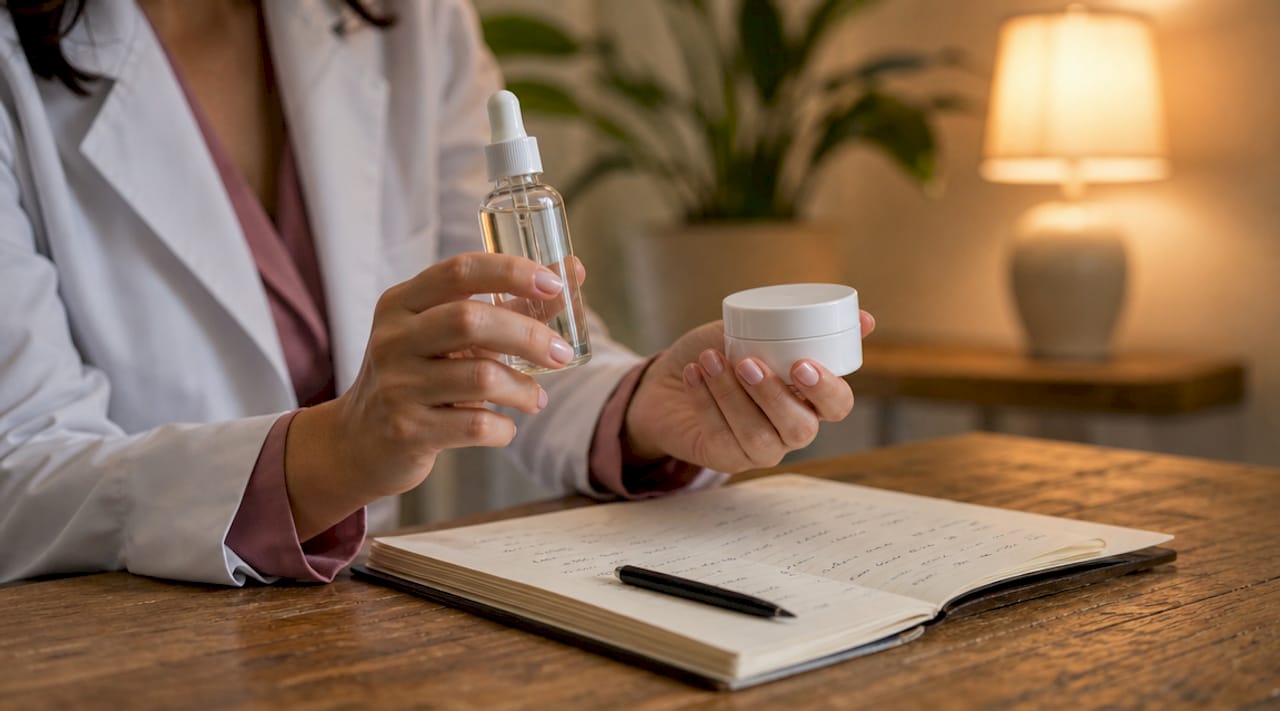
Pro Tip: Layering a vitamin C serum in the morning under your SPF, and a retinoid or azelaic acid at night, creates a complementary brightening cycle that works around the clock without overlap or irritation.
3. How procedural treatments fit into your pigmentation plan
Procedural treatments, including chemical peels, microneedling, laser therapy, and intense pulsed light (IPL), are second-line options. They are most effective when the skin has been prepared with topical lightening agents first. Jumping straight to procedures without this preparation increases the risk of postinflammatory hyperpigmentation, particularly in medium to darker skin tones.
The 2026 global guideline recommends skin preparation with lightening agents before any energy-based procedure. This typically means four to six weeks of topical therapy prior to treatment. The goal is to reduce baseline melanin activity so the procedure works more precisely and with less inflammatory response.
Here is how to approach procedural care safely:
Pre-procedure: Apply a topical lightening regimen for at least four weeks. Avoid sun exposure and discontinue retinoids one week before treatment.
During treatment: Work with a clinician experienced in your skin phototype. Lower fluence settings and longer pulse durations reduce thermal injury risk in skin of color.
Post-procedure: Resume strict photoprotection immediately. Use gentle, fragrance-free skincare for at least two weeks. Reintroduce actives gradually.
Ongoing: Schedule maintenance treatments based on your skin’s response, not a fixed calendar.
For skin of color specifically, pre-procedure planning with sun avoidance, skin-lightening prophylaxis, and post-procedure photoprotection substantially reduces pigmentary complications. This is not optional caution. It is the standard of care.
Procedure type | Best suited for | Key precaution |
Chemical peels | Melasma, PIH, dull texture | Pre-treat with lightening agents; avoid in active inflammation |
Laser (Q-switched, fractional) | Lentigines, deeper pigmentation | Lower settings for darker skin tones; strict post-care required |
IPL | Superficial pigmentation, vascular redness | Not recommended for active melasma without careful assessment |
Microneedling | PIH, textural irregularity | Combine with topical actives; avoid in inflamed skin |
You can explore how these procedural options compare across skin types and pigmentation subtypes to help you make an informed decision before booking any treatment.
4. Personalizing your approach by pigmentation type
Not all pigmentation responds to the same treatment. Melasma, PIH, and solar lentigines each have distinct triggers, depths, and behaviors that require tailored strategies.
Melasma is a chronic condition driven by UV, visible light, heat, and hormonal factors. Melasma management must be treated as an ongoing process, not a one-time fix. Relapse is common when photoprotection lapses, which is why tinted SPF and maintenance topicals are non-negotiable long-term.
Postinflammatory hyperpigmentation follows skin injury or inflammation, including acne, eczema, or procedural trauma. The priority here is calming the inflammatory trigger first, then addressing the pigment. Azelaic acid and niacinamide are particularly well-suited because they address both inflammation and melanin production simultaneously.
Solar lentigines (sun spots) are superficial and respond well to topical vitamin C, retinoids, and targeted procedures like IPL or laser. They are among the most treatable forms of pigmentation when caught early.
Effective management also requires looking beyond melanocytes. Personalized treatment must address the skin microenvironment, including inflammation, fibroblast activity, and vascular factors, to achieve durable results. This is why a clinician-led approach consistently outperforms a self-directed one.
Identify your pigmentation subtype before selecting treatments
Match your topical agents to both the pigmentation type and your skin’s sensitivity level
Build in a maintenance phase from the start, not as an afterthought
Reassess your regimen every 8 to 12 weeks and adjust based on visible response
For those managing aging skin alongside pigmentation, the overlap in treatment goals, particularly around retinoids and antioxidants, means a well-designed routine can address both concerns at once.
Key takeaways
Effective skin pigmentation management requires daily broad-spectrum photoprotection, evidence-based topical therapy, and personalized procedural care to prevent relapse and achieve lasting improvement.
Point | Details |
Photoprotection is non-negotiable | Use SPF 50+ with iron oxides daily, indoors and outdoors, to block UV and visible light. |
Topical therapy follows a two-phase model | Use active agents for induction, then transition to gentler maintenance formulas to prevent relapse. |
Procedures require skin preparation | Pre-treat with lightening agents for four to six weeks before any chemical peel or laser treatment. |
Pigmentation type determines treatment | Melasma, PIH, and lentigines each need different topical agents and procedural approaches. |
Microenvironment matters | Targeting inflammation and vascular factors alongside melanocytes produces more durable results. |
What 15 years of treating pigmentation has taught me
The most common mistake I see is people skipping straight to procedures without building a solid topical foundation first. They come in frustrated after a peel or laser treatment that seemed to make their pigmentation worse, and in most cases, the skin simply was not prepared. The 2026 guidelines confirm what I have observed clinically for years: topical preparation is not a formality. It is what determines whether a procedure helps or harms.
The second thing I have learned is that photoprotection adherence is the single biggest predictor of long-term results. Clients who commit to daily SPF, including tinted formulas on overcast days and indoors near windows, maintain their results far longer than those who treat sunscreen as optional. Melasma in particular will return if visible light exposure is not controlled, regardless of how good the treatment was.
I also want to be honest about expectations. Pigmentation treatment is a process measured in months, not weeks. Realistic timelines, consistent routines, and a willingness to adjust the plan based on how your skin responds are what separate clients who see lasting change from those who cycle through products without progress. My advice: start with photoprotection, add one active at a time, and consult a qualified Dermal Clinician before adding procedures to your plan.
— Chevonne
Ready to take the next step with your skin?
If you are ready to move beyond guesswork and get a personalized plan for your pigmentation concerns, Fundamentalskin offers clinical treatments designed specifically for women dealing with uneven skin tone, melasma, and discoloration. Chevonne’s 15 years of experience as a qualified Dermal Clinician means your treatment is built around your skin, not a generic protocol.

The Larimedical Biomimetic Peel is one of Fundamentalskin’s most effective options for pigmentation, delivering clinical results without downtime using Australia-sourced, organic ingredients. For a combined approach, the Biomimetic Peel with LED Therapy targets both pigmentation and skin rejuvenation in a single session. Book your consultation and start seeing the difference a personalized plan makes.
FAQ
What is the most effective sunscreen for skin pigmentation?
A tinted broad-spectrum sunscreen with SPF 50 or higher and iron oxides is the most effective option for pigmentation-prone skin. Iron oxides block visible light, which standard sunscreens miss and which is a known trigger for melasma.
Can skin pigmentation be permanently removed?
Most pigmentation disorders, particularly melasma, are chronic conditions that require ongoing management rather than a one-time cure. Treatments reduce and control pigmentation, but relapse is common without consistent photoprotection and maintenance therapy.
How long does it take to see results from topical treatments?
Most topical depigmenting agents require 8 to 12 weeks of consistent use before visible improvement appears. Patience and daily application are more important than switching products frequently.
Is it safe to use chemical peels on darker skin tones?
Chemical peels can be safe and effective for darker skin tones when the skin is properly prepared with lightening agents beforehand and post-procedure photoprotection is strictly followed. Working with a clinician experienced in skin of color significantly reduces the risk of PIH.
What is the difference between melasma and postinflammatory hyperpigmentation?
Melasma is triggered by UV, visible light, and hormonal factors and appears symmetrically on the face. PIH follows skin injury or inflammation, such as acne or eczema, and fades more predictably with the right topical treatment once the underlying trigger is resolved.
Recommended
Comments