.png)
What Does a Skin Consultation Involve in 2026?
- chevonne stewart
- Jun 3
- 8 min read

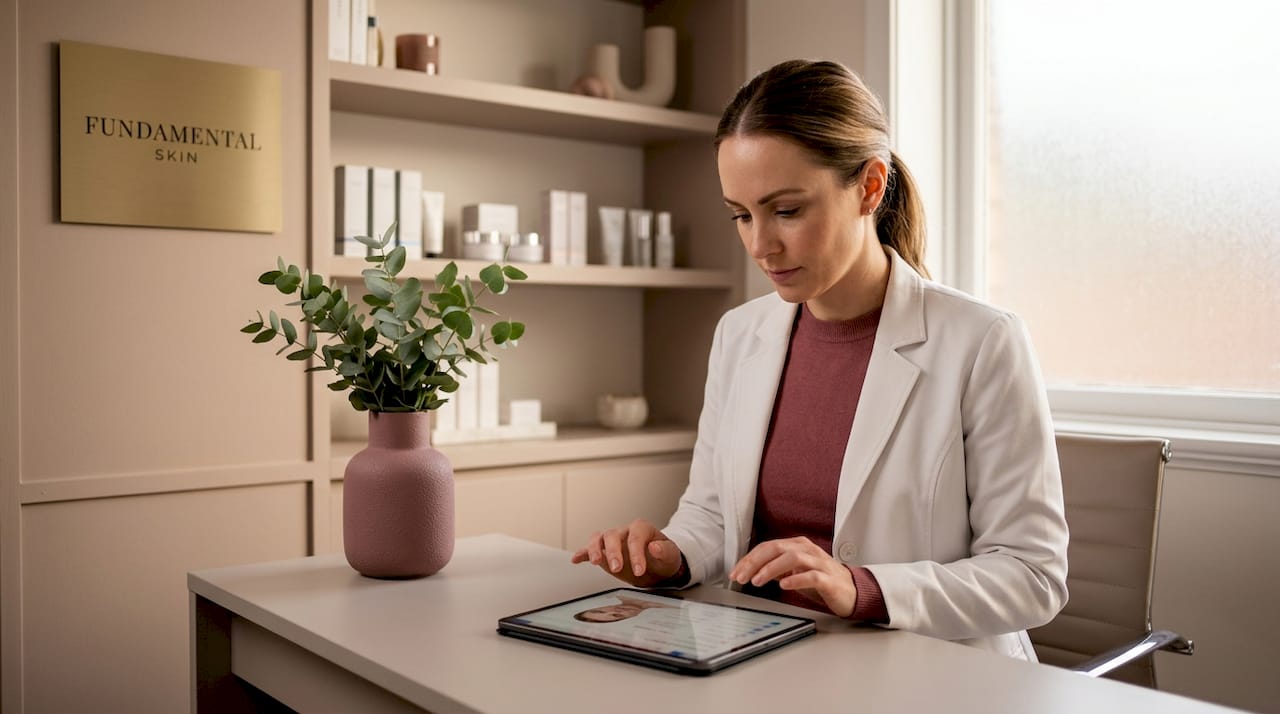
A skin consultation is a structured clinical assessment that evaluates your skin’s current condition, health history, and lifestyle to build a personalized treatment plan. Understanding what does skin consultation involve helps you walk in prepared, confident, and ready to get real results. The process goes well beyond a quick look at your face. It combines medical review, physical examination, and goal-setting into one focused appointment that shapes every treatment decision that follows.
What does a skin consultation involve step by step?
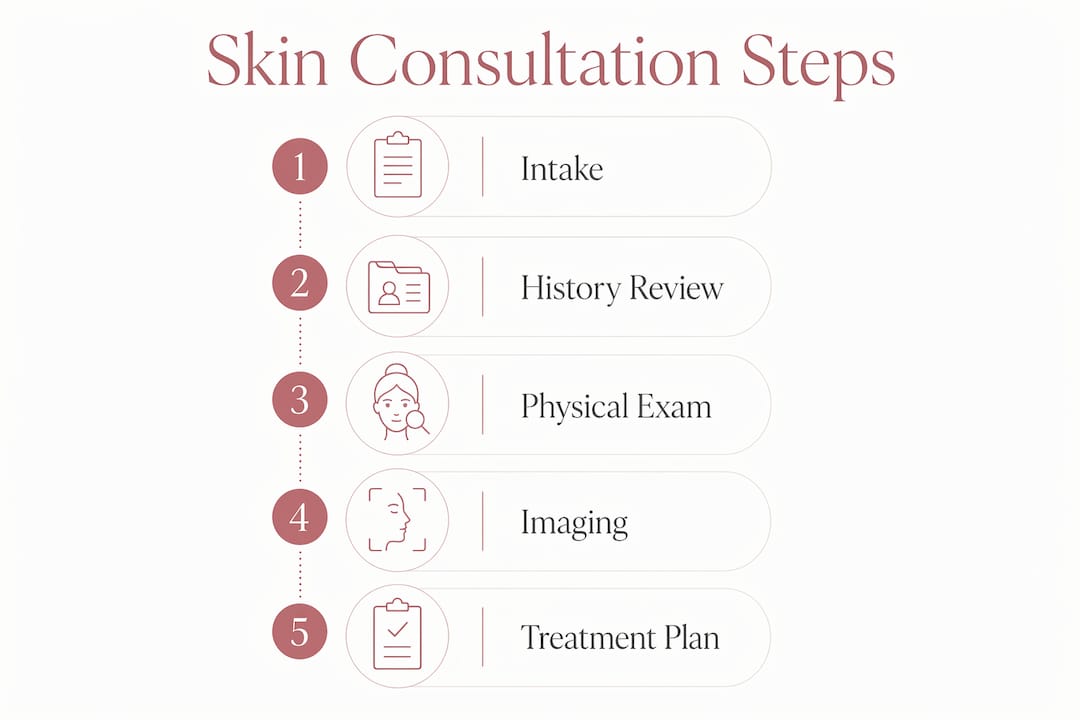
The skin consultation process follows a clear sequence, and each step builds on the last. Knowing what to expect removes the guesswork and helps you make the most of your time with a Dermal Clinician.
Pre-appointment paperwork. Arriving 15 to 20 minutes early is standard practice so you can complete medical history forms covering skin cancer history, allergies, current medications, and autoimmune conditions. This documentation is not administrative formality. It directly shapes which treatments are safe for you.
Skin concern review. Your clinician opens with a structured conversation about your primary concerns, whether that is pigmentation, fine lines, redness, or dull texture. You discuss how long you have had these concerns, what you have tried before, and what outcome you are hoping for.
Visual and physical examination. A full skin inspection uses both standard lighting and specialized tools such as a dermatoscope to examine texture, tone, pore size, and any lesions or moles. Clients typically change into a gown so the clinician can assess the full skin surface without obstruction.
Technology-assisted imaging. Many clinics now use skin analysis devices that capture UV and polarized light images to reveal sun damage, dehydration, and pigmentation that are invisible to the naked eye. This gives you and your clinician an objective baseline to measure progress against.
Documentation and mapping. Findings are recorded in detail, including baseline photography and mapping of any moles or lesions. This record becomes your clinical reference point for every future visit.
Treatment planning discussion. Your clinician presents options, explains realistic timelines, and answers your questions. Clear communication at this stage directly improves how confident and compliant clients feel about their care plan.
Pro Tip: Write down your top three skin concerns before your appointment. Clients who arrive with specific questions leave with more targeted recommendations and clearer treatment timelines.
How do medical history and lifestyle factors shape your consultation?
Your skin does not exist in isolation. What happens inside your body and how you live day to day shows up on your face, and a skilled clinician reads those signals carefully.
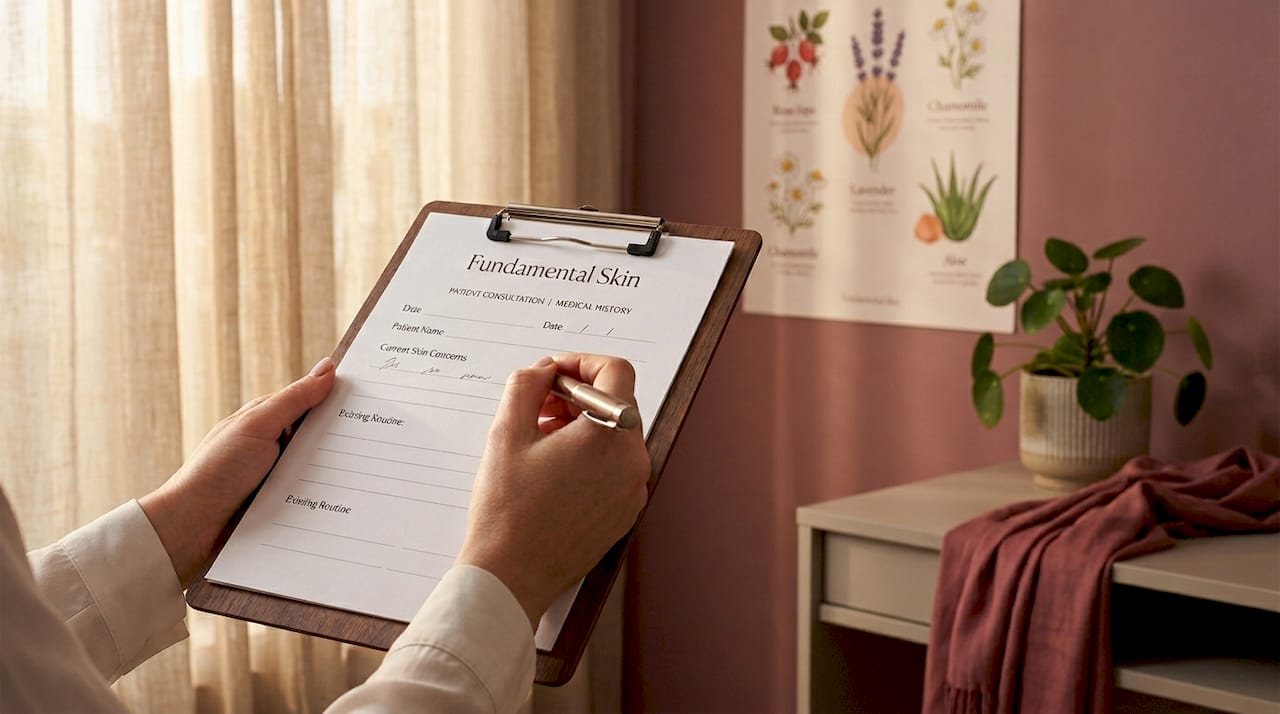
Medical background is the first filter applied to any treatment plan. Conditions like thyroid disorders, anemia, and autoimmune diseases can alter how your skin responds to treatments. Hereditary conditions and a personal or family history of skin cancer change the risk profile entirely. Medications including blood thinners, topical steroids, and hormonal therapies create contraindications that rule out certain procedures before they are even considered. Screening for these factors is not optional. It is what separates a safe treatment plan from a harmful one.
Hormonal changes deserve particular attention for women. Pregnancy, perimenopause, and hormonal contraception all shift how the skin behaves, affecting pigmentation, oil production, and sensitivity. A clinician who understands this can time treatments to work with your hormonal cycle rather than against it.
Lifestyle factors carry equal weight in the assessment. Smoking, diet, stress, and sun exposure each affect skin health and treatment outcomes in measurable ways. A client who smokes heavily or has years of unprotected sun exposure needs a different approach than someone with a clean lifestyle baseline. The same treatment can produce very different results depending on these variables.
“A comprehensive skin assessment reviews both internal and external factors, including hormones, stress, diet, and sun exposure, to screen for contraindications and ensure safe, effective treatment planning.” — The Naked Chemist
Allergies and product sensitivities also come under review. If you have reacted to specific ingredients in the past, your clinician notes these and selects formulations that avoid those triggers. This is especially relevant when personalizing skincare treatments based on individual background and habits.
What are the real benefits of a professional skin consultation?
The benefits of skin consultation extend well beyond receiving a product recommendation. The clinical process delivers outcomes that self-directed skincare simply cannot replicate.
Benefit | What it means for you |
Customized treatment plan | No more guessing which products or procedures suit your skin type and concerns. |
Early problem detection | Moles, lesions, and early pigmentation changes are identified before they progress. |
Baseline record | Photography and documentation allow precise tracking of skin changes over time. |
Contraindication screening | Unsuitable treatments are excluded before they cause harm or wasted expense. |
Realistic expectations | You understand what results are achievable and over what timeframe. |
The baseline record is one of the most undervalued benefits. A documented skin baseline through photography and mole mapping gives your clinician a reference point that makes every follow-up appointment more precise. Changes that would be invisible to memory become measurable on screen.
Contraindication screening protects your investment as much as your health. Spending money on a treatment that is wrong for your skin type or medical profile is a common and avoidable outcome. The consultation process eliminates that risk before it costs you.
Pro Tip: Ask your clinician to show you your baseline images at the end of the consultation. Seeing your skin objectively, rather than in a bathroom mirror, often clarifies which concerns are genuinely significant and which are not.
Education is another concrete gain. Clients who leave a consultation understanding why their skin behaves the way it does make better decisions about home care, sun protection, and product selection. That knowledge compounds over time into meaningfully healthier skin.
What to expect during and after your skin consultation appointment
Knowing the practical flow of the appointment reduces anxiety and helps you show up ready.
Arrive early. Plan to be at the clinic 15 to 20 minutes before your scheduled time to complete intake forms without feeling rushed.
Dress practically. Wear minimal makeup if possible and avoid heavy moisturizers or sunscreen that might obscure the skin’s natural condition during examination.
Expect a gown. The physical examination requires access to more than just your face, so gowning is standard practice at thorough clinics.
Bring your current products. A list of what you currently use, including supplements and prescription medications, gives your clinician the full picture.
Expect a two-way conversation. The consultation is not a monologue. Your clinician presents findings and options, and you ask questions until the plan makes sense to you.
After the examination, your clinician will walk you through the findings, explain what they mean, and outline a treatment pathway. This might include in-clinic procedures, a revised home care routine, or both. You may receive product recommendations tailored to your specific skin profile. Some clinics, including Fundamentalskin, also discuss evidence-based supplements at this stage. Dermatologists now advocate for a nuanced approach to nutricosmetics, separating proven options like marine collagen peptides from those without strong clinical evidence.
Follow-up scheduling happens before you leave. Skin improvement is a process, not a single event, and your clinician will set a realistic timeline with check-in points so progress can be tracked against your baseline. You can explore the full range of skin services and treatments available to understand what comes next after your consultation.
Key takeaways
A skin consultation is the most efficient starting point for any serious skincare goal because it replaces guesswork with clinical evidence.
Point | Details |
Structured process | Consultation follows defined steps: intake, history review, examination, imaging, documentation, and planning. |
Medical history is non-negotiable | Conditions, medications, and hormonal factors determine which treatments are safe and effective for you. |
Lifestyle shapes outcomes | Diet, sun exposure, stress, and smoking directly affect how your skin responds to any treatment. |
Baseline documentation matters | Photography and mole mapping create a clinical record that makes every future appointment more precise. |
Education drives results | Clients who understand their skin make better decisions about home care and maintain results longer. |
Why I think most people underestimate what a consultation actually does
After 15 years as a Dermal Clinician, the pattern I see most often is clients arriving with a treatment already in mind. They want a peel, or they want LED therapy, or they have read about a specific ingredient and want it applied. That confidence is understandable. But it skips the step that makes any of those treatments actually work.
The consultation is where I find out that the pigmentation a client wants to treat is actually melasma triggered by hormonal contraception, which means aggressive resurfacing would make it worse, not better. Or I discover that the redness someone has been treating with calming serums for two years is rosacea with a specific subtype that responds to a completely different protocol. Without that clinical picture, even the best treatment is a guess.
What I have also observed is that personalized protocols combining nutrition, supplements, topical therapies, and procedures are increasingly defining what good skin outcomes look like. This is not a trend. It reflects what the evidence has been pointing toward for years. A consultation that only looks at your skin surface and ignores what you eat, how you sleep, and what medications you take is leaving half the picture blank.
My advice: go into your consultation ready to be surprised. The concern you think is your biggest problem may not be the one your clinician prioritizes first. Trust that sequence. It is built on clinical reasoning, not aesthetics. The clients who see the most dramatic results are the ones who follow the plan rather than the one they arrived with.
Nutricosmetics require providers to separate proven supplements from theoretical ones when advising clients, and that same rigor applies to every recommendation I make. You deserve a plan built on evidence, not trends.
— Chevonne
Start your skin transformation with Fundamentalskin
If you have been wondering what to expect in a skin consultation, the best next step is experiencing one with a clinician who treats your skin as the individual it is.

At Fundamentalskin, Chevonne brings 15 years of Dermal Clinician expertise to every consultation, combining clinical assessment with advanced technology and Australia-sourced organic ingredients. After your consultation, targeted treatments like the Biomimetic Peel + LED Therapy address pigmentation, fine lines, redness, and dull texture without downtime. Every recommendation is grounded in your specific skin profile, not a generic protocol. If you are ready to stop guessing and start seeing real results, book your consultation with Fundamentalskin today.
BOOK NOW at fundamentalskin.online
FAQ
What does a skin consultation involve?
A skin consultation involves a structured review of your medical history, a physical skin examination using specialized tools, technology-assisted imaging, and a personalized treatment planning discussion. The process is designed to assess your skin’s current condition and identify the safest, most effective path forward.
How should I prepare for a skin consultation?
Arrive 15 to 20 minutes early to complete intake paperwork, wear minimal makeup, and bring a list of your current skincare products and medications. Preparing a short list of your top skin concerns helps your clinician focus the assessment on what matters most to you.
How long does a skin consultation take?
A thorough skin consultation typically runs between 45 and 60 minutes, covering history review, physical examination, imaging, and treatment discussion. Clinics that rush this process are skipping steps that directly affect the quality of your treatment plan.
Can a skin consultation detect serious skin conditions?
Yes. The physical examination includes visual inspection for moles, lesions, and early signs of skin cancer, with findings documented through baseline photography and mapping. Early detection at this stage can be clinically significant, particularly for clients with a personal or family history of skin cancer.
What happens after a skin consultation?
After the consultation, your clinician presents a personalized treatment plan that may include in-clinic procedures, a revised home care routine, and supplement recommendations. Follow-up appointments are scheduled to track progress against your documented baseline.
Recommended
Comments