.png)
What Is Skin Resurfacing Treatment? Your Clear Guide
- chevonne stewart
- 3 days ago
- 7 min read


Skin resurfacing treatment is a nonsurgical cosmetic procedure that removes damaged outer skin layers and stimulates new, healthier skin cell growth through collagen remodeling. It addresses pigmentation, fine lines, acne scars, sun damage, and uneven texture without surgery. The main methods include laser resurfacing, chemical peels, and fractional laser treatments, each targeting damaged skin at different depths. If you’re researching your options for a clearer, more even complexion, understanding how each approach works will help you choose confidently.
What does skin resurfacing treatment involve?
Skin resurfacing removes damaged outer layers of skin using controlled energy or chemical agents, then triggers the body’s natural repair process. That repair process is what delivers the real cosmetic benefit. As your skin heals, it produces fresh collagen and new skin cells, resulting in smoother, tighter, and more evenly toned skin.
The procedure works differently depending on the method used, but the core mechanism is consistent across all types:
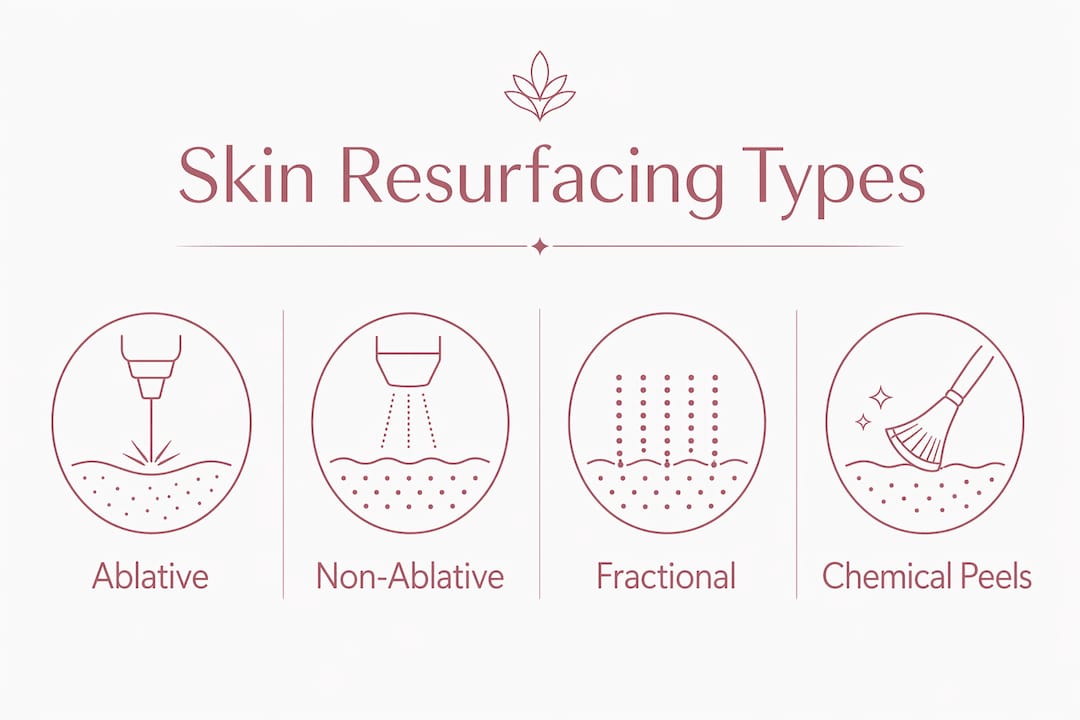
Ablative lasers use focused light energy to vaporize the outer skin layers entirely, creating a controlled wound that heals with new skin.
Non-ablative lasers heat the deeper tissue without removing the surface layer, stimulating collagen without visible surface damage.
Fractional lasers deliver energy in a grid of microscopic columns, leaving surrounding skin intact between each treated point.
Chemical peels apply controlled acids to exfoliate the skin at varying depths, from light surface renewal to deep tissue remodeling.
Collagen remodeling is the reason results continue improving for weeks and months after your visible healing is complete. Redness or pinkness in the early recovery phase does not mean the treatment has stopped working. The deeper structural changes are still happening beneath the surface.
Pro Tip: Ask your provider specifically about collagen remodeling timelines before your treatment. Knowing that visible results build over 3–6 months helps you set realistic expectations and avoid disappointment during early recovery.
What are the main types of skin resurfacing options?
The four primary resurfacing modalities differ in depth, downtime, and the skin concerns they address best. Choosing the right one depends on your skin tone, the severity of your concerns, and how much recovery time you can manage.
Ablative laser resurfacing
Ablative lasers, including CO2 and Er:YAG devices, remove the outer skin layers completely. Ablative laser resurfacing typically delivers noticeable results after a single treatment. The tradeoff is longer downtime, with redness, peeling, and sensitivity lasting days to weeks depending on treatment depth.
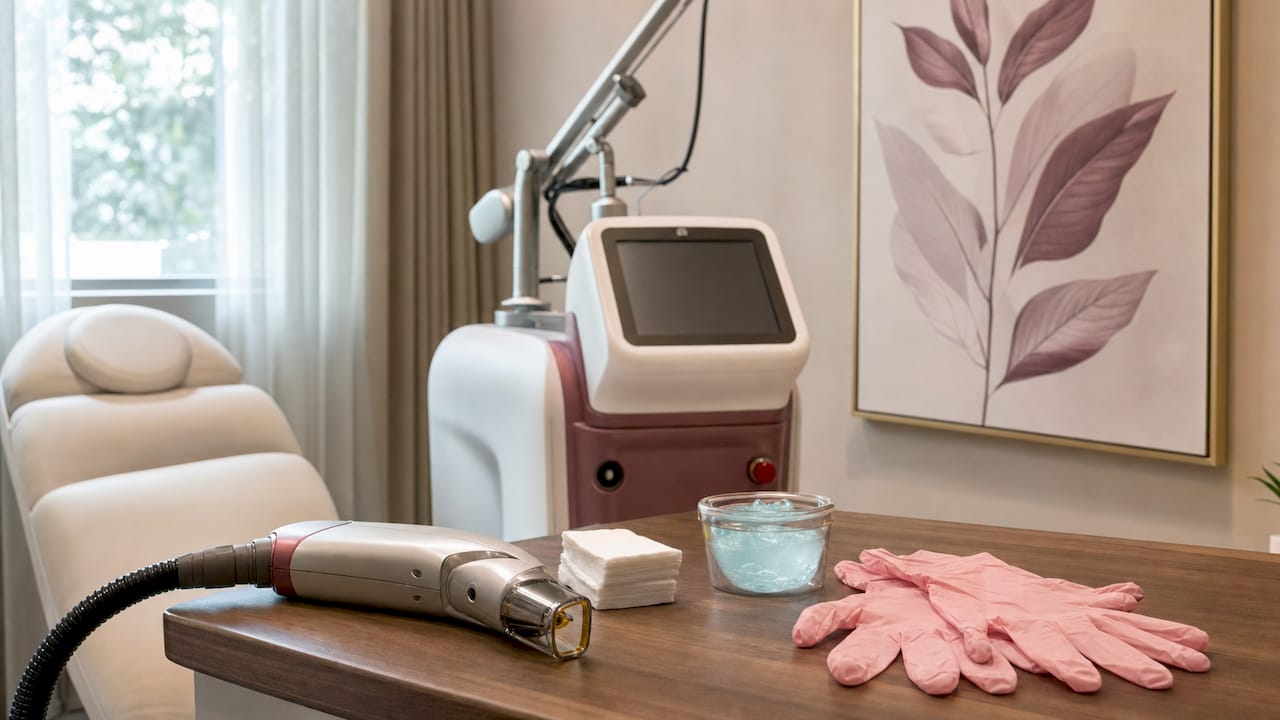
Non-ablative laser resurfacing
Non-ablative lasers heat the dermis without removing the surface. They are gentler and carry less risk of post-treatment complications. The downside is that multiple sessions are usually required, typically 2–4 treatments spaced weeks apart, to achieve results comparable to ablative methods.
Fractional laser resurfacing
Fractional lasers treat only microscopic portions of skin at once, leaving untreated skin between each column of treated tissue. That untreated reservoir accelerates healing and reduces complications compared to full-field ablative treatments. Fractional resurfacing sits between ablative and non-ablative in terms of intensity, offering meaningful results with a shorter recovery window.
Chemical peels
Chemical peels use acids such as glycolic, salicylic, lactic, or trichloroacetic acid to exfoliate the skin at controlled depths. Superficial peels require no downtime and address mild texture and pigmentation concerns. Medium and deep peels penetrate further, treating deeper wrinkles and significant pigmentation, but carry longer recovery times and higher risks.
Treatment type | Depth | Downtime | Sessions needed | Best for |
Ablative laser (CO2, Er:YAG) | Deep | 1–2 weeks | 1 | Deep wrinkles, significant scarring |
Non-ablative laser | Superficial to mid | Minimal | 2–4 | Mild lines, early aging |
Fractional laser | Variable | 3–7 days | 1–3 | Acne scars, moderate texture |
Chemical peel | Superficial to deep | None to 2 weeks | 1–3 | Pigmentation, uneven tone |
Pro Tip: If you have a medium to deeper skin tone, ask your provider about fractional or non-ablative options first. CO2 lasers carry a higher risk of hypopigmentation in darker skin tones, and a tailored approach protects your results.
What skin concerns does resurfacing address?
Skin resurfacing targets a wide range of cosmetic concerns by removing damaged tissue and rebuilding the skin’s surface from below. Common treatment targets include:
Fine lines and wrinkles, particularly around the eyes, mouth, and forehead
Acne scars, including rolling, boxcar, and ice-pick scar types
Sun damage and sunspots, caused by years of UV exposure
Uneven pigmentation, including melasma and post-inflammatory hyperpigmentation
Rough or dull skin texture, where the surface feels uneven or looks flat
Skin lesions, including certain benign growths and surface irregularities
Early signs of aging, including loss of firmness and skin laxity
Skin resurfacing for acne scars is one of the most common reasons people seek treatment. Fractional lasers in particular have become a preferred option for scar remodeling because they penetrate deep enough to reshape scar tissue while preserving the surrounding skin. For pigmentation concerns, successful pigmentation treatment often combines resurfacing with targeted aftercare to prevent recurrence.
The right treatment depends on matching the depth of the concern with the depth of the resurfacing method. Superficial pigmentation responds well to chemical peels or non-ablative lasers. Deeper scars and wrinkles require ablative or fractional approaches to reach the tissue where the structural change needs to happen.
What is recovery like, and what are the risks?
Recovery from skin resurfacing varies significantly by treatment type. Ablative lasers carry the longest downtime, with redness, swelling, and peeling lasting up to two weeks. Non-ablative treatments typically involve minimal visible recovery, with mild redness resolving within 24–48 hours. Fractional lasers fall in between, with most people experiencing 3–7 days of redness and light peeling.
Common side effects across all resurfacing methods include:
Redness and inflammation in the treated area, which is a normal part of healing
Peeling and flaking as the outer skin layers shed and renew
Increased sensitivity to sunlight, making post-treatment skin protection critical
Temporary darkening of existing pigmentation before it fades
Risk of hypopigmentation, particularly with aggressive CO2 laser treatments
CO2 lasers carry a specific risk of causing light spots on the skin, and they are generally recommended for lighter skin tones to minimize that risk. Clients with medium to deeper skin tones benefit from careful device selection and lower treatment intensities to avoid permanent pigmentation changes.
The full benefit of resurfacing develops gradually. Collagen remodeling continues well beyond the visible healing phase, meaning your skin tone, texture, and firmness will keep improving for months after treatment. Providers with clinical experience in skin physiology, not just device operation, are best positioned to guide that process safely. Outcomes are strongest when a qualified clinician tailors the resurfacing technique to your specific skin characteristics and goals.
Key Takeaways
Skin resurfacing treatment delivers its best results when the method is matched to your skin type, concern depth, and recovery tolerance by a qualified clinician.
Point | Details |
Core mechanism | Resurfacing removes damaged skin layers and triggers collagen remodeling for lasting improvement. |
Treatment types | Ablative, non-ablative, fractional lasers, and chemical peels each suit different concerns and downtime tolerances. |
Skin concerns treated | Fine lines, acne scars, pigmentation, sun damage, and rough texture all respond to resurfacing. |
Recovery timeline | Visible healing is only the first phase. Collagen remodeling and full results develop over months. |
Pigmentation risk | CO2 lasers carry hypopigmentation risk in darker skin tones. Fractional and non-ablative options reduce that risk. |
What I’ve learned after 15 years of treating skin
Most clients come to me having already researched laser resurfacing online. They arrive with a specific device name in mind, often CO2, because it appears in every “best results” article. What those articles rarely say is that the device name matters far less than the depth, wavelength, and energy settings chosen for your specific skin. Clinically, defining a resurfacing treatment by its controllable variables, not its marketing name, is what separates a safe outcome from a complicated one.
The other thing I see consistently is that people underestimate the healing timeline. Visible redness fading in week two does not mean the treatment is done. The collagen remodeling phase, which is where the real skin quality improvement happens, continues for months. Clients who understand this stay patient and protect their skin properly during that window. Those who don’t often feel disappointed too early and skip the aftercare that locks in their results.
My honest recommendation for most clients, especially those with pigmentation concerns or medium to deeper skin tones, is to start with fractional or non-ablative options. The results are meaningful, the recovery is manageable, and the risk profile is far more forgiving. Aggressive ablative treatments have their place, but they require precise technique and a provider who understands your skin’s individual response to depth and heat.
Consultations matter more than most people realize. Use yours to ask specific questions about depth of treatment, expected redness duration, and what your aftercare plan looks like. A provider who answers those questions clearly and specifically is one worth trusting.
— chevonne
Skin resurfacing treatments at Fundamentalskin
Fundamentalskin offers professional resurfacing treatments led by Chevonne, a Dermal Clinician with 15 years of clinical experience. Every treatment plan starts with a thorough skin assessment to match the right method to your concerns, whether that’s pigmentation, aging, acne scarring, or dull texture.

The Larimedical Peels available at Fundamentalskin deliver controlled chemical exfoliation using Australia-sourced ingredients, with no downtime required. For clients wanting enhanced skin renewal, the Biomimetic Peel + LED Therapy combines deep exfoliation with light therapy to support collagen production and accelerate recovery. Both treatments are designed for women dealing with real skin concerns and are backed by visible before-and-after results. Book a consultation to find out which resurfacing option fits your skin best.
FAQ
What is skin resurfacing without surgery?
Skin resurfacing without surgery uses lasers, fractional devices, or chemical peels to remove damaged skin layers and stimulate collagen without any incisions or general anesthesia. All major resurfacing methods, including CO2 lasers and chemical peels, are nonsurgical procedures performed in a clinical setting.
How many sessions does skin resurfacing take?
Ablative laser resurfacing typically requires one session for noticeable results. Non-ablative and fractional treatments usually require 2–4 sessions spaced weeks apart to achieve comparable improvement.
Is skin resurfacing safe for darker skin tones?
Fractional and non-ablative lasers are generally safer for medium to deeper skin tones than full-field ablative CO2 lasers. CO2 lasers carry a higher risk of hypopigmentation in darker skin, so careful device and setting selection by an experienced clinician is critical.
How long does recovery from skin resurfacing take?
Recovery ranges from 24–48 hours for non-ablative treatments to up to two weeks for ablative laser resurfacing. Fractional lasers typically involve 3–7 days of redness and peeling before the skin settles.
When do skin resurfacing results appear?
Initial improvement is visible once the skin heals, but full results develop over several months as collagen remodeling continues beneath the surface. Protecting your skin from sun exposure during this period directly affects the quality of your final outcome.
Recommended
Comments