.png)
Why Redness After Treatment Occurs: What You Need to Know

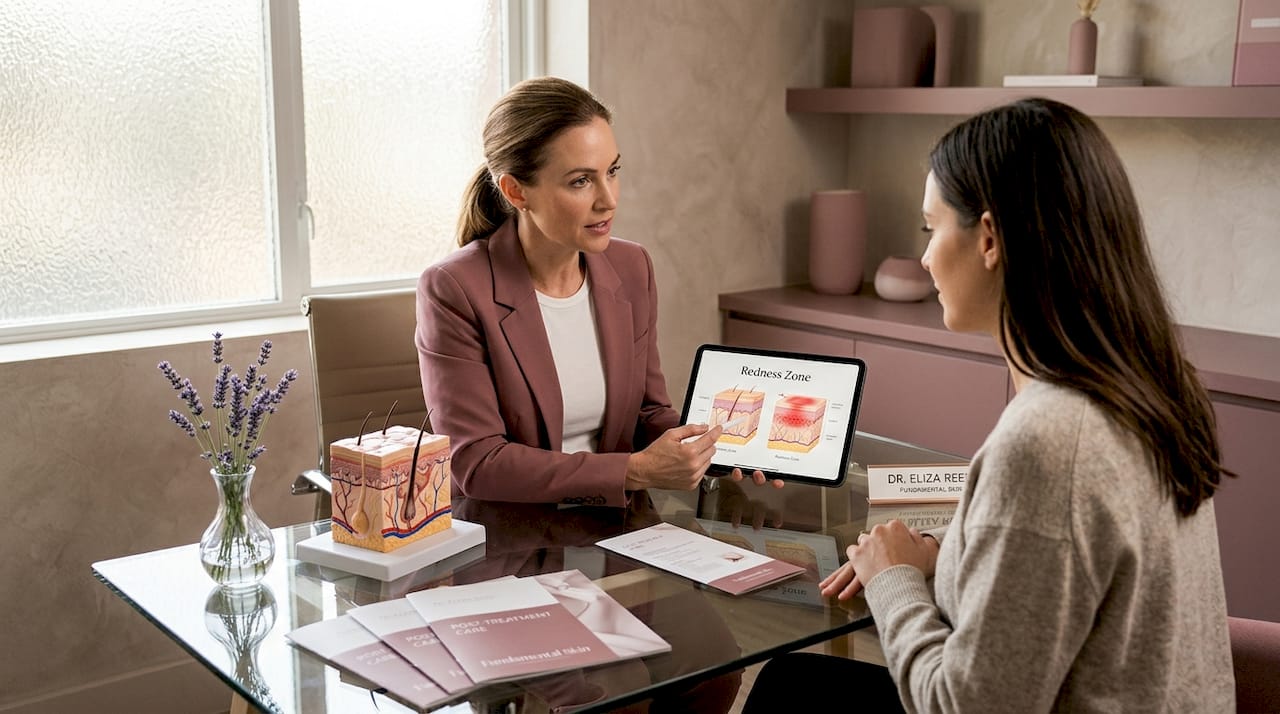
Post-treatment redness, clinically called erythema, is the visible result of your skin’s increased blood flow and inflammatory healing response to controlled injury. Understanding why redness after treatment occurs removes the anxiety from the recovery process and helps you care for your skin with confidence. Procedures like microneedling, laser resurfacing, and chemical peels all trigger this response intentionally. The redness you see is not damage. It is your skin actively repairing itself, and knowing the difference between normal healing and a warning sign is the most useful thing you can learn before any cosmetic procedure.
What causes skin redness after treatment?
Redness after cosmetic procedures is caused by vasodilation and immune activation in response to controlled skin injury. When a procedure creates micro-injuries, your body immediately sends blood to the area, widening small blood vessels to deliver immune cells, oxygen, and growth factors. That rush of blood is what you see as redness on the surface.
Different procedures trigger this response in different ways:
Microneedling creates hundreds of micro-channels in the dermis, initiating inflammatory cascades that signal collagen production and tissue repair.
Laser treatments deliver concentrated heat energy to targeted skin layers, inducing localized inflammation that drives cellular renewal.
Chemical peels use controlled acid application to remove the outer epidermal layer, triggering a healing response that includes visible redness and sometimes peeling.
Photodynamic therapy (PDT) activates mast cell signaling pathways, which contribute directly to redness, edema, and warmth in the treated area.
The severity of post-treatment skin irritation depends on two main factors: treatment intensity and your individual skin sensitivity. Deeper treatments produce greater inflammatory signaling and longer erythema. Practitioners who work with redness-prone skin adjust device settings and needle depth specifically to reduce adverse reactions without compromising results.
It is also worth understanding that not all post-treatment redness has the same cause. Erythema can result from irritation, allergic reactions, infection, or autoimmune responses, not just controlled inflammation. This is why self-diagnosing by color alone is unreliable. The pattern, timing, and accompanying symptoms tell the real story.
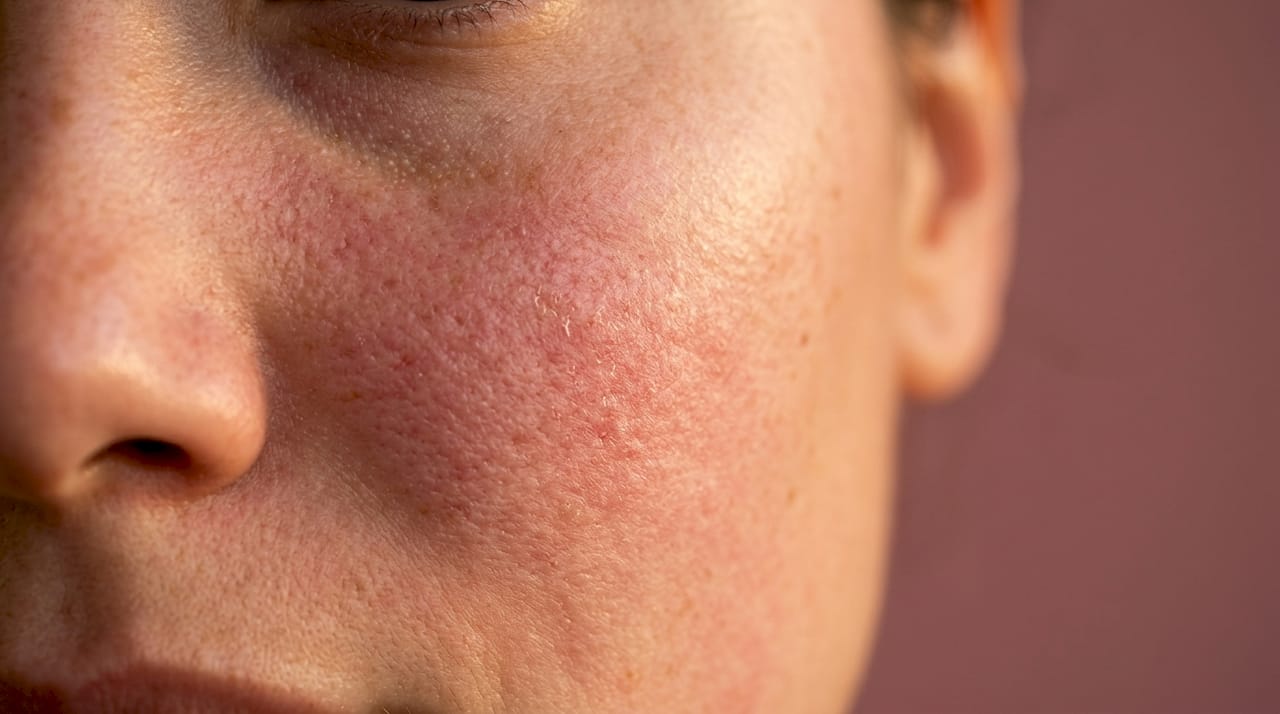
Pro Tip: If your skin tends to flush easily or you have a history of rosacea, tell your clinician before treatment. Adjusting parameters in advance is far more effective than managing a prolonged reaction afterward.
How long does post-treatment redness typically last?
Redness peaks within 24 hours post-treatment and generally resolves within one to three days for most standard procedures. This timeline reflects the natural progression of the inflammatory healing phase, which is the body’s first and most visible response to skin injury.
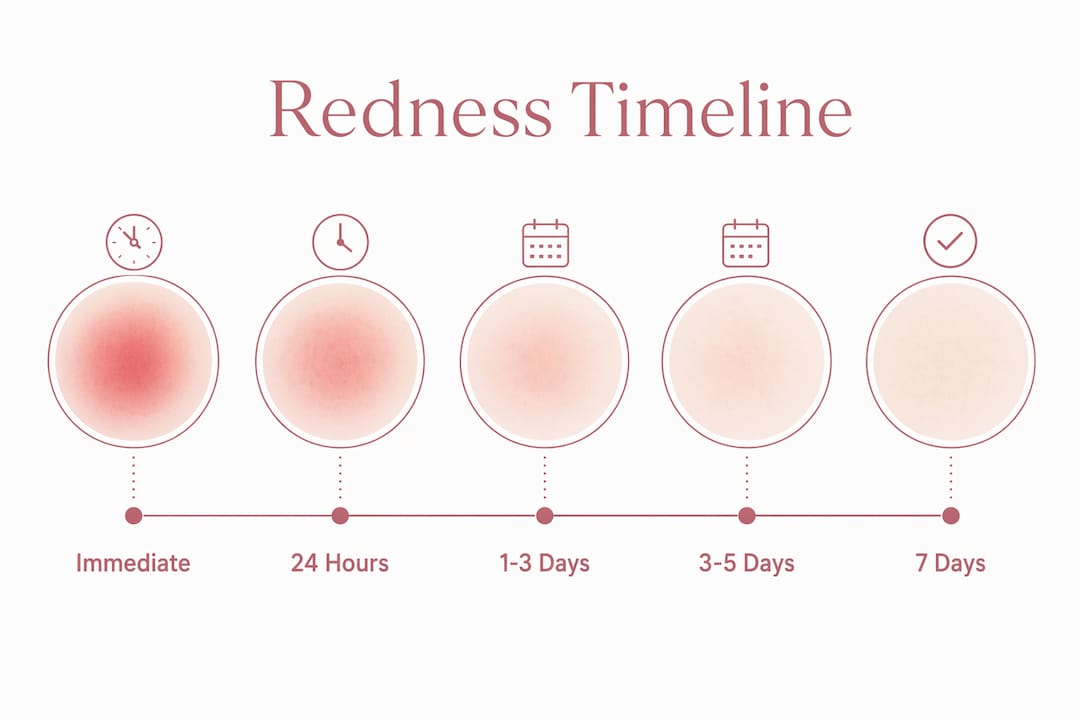
The table below outlines what to expect at each stage of recovery:
Healing phase | Timeframe | What you see |
Acute inflammation | Hours 0 to 24 | Bright redness, warmth, mild swelling |
Early repair | Days 1 to 3 | Fading redness, possible tightness or dryness |
Proliferative phase | Days 3 to 7 | Skin normalizes; peeling may occur with peels |
Remodeling | Weeks 1 to 4 | Gradual improvement in tone and texture |
The early inflammatory phase lasts approximately days zero to five, with increased vascular permeability causing visible redness and warmth. This is the phase most people find alarming, but it is also the phase where the most important repair work is happening beneath the surface.
Several factors influence how long your redness lasts. Treatment depth is the biggest variable. A superficial chemical peel may resolve in 24 to 48 hours, while a deeper laser resurfacing treatment can produce redness for five to seven days or longer. Skin type matters too. Lighter skin tones often show redness more visibly, while deeper skin tones may experience post-inflammatory pigmentation alongside redness. Combination therapies, such as microneedling paired with platelet-rich plasma (PRP), can extend the inflammatory phase due to additive biological activity.
Normal redness fades progressively each day. If your redness is still as intense on day three as it was on day one, or if it is spreading beyond the treated area, that pattern warrants attention.
How to tell normal redness from a complication
Normal post-procedure redness is even in color, confined to the treated area, and improves noticeably each day. The timing and evolving pattern of redness are the most reliable diagnostic tools you have at home.
Signs your redness is healing normally:
Redness appears immediately or within a few hours of treatment
Color is uniform across the treated zone
Warmth and mild swelling reduce within 24 to 48 hours
Skin feels tight or dry but not painful
Redness visibly fades each day without spreading
Warning signs that require prompt professional attention:
Increasing pain, spreading redness, blistering, or fever after the first 24 hours
Redness extending beyond the treated area
Pus, crusting, or open sores developing
Difficulty breathing or swelling of the lips and throat (signs of a severe allergic reaction)
Redness that worsens rather than fades after day two
Allergic reactions present differently from normal inflammation. They typically appear later, often 24 to 72 hours after product application, and come with itching, burning, hives, or swelling beyond the treated zone. Irritant reactions share some features with allergy but tend to appear faster and feel more like stinging or burning than itching.
Practitioners monitor redness duration and pattern to confirm controlled inflammation versus barrier disruption or product-induced irritation. If you are unsure which category your reaction falls into, contact your clinician rather than waiting. Early assessment prevents minor issues from becoming significant ones.
Practical steps to manage and reduce redness after treatment
Managing post-treatment redness is about supporting your skin’s natural repair process, not suppressing it. The goal is to reduce discomfort and protect the healing barrier without interfering with the inflammatory signals driving your results.
Apply a gentle, barrier-supportive moisturizer. Look for products containing ceramides, hyaluronic acid, or niacinamide. Avoid anything with retinol, AHAs, BHAs, or fragrance in the days immediately following treatment.
Protect your skin from the sun. UV exposure on freshly treated skin dramatically increases the risk of post-inflammatory pigmentation and prolongs redness. Use a mineral SPF 30 or higher every morning, even indoors near windows.
Use cold compresses for immediate relief. A clean cloth soaked in cool water applied gently to the skin reduces vasodilation and eases discomfort in the first 24 hours. Avoid ice directly on skin.
Consider red light therapy as a recovery support. Red light therapy uses specific wavelengths to reduce inflammation and accelerate cellular repair, making it a well-regarded adjunct treatment after procedures that cause redness.
Avoid layering products. Stick to the minimum: cleanser, moisturizer, and SPF. Adding serums, toners, or actives too soon is one of the most common reasons redness lingers longer than expected.
Stay in contact with your provider. Your clinician can recommend specific topical agents, adjust your next treatment parameters, or identify early signs of complications before they escalate.
Regarding mast cell activity: targeted antihistamine protocols can reduce redness without compromising therapeutic outcomes. For procedures like photodynamic therapy, pre-treatment antihistamines are sometimes recommended specifically to manage the inflammatory load.
Pro Tip: Switch to an organic skincare routine during your recovery window. Fewer synthetic ingredients means fewer variables that could trigger additional irritation on already-sensitized skin.
How redness compares across different cosmetic treatments
Not all procedures produce the same redness experience. Understanding how your specific treatment causes skin reactions helps you set realistic expectations and plan your recovery accordingly.
Treatment | Cause of redness | Typical duration | Intensity |
Microneedling | Micro-injuries triggering inflammatory cascade | 1 to 3 days | Mild to moderate |
Laser resurfacing | Heat-induced localized inflammation | 3 to 7 days | Moderate to intense |
Superficial chemical peel | Controlled epidermal acid injury | 1 to 2 days | Mild |
Medium-depth chemical peel | Deeper epidermal and dermal injury | 3 to 5 days | Moderate |
Photodynamic therapy | Mast cell activation and vascular response | 2 to 5 days | Moderate to intense |
Microneedling with PRP | Additive inflammatory effects | 2 to 4 days | Moderate |
The depth of injury and treatment methodology directly determines visible redness intensity and recovery time. A skilled clinician tailors parameters to your skin type, which is why the same laser treatment can produce dramatically different redness outcomes in two different people.
Device technology also plays a role. Fractional lasers, which treat only a fraction of the skin surface at once, produce less overall redness than fully ablative devices. Similarly, advanced skin device therapy using radiofrequency or LED-based systems tends to produce milder redness than ablative options, making them suitable for clients with lower downtime tolerance.
Combination therapies deserve special attention. When two procedures are performed in the same session, the inflammatory load is additive. This is not a problem when managed correctly, but it does mean your recovery timeline extends. Always ask your clinician what to expect when multiple modalities are combined.
Key takeaways
Post-treatment redness is a predictable, manageable inflammatory response that resolves within one to seven days depending on treatment depth, skin type, and aftercare quality.
Point | Details |
Redness is vasodilation | Increased blood flow to the treated area is the direct cause of visible redness after any cosmetic procedure. |
Timeline is treatment-dependent | Superficial peels resolve in 24 to 48 hours; deeper laser treatments may produce redness for up to seven days. |
Pattern reveals the cause | Normal redness fades daily and stays confined; spreading, worsening, or late-onset redness signals a complication. |
Aftercare determines recovery speed | Barrier-supportive moisturizers, sun protection, and avoiding actives are the three most effective recovery steps. |
Clinician communication matters | Reporting unusual symptoms early allows your provider to intervene before minor reactions become significant problems. |
What 15 years in treatment rooms has taught me about redness
I have seen hundreds of clients walk out of a treatment room looking in the mirror with that same expression. Mild panic. The redness is always more confronting in person than it sounds in a consultation. And I understand that completely.
Here is what I want you to know: redness is not your skin failing. It is your skin doing exactly what it is supposed to do. The inflammatory response is the mechanism behind every result you are hoping for. Collagen production, cellular renewal, pigmentation correction. None of it happens without that initial healing signal.
What I have also learned is that anxiety around redness is often worse than the redness itself. Clients who understand the biology stay calmer, follow their aftercare more consistently, and get better results. Education is genuinely part of the treatment.
The one thing I would push back on is the idea that more redness means better results. That is not always true. Prolonged or intense redness can indicate barrier disruption or an adverse reaction, not deeper healing. If something feels wrong, trust that instinct and call your clinician. You should never feel like you are overreacting by asking a question.
Individual healing varies more than most people expect. Age, skin health, stress levels, and even hydration on the day of treatment all influence your recovery. Patience and consistent aftercare are the two things within your control. Give your skin the time and support it needs, and it will reward you.
— Chevonne
Ready to treat your skin with confidence?
If you are managing redness after a recent procedure or looking for treatments designed with your skin’s recovery in mind, Fundamentalskin is here to help. Chevonne and the team specialize in personalized skin care for women dealing with redness, pigmentation, and sensitivity, using advanced technology paired with Australia-sourced organic ingredients.

The Biomimetic Peel + LED Therapy combines controlled skin renewal with LED light to support healing and reduce post-procedure redness. The RF Lift & Light Facial pairs radiofrequency with LED therapy for clients who want results with minimal downtime. Browse the full range of skin treatment services and book a consultation to receive a care plan tailored to your skin’s specific needs. Your skin deserves expert support at every stage of its healing.
FAQ
Why does my skin turn red immediately after a procedure?
Redness appears immediately because the procedure triggers vasodilation, widening small blood vessels to flood the area with immune cells and growth factors. This is the first stage of the inflammatory healing response and is completely normal.
How long does redness after laser treatment last?
Redness after laser treatment typically lasts three to seven days depending on the depth of the treatment and your skin type. Fractional or non-ablative lasers generally produce shorter recovery periods than fully ablative devices.
What is the difference between normal redness and an allergic reaction?
Normal post-treatment redness appears immediately, fades progressively each day, and stays within the treated area. An allergic reaction typically appears 24 to 72 hours later and includes itching, hives, or swelling beyond the treated zone.
Can I speed up the fading of post-treatment redness?
Yes. Applying a barrier-supportive moisturizer, using mineral SPF daily, avoiding actives like retinol and AHAs, and considering red light therapy as a recovery support all help redness resolve faster.
When should I contact my clinician about redness?
Contact your clinician if redness is increasing after the first 24 hours, spreading beyond the treated area, accompanied by pain, blistering, or fever, or if it shows no improvement by day three.
Recommended
Comments